




What F2P gacha red flags signal predatory monetization or poor value for players?
Understanding the Lure and the Trap of F2P Gacha
Free-to-play (F2P) gacha games have exploded in popularity, offering compelling gameplay, engaging characters, and the thrill of collecting rare items without an upfront cost. However, beneath the surface of many seemingly generous titles lies a complex web of monetization strategies, some of which can be highly predatory, coercing players into spending significant amounts of money or time for little value. Recognizing these red flags is crucial for players to protect their wallets and their enjoyment.
Exorbitant Gacha Rates and Punishing Pity Systems
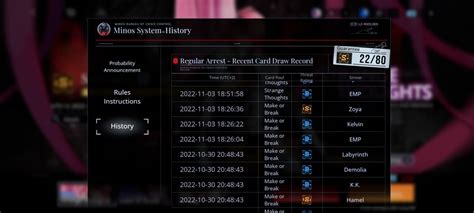
One of the most immediate indicators of a problematic gacha game is its summoning rates. If the probability of obtaining desired rare characters or items is excessively low (e.g., less than 1% for top-tier rewards), it often signals a game designed to frustrate rather than reward. Compounding this issue are poorly implemented ‘pity’ systems – mechanisms that guarantee a rare item after a certain number of failed pulls. A predatory pity system might require an astronomical number of pulls, making the ‘guarantee’ feel more like an inevitability of massive spending rather than a player-friendly safety net.
Aggressive and Constant Limited-Time Offers (FOMO)
Predatory gacha games excel at creating a sense of urgency and fear of missing out (FOMO). This is often manifested through a relentless barrage of limited-time offers, bundles, and character banners. These offers are frequently designed to appear as an incredible ‘value’ but are priced just high enough to encourage impulse buys. The constant rotation of ‘must-have’ items, often only available for a short window, pushes players to spend continuously rather than thoughtfully, preventing them from saving up free resources.
Escalating Power Creep and Rapid Obsoletion
A tell-tale sign of a game aiming for continuous spending is aggressive power creep. This occurs when newly released characters or items are significantly more powerful than existing ones, quickly rendering older units less effective or even obsolete. Players who invested heavily in previous content feel compelled to spend again to acquire the latest, most powerful options just to remain competitive or enjoy new content. This creates an endless cycle of needing to ‘keep up’ with the meta, effectively devaluing past investments.
Manipulative UI/UX and Confusing Currency Systems
Some games employ psychological tricks through their user interface (UI) and user experience (UX) design. This can include intentionally complex or multiple in-game currencies, making it difficult for players to accurately track the real-world value of their purchases. Another common tactic is the ‘near-miss’ animation during gacha pulls, where a desired item flashes briefly before the actual, less desirable reward is revealed, mimicking gambling mechanics to encourage more pulls. Furthermore, expensive bundles might be prominently displayed next to much cheaper, less valuable ones to make the expensive option seem comparatively reasonable.

Scarce Free Progression and Resource Time-Gates
While F2P games need monetization, a truly player-friendly title still offers viable avenues for free progression. A major red flag is when free-to-play options are intentionally throttled or made so tedious that they become unappealing. This includes extremely stingy handouts of premium currency, severe time-gates on essential resources, or content that is effectively impossible to clear without specific gacha units. When a game feels like it’s forcing you to pay just to play normally, it’s a clear sign of poor value for your time.
Conclusion: Play Smart, Play Safe
Navigating the F2P gacha landscape requires vigilance. By recognizing these red flags – such as abysmal rates, aggressive FOMO, rapid power creep, manipulative design, and stifled free progression – players can make informed decisions. Prioritize games that respect your time and money, offer transparent systems, and provide genuine enjoyment without constantly pressuring you to spend. Your gaming experience should be fun and rewarding, not a constant battle against predatory monetization.