




How to avoid shovelware and consistently pick quality indie hidden gems?

Navigating the Indie Game Landscape
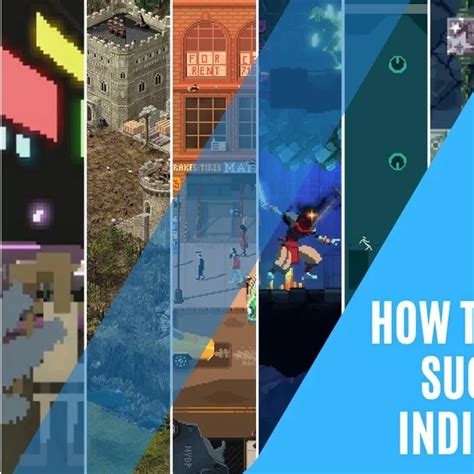
The independent game development scene is a vibrant, innovative, and incredibly fertile ground for unique experiences. From pixel-art throwbacks to cutting-edge narrative adventures, indie games often push boundaries that larger studios, bound by commercial pressures, shy away from. However, this democratic accessibility also means the market is flooded with thousands of titles annually, making it increasingly challenging to differentiate genuine quality from what’s commonly referred to as ‘shovelware’ – low-effort, low-quality games designed to capitalize on trends or simply exist without offering real value.
For many gamers, the allure of an ‘indie hidden gem’ is powerful. It’s the thrill of discovery, of playing something truly special before it hits mainstream recognition. But how do you consistently unearth these treasures without wasting countless hours and dollars on disappointing titles? This guide will equip you with a robust strategy to navigate the indie landscape effectively.

Identifying and Avoiding Shovelware
Before you can find the gems, you need to understand what constitutes shovelware. These games often share common characteristics: generic titles, stock assets, repetitive gameplay, poor optimization, lack of polish, and a general sense of being rushed or incomplete. They frequently appear on digital storefronts shortly after a major trend emerges, aiming to ride the hype without genuine innovation.
Key Red Flags:
- Generic Storefront Pages: Vague descriptions, few screenshots, or low-quality images.
- Copied Assets: Recognizing commonly used Unity Store or Unreal Marketplace assets without significant unique integration.
- Sparse Developer Information: No previous games, unknown studio, or a lack of transparent communication.
- Suspicious Reviews: Many short, generic positive reviews, especially right after launch, often from new accounts.
- Lack of Community: No active social media, Discord server, or forums dedicated to the game.
Strategic Research: Your Best Defense
The most effective tool against shovelware is thorough research. Don’t be swayed by flashy trailers alone; dig deeper.
Leverage Diverse Review Sources:
- Reputable Critics: Follow professional game journalists and publications known for their indie coverage. They often have early access and a critical eye for quality.
- User Reviews: While helpful, be cautious. Look for detailed reviews that explain *why* a game is good or bad, rather than just a score. Filter by ‘most helpful’ or ‘recent’ to get a balanced view. Pay attention to playtimes – a reviewer with 0.5 hours might not have a full grasp of the game.
- Curator Lists: Steam curators and similar systems can be excellent, provided you follow curators whose tastes align with yours and who provide insightful commentary.
Watch Extensive Gameplay:
Trailers are designed to sell. Real gameplay footage, especially ‘Let’s Play’ videos from honest YouTubers or Twitch streamers, offers a more accurate representation. Look for at least 15-30 minutes of unedited gameplay to get a feel for mechanics, pacing, and overall polish.

Vetting the Developers
A good game often comes from a good developer. A little background check can go a long way.
- Developer’s Track Record: Have they released other games? Are those games well-received? A history of quality titles is a strong indicator. Even if it’s their first game, look for signs of passion and dedication in their past projects (e.g., game jam entries).
- Community Engagement: Are the developers active on social media, Discord, or their game’s forums? Do they respond to feedback, report bugs, and share development updates? A transparent and communicative team is usually a sign of a committed project.
- Project Scope vs. Team Size: Be wary of small teams promising impossibly ambitious projects without a clear roadmap or sufficient funding. Realistic scope is key to a polished final product.
Demos, Early Access, and Wishlists
Digital storefronts offer several mechanisms to test the waters before committing.
- Play Demos: This is arguably the most critical step. A demo allows you to experience the core gameplay, graphics, and mechanics firsthand. If a developer isn’t confident enough to offer a demo, that’s often a red flag.
- Approach Early Access with Caution: Early Access can be a great way to support promising projects and influence development. However, many Early Access games never reach full release or fail to deliver on promises. Only invest if you’re comfortable with the current state of the game, not just its future potential, and if the developer has a solid update history.
- Utilize Wishlists: Add games that pique your interest to your wishlist. This not only notifies you of sales but also allows time for more reviews to come in and for the game to mature, particularly if it’s an Early Access title.

Beyond the Mainstream: Niche Discovery
Sometimes, the best gems are found off the beaten path.
- Follow Niche Curators and Content Creators: Find YouTubers, Twitch streamers, or bloggers who specialize in the specific genres of indie games you love. Their recommendations can be invaluable.
- Explore Itch.io and Game Jams: Platforms like Itch.io host countless experimental and innovative games, often born from game jams. While quality varies wildly, it’s a hotbed for genuinely unique concepts. Many popular indies started here.
- Look for Bundles: Humble Bundle and similar services often offer curated selections of indie games. These are a low-risk way to try multiple titles, sometimes unearthing a gem you wouldn’t have considered otherwise.

Trust Your Gut and Embrace the Hunt
Ultimately, taste is subjective. Even with all the tools and strategies, some games will simply resonate more with you than others. Pay attention to what draws you to specific games – is it the art style, the narrative, the gameplay loop? Understanding your own preferences will refine your search process.
Finding quality indie hidden gems is less about a single trick and more about cultivating a discerning eye and a strategic approach. By actively researching, vetting developers, leveraging demos, and exploring diverse discovery channels, you can significantly increase your chances of unearthing those truly special, unforgettable experiences that make the indie game scene so rewarding.