




Effective strategies for setting screen time limits & choosing age-appropriate games?
Navigating the Digital Playground: Setting Screen Time Limits
In today’s digitally saturated world, screens are an undeniable part of children’s lives. From educational apps to entertaining games, digital media offers a wealth of experiences. However, managing screen time effectively and ensuring children engage with suitable content are two of the most significant challenges parents face. This guide provides actionable strategies to help you strike a healthy balance.

Why Screen Time Limits Matter
Unrestricted screen time can impact children’s physical health, mental well-being, social development, and academic performance. Establishing clear boundaries helps children develop self-regulation, prioritize other activities, and maintain a healthier overall lifestyle.
Effective Strategies for Setting Screen Time Limits
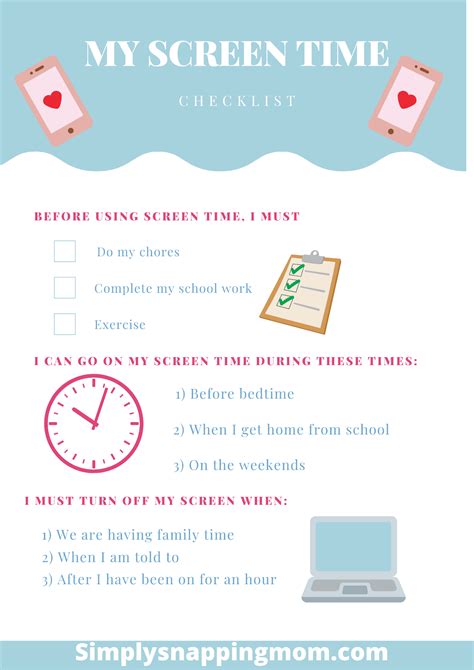
- Establish Clear, Consistent Rules: Work with your children to set clear rules about when, where, and for how long screens can be used. Post these rules in a visible place. Consistency is key to success.
- Use Timers and Parental Control Apps: Many devices and platforms offer built-in parental controls or third-party apps that can automatically enforce time limits. These tools can reduce conflict and help children understand boundaries.
- Create “Screen-Free” Zones and Times: Designate certain areas (e.g., bedrooms, dining tables) or times (e.g., mealtimes, an hour before bedtime) as completely screen-free. This promotes family interaction and better sleep hygiene.
- Encourage Alternative Activities: Ensure there are plenty of enticing alternatives to screen time. Board games, outdoor play, reading, creative arts, and sports can all provide engaging and valuable experiences.
- Lead by Example: Children are excellent imitators. Model healthy screen habits yourself by putting your phone away during family time and engaging in non-screen activities.
- Be Flexible and Re-evaluate: As children grow, their needs and interests change. Regularly review and adjust screen time limits based on their age, maturity, and specific circumstances.

Choosing Age-Appropriate Games: A Guide for Parents
The world of video games is vast and diverse. While many games offer educational benefits, problem-solving opportunities, and social interaction, others may contain content unsuitable for younger audiences. Making informed choices is crucial for protecting children and enhancing their gaming experience.
Understanding Game Ratings
Game rating systems are your first line of defense. The most common systems include:
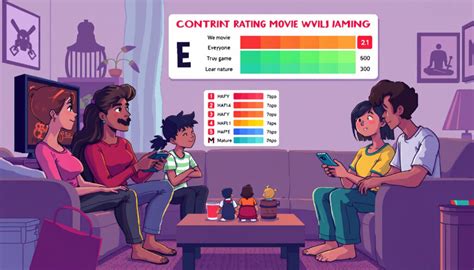
- ESRB (Entertainment Software Rating Board) in North America: Ratings like E (Everyone), E10+ (Everyone 10+), T (Teen), M (Mature 17+), and AO (Adults Only 18+) provide age guidance. Crucially, they also include ‘Content Descriptors’ explaining why a game received its rating (e.g., “Fantasy Violence,” “Mild Language”).
- PEGI (Pan European Game Information) in Europe: Similar to ESRB, PEGI uses age labels (3, 7, 12, 16, 18) and ‘Content Descriptors’ for violence, bad language, fear, sex, drugs, gambling, discrimination, and in-game purchases.
Always check both the age rating and the content descriptors before purchasing or allowing a new game.

Beyond the Ratings: Deeper Considerations
- Research and Reviews: Don’t rely solely on the rating. Read reviews from trusted parenting sites, watch gameplay videos on platforms like YouTube (previewing them first), and ask other parents for recommendations.
- Play Together: The best way to understand a game is to play it with your child. This allows you to observe the content firsthand, discuss any concerns, and bond over a shared activity.
- Consider Educational Value and Skills: Many games foster critical thinking, problem-solving, creativity, and teamwork. Look for games that offer more than just entertainment, but avoid forcing “educational” games if your child isn’t interested; sometimes fun games can also teach.
- Assess In-Game Purchases and Online Interaction: Be aware of games that feature microtransactions (in-app purchases) or allow unmoderated online interaction with strangers. Discuss these risks with your child and set clear rules.
Fostering a Balanced Digital Lifestyle
The goal isn’t to eliminate screens, but to integrate them mindfully into your family’s life. By implementing clear screen time limits and making informed choices about games, you empower your children to develop healthy digital habits, explore engaging content safely, and thrive in both their online and offline worlds.