




How can F2P players identify & resist predatory gacha spending mechanics?

The Allure and The Trap: Navigating Gacha as F2P
Free-to-play (F2P) games offer an incredible gateway to entertainment without an upfront cost. Gacha games, a prominent subgenre, take this a step further by offering engaging gameplay loops, compelling characters, and a constant stream of new content. However, beneath the surface of free access lies a complex system of monetization designed to encourage spending, often employing predatory mechanics that can ensnare even the most disciplined players.
For F2P players, understanding these mechanics isn’t just about saving money; it’s about preserving the joy of gaming and protecting oneself from manipulative design. This guide will equip you with the knowledge to identify common predatory tactics and build robust strategies to resist them, ensuring you can enjoy your favorite gacha titles without falling into financial pitfalls.
Understanding Predatory Gacha Mechanics
Predatory gacha mechanics are designed to exploit psychological biases and create artificial scarcity or urgency. Recognizing these tactics is the first step toward resistance.
- Sunk Cost Fallacy: The more time, effort, or even a small amount of money you invest, the harder it is to quit, even if the game becomes less enjoyable or more demanding.
- Fear of Missing Out (FOMO): Limited-time banners, exclusive characters, and seasonal events create anxiety that if you don’t spend now, you’ll miss out on something valuable forever.
- False Scarcity: While certain items are genuinely rare, games often artificially inflate their perceived value or make necessary progression items seem scarce to push spending.
- Variable Reward Schedule: Drawing from slot machine psychology, the unpredictable nature of gacha pulls (sometimes you win big, sometimes you don’t) is highly addictive.
- Whale Hunting: The monetization model often relies on a small percentage of high-spending players (“whales”). Game design can subtly push players towards becoming whales through increasing difficulty or desirable power spikes.

Red Flags: Identifying Manipulation in Gacha Games
As you play, keep an eye out for these tell-tale signs that a game might be employing predatory tactics:
- Constant Limited-Time Offers: If new “must-have” banners, bundles, or events are introduced almost daily or weekly, it’s a clear sign of FOMO exploitation.
- Confusing Currency Systems: Multiple layers of premium currencies, often with awkward exchange rates, make it difficult to track real money spending and evaluate value.
- Significant Difficulty Spikes for F2P: Content designed to be unreasonably difficult unless you possess specific, rare units (often behind gacha banners) is a strong indicator.
- “Pity” Systems that Reset: While a pity system guarantees a rare item after a certain number of pulls, if this count resets for every new banner, it’s less player-friendly.
- Lack of F2P Viability: If the game consistently makes it impossible for F2P players to clear content, compete, or enjoy new features without specific gacha pulls, it’s designed to push spending.
- Emotional Manipulation: Storylines or character designs that heavily rely on making players feel strong attachment or obligation to “save” or “acquire” characters can be manipulative.

Strategies for Resistance & Self-Protection
Knowledge is power, but practical strategies are your shield. Here’s how F2P players can resist predatory gacha mechanics:
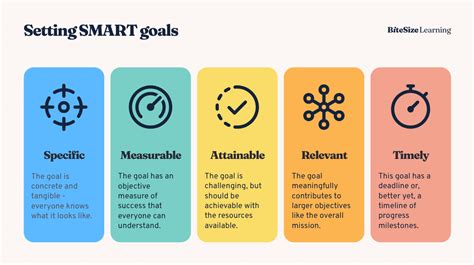
- Set Strict Budgets (Even if Zero): Decide upfront how much, if anything, you will spend. For F2P, this budget is always zero. Stick to it rigidly.
- Research & Plan: Before committing to a game, research its F2P friendliness. Look for content creators who focus on F2P guides. Plan your in-game currency usage for specific, high-value banners.
- Identify Your “Why”: Understand what you enjoy about the game. Is it the story, the characters, the gameplay, or simply collecting? Focus on that “why” rather than chasing meta units.
- Embrace “Good Enough”: You don’t need the absolute best, rarest unit to enjoy or even succeed in most F2P-friendly games. Often, “free” or easily obtainable units can clear content with proper strategy.
- Time > Money: Recognize that many gacha games offer ways to earn premium currency or rare items through grinding. If you have the time, use it instead of money.
- Avoid “Just One More Pull” Thinking: This is a classic trap. If you’ve hit your internal limit (or if you’re F2P, if you’ve used your free currency), stop.
Cultivating an F2P Mindset for Enjoyment
Beyond specific tactics, adopting the right mindset is crucial for long-term F2P success and enjoyment:
- Celebrate Small Victories: Focus on clearing a tough stage, getting a decent free pull, or optimizing your current team, rather than comparing yourself to big spenders.
- Value Your Time: While some grinding is necessary, be mindful if the game demands an excessive amount of your time just to keep up. Your time is valuable.
- Engage with F2P Communities: Join online forums, Discord servers, or subreddits dedicated to F2P players of your chosen game. Share strategies, get advice, and find solidarity.
- Rotate Games: If one game feels overly demanding or tempting, step away and try another. There are countless F2P options available.
- Understand RNG: Random Number Generation is a core part of gacha. Accept that you won’t always get what you want, and that’s okay. Your enjoyment shouldn’t hinge on a single roll.

When to Walk Away: Prioritizing Your Well-being
Sometimes, despite your best efforts, a gacha game might become too predatory, too demanding, or simply stop being fun. Recognizing when it’s time to walk away is perhaps the most powerful resistance strategy of all.
If you find yourself feeling pressured, frustrated, or anxious rather than entertained, or if the game constantly pushes you to break your F2P commitment, it might be time for a break or to uninstall entirely. Your mental and financial well-being are far more important than any virtual item.

Conclusion
Gacha games can offer immense enjoyment for F2P players, but they require vigilance and strategic thinking. By understanding the underlying predatory mechanics, identifying red flags, and implementing robust self-protection strategies, you can navigate these games successfully. Remember, your power as an F2P player lies in your ability to choose how and when you engage, ensuring your gaming experience remains free, fun, and fulfilling, not a source of financial stress.