


How to find cozy family games balancing skill levels and fun for everyone?

The Quest for Universal Family Fun
Family game nights are cherished traditions, offering a fantastic opportunity for connection, laughter, and shared experiences. However, the dream of a perfectly balanced game night can often be disrupted by disparate skill levels. Finding a game that genuinely engages a five-year-old, a teenager, and a grandparent without anyone feeling bored or overwhelmed is a common challenge. The key lies in understanding what makes a game truly ‘cozy’ and universally enjoyable, focusing on accessibility, interaction, and shared moments over competitive intensity.

Understanding Your Family’s Gaming DNA
Before diving into game recommendations, take a moment to assess your family’s unique dynamics. What are the age ranges? What are individual preferences? Do some family members prefer strategy, while others lean towards creativity or luck? Acknowledging these differences is the first step towards successful game selection. Don’t be afraid to ask for input from everyone; even younger children can often express what kind of activities they enjoy most.
Key Considerations:
- Age Range: This is perhaps the most significant factor. Games designed for adults might frustrate younger players, while overly simplistic games can bore older ones. Look for games with a broad recommended age range.
- Skill Levels: Some family members might be seasoned strategists, others casual players. Games that allow for varying levels of engagement or offer a handicap system can be invaluable.
- Patience and Attention Spans: Younger children or those new to gaming may have shorter attention spans. Opt for games with shorter playtimes or natural breakpoints.
- Themes and Interest: Does your family love fantasy, animals, abstract puzzles, or storytelling? A compelling theme can draw everyone in, regardless of skill.
Strategies for Balancing Skill and Fun
Once you have a clearer picture of your family’s gaming DNA, you can employ specific strategies to bridge skill gaps and maximize fun for all.
1. Embrace Cooperative Games
Cooperative games are a game-changer for family fun. Instead of competing against each other, everyone works together against the game itself. This eliminates individual pressure, fosters teamwork, and ensures that everyone feels like a valuable contributor. Examples include Pandemic (junior versions are great for families), Forbidden Island, or Mysterium.

2. Games with a High Element of Luck
Games where luck plays a significant role can level the playing field, giving younger or less experienced players a chance to win against more seasoned competitors. While pure luck can sometimes feel unsatisfying, a balanced mix of luck and simple strategy (like in Ticket to Ride or King of Tokyo) can keep everyone engaged and hopeful.
3. Simple Rules, Deep Play
Look for games that are easy to learn but offer layers of strategic depth for those who want to explore it. This allows casual players to enjoy the basics while more experienced players can delve into optimal moves. Classics like Carcassonne or Dominion (with some careful card selection) fit this description.
4. Team-Based Games
Dividing into teams can balance skill levels by pairing experienced players with less experienced ones. This allows for mentoring and shared responsibility, making the game more approachable for everyone. Party games like Codenames or charades often work wonderfully in teams.

5. Games with Adjustable Difficulty or Handicaps
Some games inherently offer ways to adjust difficulty. This could be through variants, house rules, or built-in handicap systems. For instance, in some racing games, less experienced players might start closer to the finish line, or in card games, they might draw an extra card.
Top Picks for Cozy Family Fun (Examples to Explore)
While the perfect game is subjective, here are a few categories and examples that often hit the mark for balancing skill and fun:
- Storytelling Games: Dixit, Rory’s Story Cubes. These games thrive on creativity and imagination, making skill differences irrelevant.
- Dexterity Games: Jenga, Concept, Suspend. Physical skill and a steady hand can be equally challenging and fun for all ages.
- Gateway Strategy Games: Ticket to Ride, Carcassonne, Sushi Go!. Easy to learn, engaging strategy that scales well.
- Party Games: Telestrations, Pictionary, Just One. Focus on laughter and interaction over winning.
- Cooperative Adventures: Outfoxed!, Hoot Owl Hoot! (for younger kids), Forbidden Island. Work together, win together!
Creating the Perfect Game Night Atmosphere
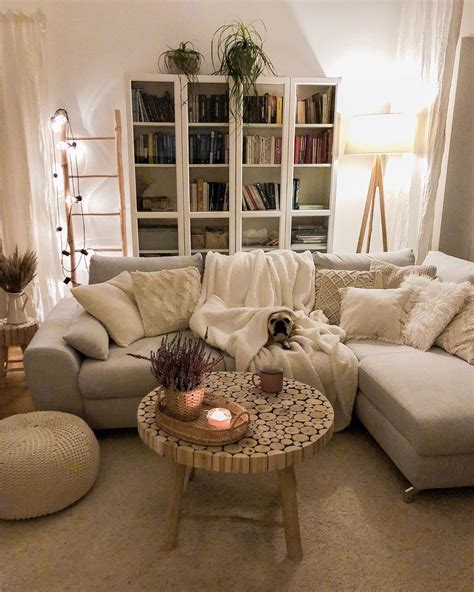
Beyond the game itself, the environment and mindset are crucial for a cozy family game night. Ensure snacks are handy, the lighting is warm, and the focus is on spending quality time together, rather than purely on winning. Remind everyone that the goal is fun, not flawless strategy. Encourage patience, celebrate good moves from everyone, and most importantly, enjoy the precious moments of togetherness that only a shared game can bring.
Finding that sweet spot for cozy family games might take a little trial and error, but with these strategies and a willingness to explore, you’re well on your way to creating memorable and universally enjoyable game nights for your entire family.