




How to craft game beginner guides that effectively combat new player overwhelm?
Understanding the New Player Experience: The Challenge of Overwhelm
For many gamers, the thrill of diving into a new world or an intricate system can quickly turn into a frustrating maze. Modern games, rich in features and mechanics, often present a steep learning curve that can overwhelm new players, leading to early abandonment. Combatting this initial overwhelm is crucial, as the first few hours with a game often dictate whether a player will stick around or move on. An effective beginner guide isn’t just a list of instructions; it’s a carefully designed bridge that safely transports a novice from confusion to confident engagement.
The goal isn’t to dumb down the game, but to reveal its depth progressively, allowing players to build foundational knowledge before grappling with advanced strategies. Overwhelm typically stems from a deluge of information, unfamiliar jargon, and too many choices presented all at once. Crafting a guide that anticipates these pain points is the first step towards a successful onboarding experience.

Core Principles for Effective Beginner Guides
To truly combat new player overwhelm, your guides must adhere to several key principles that prioritize clarity, pacing, and player retention.
Prioritize and Simplify Information
Identify the absolute minimum a player needs to know to perform the core gameplay loop and experience initial success. Distinguish between ‘need-to-know’ and ‘nice-to-know’ information, presenting the former upfront and deferring the latter. Simplify complex concepts using straightforward language, avoiding unnecessary jargon or explaining it clearly when introduced.
Chunking Information into Digestible Segments
Break down large topics into smaller, manageable chunks. Utilize headings, subheadings, bullet points, and numbered lists to make the guide scannable. Each segment should ideally focus on one concept or a small set of related mechanics, preventing cognitive overload and making the learning process feel less daunting.

Leverage Visual Aids and Examples
Humans are highly visual learners. Incorporate screenshots, diagrams, and simple illustrations to demonstrate concepts rather than just describing them. A well-placed image showing a UI element or a specific action can clarify more than paragraphs of text. Examples of gameplay scenarios or common situations also help new players contextualize information.
Gradual Introduction of Mechanics
Resist the urge to dump all game mechanics at once. Introduce core systems first, such as movement, basic combat, or primary resource gathering. As the player progresses and demonstrates understanding, then layer on more complex features, advanced skills, or strategic depth. This progressive unveiling fosters a sense of accomplishment rather than frustration.
Encourage Interactivity and Practice
The best guides don’t just tell; they show and enable practice. Where possible, integrate interactive elements or suggest small, guided practice sessions within the game itself. Learning by doing solidifies understanding far more effectively than passive reading. This could involve suggesting a mini-quest, a specific challenge, or simply prompting the player to try out a newly explained ability.

Structuring Your Guide for Maximum Impact
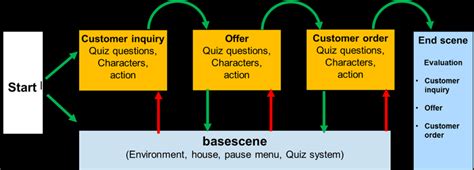
The architecture of your beginner guide is just as important as its content. A logical flow ensures players can navigate and absorb information efficiently.
- Start with the Absolute Basics: Begin with fundamental controls (movement, camera), basic UI elements, and the primary objective or interaction of the game.
- Explain the Core Gameplay Loop: Clearly articulate what a player will be doing repeatedly. Is it explore-gather-craft? Attack-defend-upgrade? Understanding this loop provides purpose.
- Address Common Pain Points: Anticipate where new players might struggle and proactively provide solutions or clarifications. This shows empathy and reduces frustration.
- Provide Context and ‘Why’: Don’t just explain ‘how’ to do something, but ‘why’ it’s important or beneficial within the game’s systems.
- Build a Progression Path: Structure the guide to follow a natural learning curve, from simple to complex, allowing players to build skills incrementally.
Tips for Crafting Engaging and User-Friendly Content
- Use an Encouraging Tone: A friendly, supportive tone can make a big difference, especially when players are feeling lost.
- Employ Real-World Analogies: If applicable, relate game mechanics to familiar real-world concepts to make them more intuitive.
- Keep it Concise: Avoid lengthy paragraphs. Get straight to the point. Players are often looking for quick answers.
- Include a ‘What’s Next’ Section: After covering the basics, suggest next steps or point to resources for more advanced learning, fostering continued engagement.
- Test with Actual Beginners: The most crucial step. Have people entirely new to your game (or genre) go through your guide. Observe where they get stuck, what they misunderstand, and what questions they ask. Use this feedback to iterate and improve.
![How Does Iterative Testing Help Build Better Products [+Examples]](/images/aHR0cHM6Ly90czEubW0uYmluZy5uZXQvdGg/aWQ9T0lQLlRqUWpFS21kMFBwckNMOUxMWi1YbmdIYUUyJnBpZD0xNS4x.webp)
Conclusion: The Foundation of Player Retention
Crafting exceptional beginner guides is an investment in your game’s success. By thoughtfully segmenting information, prioritizing clarity, embracing visual learning, and encouraging active participation, you can transform a potentially overwhelming experience into an inviting and enjoyable journey. A well-designed guide not only smooths the onboarding process but also lays a strong foundation for long-term player engagement and satisfaction. When new players feel empowered rather than inundated, they’re far more likely to explore the full depth of what your game has to offer.