




How to guide kids to age-appropriate games & manage screen time?

Navigating the Digital Playground: A Parent’s Guide
In today’s digitally saturated world, screens are an undeniable part of children’s lives. While offering vast opportunities for learning and entertainment, the challenge for parents lies in steering their kids towards games that are beneficial and age-appropriate, all while maintaining healthy screen time limits. This guide offers practical strategies to help you confidently navigate this digital landscape.
Understanding Age-Appropriate Games
The first step in guiding your child’s gaming choices is understanding what constitutes ‘age-appropriate.’ This isn’t just about violence or mature themes; it also encompasses cognitive complexity, gameplay mechanics, and educational value.
Leveraging Rating Systems
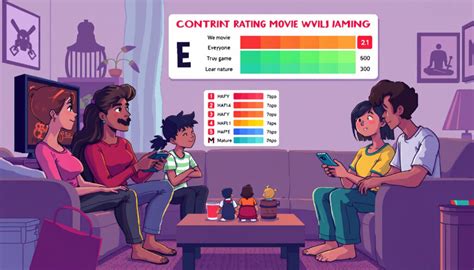
Organizations like the Entertainment Software Rating Board (ESRB) in North America and Pan European Game Information (PEGI) in Europe provide valuable age ratings and content descriptors. Always check these ratings before allowing your child to play a new game. They offer insights into elements like fantasy violence, mild language, or in-game purchases.
Beyond official ratings, consider your child’s unique developmental stage. A game rated E for Everyone might still be too complex for a very young child, while a T for Teen game could be acceptable for a mature 12-year-old under supervision.

Strategies for Guiding Game Choices
Active involvement from parents is crucial in helping children make informed decisions about their digital entertainment.
Research and Review Together
Before a new game enters your home, do your homework. Watch gameplay videos, read reviews from other parents, and understand the game’s objectives and mechanics. Better yet, involve your child in this research. Discuss why certain games might be a good fit and others might not, fostering critical thinking.
Utilize Parental Controls
Most gaming consoles, smartphones, tablets, and even individual apps offer robust parental control settings. These tools allow you to restrict access to certain games by rating, limit in-app purchases, manage friend requests, and even set time limits directly on the device. Familiarize yourself with these features and use them proactively.
Consider playing games with your child. This not only gives you direct insight into the content and gameplay but also provides an excellent opportunity for bonding. You can guide them, discuss in-game decisions, and understand their interests better.
Effective Screen Time Management
Beyond content, managing the amount of time spent on screens is equally important for a child’s overall well-being.

Establish Clear Rules and Routines
Work with your children to set clear, consistent rules for screen time. This could include designated times for gaming, a maximum daily or weekly limit, and rules about when screens are off-limits (e.g., during meals, before bed, or until homework is done). Post these rules in a visible place.
Use Timers and Parental Control Apps
Physical kitchen timers or integrated parental control apps can be invaluable tools for enforcing time limits. When the timer goes off, the screen time is over – no exceptions. This helps children develop self-regulation and understand boundaries.

Encourage Diverse Activities
Ensure screen time doesn’t displace essential activities like outdoor play, reading, creative arts, family time, and sleep. Offer appealing alternatives and encourage a variety of interests. A balanced routine ensures children develop holistically.
Lead by Example
Children are keen observers. Your own screen habits will significantly influence theirs. Be mindful of your own phone usage, especially during family time. Demonstrate that there’s a world beyond screens and that downtime can be productive and engaging in other ways.

Open Communication and Flexibility
As children grow, their interests and developmental needs change. Maintain an open dialogue about games and screen time. Be prepared to adjust rules and expectations as they mature, ensuring that boundaries remain relevant and fair. Teach them media literacy skills, helping them understand how games are designed and how to evaluate content critically.
Conclusion
Guiding children to age-appropriate games and managing screen time effectively is an ongoing process that requires patience, consistency, and active involvement. By understanding ratings, utilizing parental controls, fostering open communication, and modeling healthy habits, you can empower your children to enjoy the digital world responsibly and beneficially. The goal is not to eliminate screens, but to cultivate a balanced and enriching digital experience.