



What F2P gacha red flags signal predatory monetization before you invest hours?

The Allure of Free-to-Play: A Double-Edged Sword
Free-to-play (F2P) gacha games have become a dominant force in mobile and even PC gaming, offering instant gratification with no upfront cost. Millions are drawn in by polished graphics, engaging gameplay loops, and the thrill of collecting powerful characters or rare items. However, beneath the surface of many F2P titles lies a carefully crafted monetization strategy, some of which can be aggressive, deceptive, and downright predatory. Before you pour countless hours and potentially significant cash into a new gacha game, knowing how to spot these red flags is crucial.

Gacha System Design: Where Transparency Goes to Die
The core of a gacha game is its randomized reward system, akin to a Japanese capsule toy machine. While not inherently bad, certain design choices signal predatory intent:
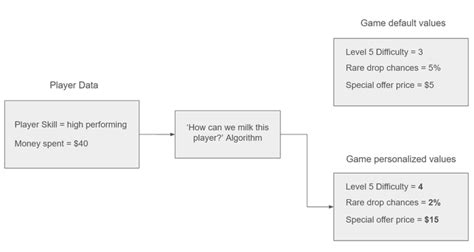
- Abysmally Low Drop Rates: If the chances of acquiring the rarest characters or items are less than 1% (sometimes even 0.1% or lower), especially without a clear pity system, it’s a massive red flag. This encourages endless pulling.
- Convoluted Currencies: Games with multiple layers of premium currencies (e.g., gems, special tickets, paid-only currency) make it difficult to track spending and value, often pushing players towards inefficient purchases.
- Lack of a Pity System or Sparking: A ‘pity’ system guarantees a rare item after a certain number of pulls. If a game lacks this, or if the pity count resets frequently, it means you could theoretically spend indefinitely without getting what you want. ‘Sparking,’ or letting players choose a specific character after many pulls, is also a positive sign often missing in predatory titles.
- Banner Splitting/Weapon Banners: Often, a character will be on one gacha banner, and their essential weapon or artifact set will be on another, forcing players to pull on multiple, expensive banners to make a single unit viable.

Pressure Tactics and FOMO (Fear of Missing Out)
Predatory games excel at creating artificial scarcity and urgency to encourage spending:
- Aggressive Limited-Time Offers: Constant pop-ups, countdown timers, and ‘limited-time’ bundles that are only available for a few hours create impulse spending. These deals often aren’t as good as they seem.
- Severe Power Creep: New characters or items quickly render previous ones obsolete, making players feel compelled to continuously pull for the latest meta units just to keep up with content or stay competitive.
- Event-Locked Progression: Key materials, character ascension items, or even story segments are locked behind limited-time events, forcing players to spend premium currency to refresh stamina or purchase boosts to complete them.
- Pay-to-Win Gating: PvP modes or late-game content become virtually impossible without top-tier, gacha-exclusive units or substantial investment, making free players feel like second-class citizens.
Engagement and Retention Traps
Beyond the gacha itself, how a game tries to keep you playing and spending can reveal its true intentions:
- Excessive Grind Walls: The game demands an unreasonable amount of repetitive grinding for basic progression, which can only be significantly sped up by spending money on stamina refills or resource packs.
- Energy/Stamina Systems: While common, highly restrictive energy systems that replenish slowly and are required for almost all gameplay activities are designed to make you either wait excessively or pay to play more.
- Aggressive Push Notifications: Constant notifications about dwindling event times, new bundles, or characters you ‘almost have’ are designed to pull you back into the game and tempt you to spend.
- Unbalanced Content: Content that is either mind-numbingly easy for paying players or frustratingly difficult for F2P players creates an artificial gap that encourages spending to bridge.

Transparency and Communication Red Flags
How a developer communicates with its player base is telling:
- Vague or Misleading Descriptions: Gacha rates, item descriptions, or event requirements are unclear, making it hard for players to make informed decisions about their spending.
- Poor Customer Service: Unresponsive or unhelpful customer support when issues arise, especially concerning purchases or account problems, indicates a lack of respect for the player base.
- Ignoring Community Feedback: While not every suggestion can be implemented, a complete disregard for widespread community concerns about monetization or game balance is a sign that profits are prioritized over player satisfaction.
- Hidden Costs: Features like expensive monthly passes that are essential for long-term viability, or bundles that seem cheap but are designed to funnel players into larger purchases.

Play Smart, Not Exploited
Understanding these red flags empowers you to make informed decisions about which F2P gacha games deserve your time and money. While many games offer enjoyable experiences without being predatory, a critical eye can save you from financial regret and a feeling of exploitation. Always research, read reviews, watch gameplay, and observe how the game treats its free and paying players before fully committing. Your entertainment should be a choice, not a compulsion driven by manipulative design.