




How to set screen time limits for kids’ gaming without daily arguments?

The allure of video games is powerful, captivating children and offering immersive worlds of adventure and competition. For parents, however, this digital pull often translates into a daily tug-of-war over screen time, leading to frustration and incessant arguments. The good news is that setting effective screen time limits for gaming doesn’t have to be a battleground. With a strategic approach, clear communication, and consistent boundaries, you can guide your children towards healthy digital habits and reclaim family harmony.
Understand the “Why” Behind the Limits
Before implementing any rules, it’s crucial for both you and your children to understand why limits are necessary. Explain the benefits of balanced screen time: better sleep, improved concentration, more time for physical activity, hobbies, and face-to-face social interactions. Frame it not as punishment, but as a way to ensure their overall well-being and development. This foundational understanding can shift their perspective from feeling deprived to recognizing the value of other activities.
Involve Your Kids in the Process
One of the most effective ways to reduce arguments is to give your children a voice in creating the rules. Sit down together during a calm moment, not during a gaming session, and discuss expectations. Ask them how much time they think is reasonable, what games they want to play, and when. While you, as the parent, have the final say, involving them fosters a sense of ownership and makes them more likely to adhere to the limits they helped establish.

Establish Clear, Consistent Rules
Ambiguity is the enemy of compliance. Once you’ve discussed the parameters, write them down. This could be a simple chart or a family contract. Be specific about:
- Daily/Weekly Time Limits: E.g., “30 minutes on weekdays, 1 hour on weekends.”
- Designated Gaming Times: E.g., “After homework is done, before dinner.”
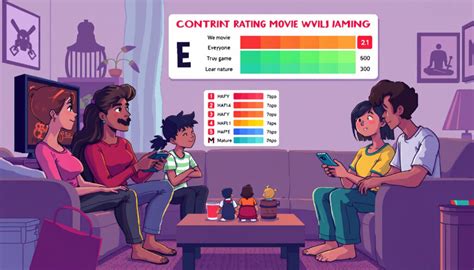
- Game Content: Which games are allowed and which are not, based on age ratings.
- Consequences: What happens if rules are broken (e.g., losing gaming privileges for a day).
- Pre-requisites: Are there chores or schoolwork that need to be completed first?
Consistency is key. If you bend the rules occasionally, it sends a mixed message and undermines the system you’ve built.
Implement Smart Tools and Technology
Many gaming consoles, devices, and even home routers offer robust parental control features that can enforce time limits automatically. This removes the “bad cop” role from you and places it on the technology, significantly reducing arguments.
- Console/Device Settings: PlayStation, Xbox, Nintendo Switch, and mobile devices all have built-in parental controls for setting play limits, content restrictions, and purchase limits.
- Router Settings: Some home routers allow you to schedule internet access for specific devices, effectively cutting off online gaming when time is up.
- Third-Party Apps: Consider apps designed for screen time management that offer detailed reports and scheduling features across multiple devices.

Create a Balanced Schedule
Gaming should be one part of a varied daily routine, not the entirety of it. Encourage and provide opportunities for other activities. Schedule in:
- Physical Activity: Outdoor play, sports, biking, walking the dog.
- Creative Hobbies: Drawing, reading, music, building blocks.
- Family Time: Board games, cooking together, movie nights.
- Homework/Study: Designated time for academic pursuits.
When children have engaging alternatives, the urge to game constantly naturally diminishes.

The Power of Rewards and Consequences
Positive reinforcement works wonders. Acknowledge and praise your child when they stick to the rules without argument. This could be verbal praise, a small privilege (not related to gaming), or points towards a larger reward.
Equally important are clear, non-negotiable consequences for breaking the rules. These should be established beforehand and consistently applied. For example, if a child goes over their time limit, they might lose gaming privileges for the next day. Ensure the consequences are proportionate and not overly harsh, but firm.
Lead by Example
Children are keen observers. If you’re constantly glued to your phone or laptop, your message about screen time limits might fall flat. Model healthy digital habits by putting away your own devices during family meals, engaging in non-screen activities, and demonstrating balance.

Be Flexible and Review Regularly
Life changes, and so do children’s needs and interests. What works today might not work six months from now. Schedule regular “family tech check-ins” to discuss how the rules are working. Are they too strict? Too lenient? Are there special occasions (like holidays or school breaks) that warrant temporary adjustments? Flexibility, within reason, shows that you trust your children and are willing to adapt.

Setting screen time limits for kids’ gaming doesn’t have to be an endless source of conflict. By involving your children, establishing clear boundaries, leveraging technology, promoting alternative activities, and leading by example, you can cultivate a healthier relationship with digital entertainment in your household. It’s a journey that requires patience and consistency, but the rewards of family harmony and well-adjusted children are well worth the effort.