




How to find cozy family games that prevent arguments & engage all skill levels?

The Quest for Harmonious Family Play
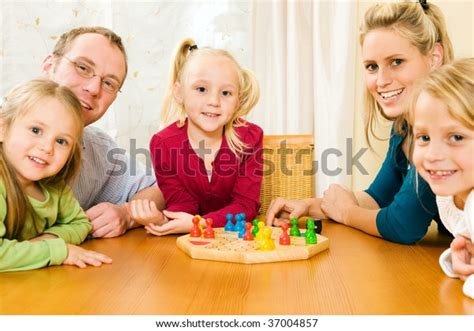
Family game night should be a cherished tradition, a time for laughter, connection, and shared joy. Yet, for many, it can quickly devolve into a minefield of arguments, frustration over differing skill levels, or disinterest from some participants. The dream is to find those magical “cozy” games – experiences that invite warmth, foster teamwork, and genuinely engage everyone from the youngest child to the most seasoned adult gamer, all while keeping squabbles at bay. But how do you navigate the vast world of games to find these rare gems?
Defining “Cozy” Game Play
Before diving into specific game types, it’s crucial to understand what makes a game truly “cozy.” It’s more than just a theme; it’s about the atmosphere and emotional experience it creates. Cozy games tend to be:
- Low-Pressure: Less emphasis on cutthroat competition and more on shared experience.
- Inclusive: Rules are easy to grasp, and participation feels natural for all ages.
- Atmospheric: Often feature charming art, engaging narratives, or comforting themes.
- Non-Elimination: No one is out of the game early, ensuring continuous engagement.
- Promotes Laughter: Focuses on fun moments over intense strategy.
These characteristics lay the groundwork for a truly enjoyable and stress-free family game night.

Preventing Arguments: The Power of Cooperation
One of the most effective ways to prevent arguments is to remove direct competition. Cooperative games are designed for players to work together towards a common goal against the game itself. This fosters teamwork, communication, and shared success or failure, eliminating direct player-versus-player conflict. Look for games where:
- Everyone wins or loses together: This encourages mutual support rather than rivalry.
- Communication is key: Players must discuss strategies and combine their strengths.
- No “take that” mechanics: Avoid games where players can directly harm another’s progress.
- Low analysis paralysis: Simple, intuitive turns keep the game flowing and reduce frustration.
Examples include games where you’re building something together, solving a puzzle, or surviving a challenge as a team.

Engaging Every Skill Level
Bridging the skill gap between a seasoned adult and a young child requires games with clever design. Here are mechanisms that help level the playing field:
- Elements of Luck: Dice rolls or card draws can introduce unpredictable outcomes, giving less experienced players a chance to win.
- Variable Difficulty/Roles: Some games offer different characters or roles with unique abilities, allowing players to choose based on their comfort level.
- Team-Based Play: Pairing a more experienced player with a less experienced one can create balanced teams, allowing guidance and mentorship.
- Hidden Information: Games where some information is secret can prevent one dominant player from micromanaging everyone else.
- Dexterity Games: Games that rely on physical skill (e.g., stacking, flicking) often transcend age and strategic ability, making them universally engaging.
- Storytelling/Drawing Games: These rely on creativity and imagination, skills everyone possesses, rather than strategic prowess.
Game Types to Explore
When searching for your next family favorite, consider these categories:
- Cooperative Storytelling Games: Where players collaboratively build a narrative.
- Simple Card Games: Often quick to learn and play, with just enough strategy to be interesting.
- Drawing & Pictionary-style Games: Rely on creative interpretation and guesswork, often leading to hilarious moments.
- Dexterity & Speed Games: Fast-paced and fun, these often bypass strategic thinking altogether.
- Relaxed Strategy Games: Look for games with simple rules but satisfying decisions, avoiding overly complex systems.
- Escape Room or Puzzle-based Games: Often cooperative and require different types of thinking, allowing everyone to contribute.

Tips for a Successful Family Game Night
Finding the right game is just one part of the equation. Creating the right environment is equally important:
- Set the Mood: Dim the lights, put on some background music, and have snacks and drinks ready.
- Explain Rules Clearly: Don’t rush; take your time to ensure everyone understands the objective and basic mechanics.
- Be Patient: Especially with younger or less experienced players. Offer gentle guidance, not criticism.
- Keep it Short: Especially initially. Start with shorter games or agree on a time limit to prevent fatigue.
- Focus on Fun, Not Winning: Emphasize the shared experience and laughs over who comes out on top.
- Rotate Game Master: Allow different family members to lead the game or read the rules.

Finding the perfect cozy family game that prevents arguments and engages all skill levels requires a mindful approach, prioritizing cooperation, accessibility, and a low-pressure atmosphere. By focusing on these principles, you can transform game night from a potential source of contention into a cherished, heartwarming tradition that strengthens family bonds and creates lasting memories for everyone.