




Beyond Steam, how do you reliably discover overlooked indie games?
Steam, with its colossal library and daily new releases, is undoubtedly the dominant platform for PC gaming. Yet, this very abundance presents a paradox: how do you find the truly exceptional, overlooked indie gems amidst the constant deluge? The algorithm often favors what’s popular, leaving brilliant, niche titles struggling for visibility. Fortunately, a vibrant ecosystem exists beyond Steam, offering dedicated avenues for the discerning gamer to unearth their next favorite, hidden masterpiece.
The Indie Game Discovery Challenge
For many indie developers, getting noticed on Steam is akin to shouting into a hurricane. The sheer volume of games released daily means even critically acclaimed titles can quickly sink without significant marketing budgets. Players, too, are often overwhelmed, sticking to established franchises or games heavily promoted by the platform’s algorithms. This creates a challenging environment where genuine innovation and heartfelt projects can easily be missed, making a strong case for exploring alternative discovery methods.
Beyond the Behemoth: Alternative Storefronts
While Steam holds a near-monopoly, several other digital storefronts have carved out their own niches, often with a greater focus on curation, community, or developer-friendly policies.
Itch.io: The Indie Haven
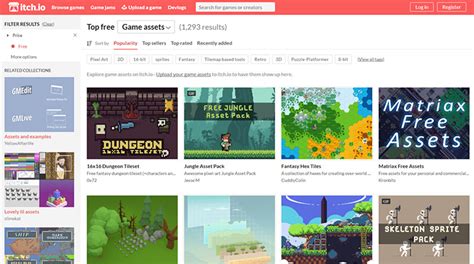
Itch.io stands out as perhaps the most open and developer-centric platform. It boasts an incredibly diverse catalog, ranging from polished commercial releases to experimental game jam entries and even interactive art. Its flexible revenue share model, robust tagging system, and community-driven curation make it a prime location for finding unique, often experimental, and truly overlooked games. Many developers launch their initial projects here, and its frequent bundles offer incredible value while supporting charity or the developers directly.
GOG.com & Epic Games Store: Curated Alternatives
GOG.com (Good Old Games) is renowned for its DRM-free philosophy and commitment to preserving classic PC titles. However, GOG also has a thoughtfully curated selection of modern indie games, often ensuring quality over quantity. The Epic Games Store, while primarily known for its AAA exclusives and free weekly offerings, occasionally features excellent indie titles and provides a significant platform for smaller developers. Both offer a more curated experience than Steam, making discovery slightly less daunting.

The Power of Community and Curation
Sometimes, the best recommendations come from fellow enthusiasts or dedicated critics who actively seek out the obscure.
Reddit and Discord: Real-Time Discussions
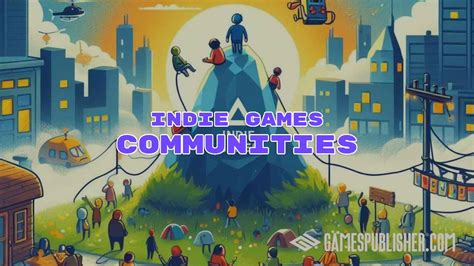
Dedicated subreddits like r/IndieGaming, r/patientgamers, and various game genre-specific communities are treasure troves of player-driven recommendations. Discord servers, whether for specific game developers, indie game publishers, or general gaming communities, also provide vibrant spaces for discussion, early access announcements, and direct interaction with creators and fans.
Specialized Blogs, Podcasts, and YouTube Channels
A host of content creators dedicate themselves to unearthing and showcasing indie games. Websites like Rock Paper Shotgun, Indie Game Website, and PC Gamer often feature deep dives into lesser-known titles. Similarly, many YouTubers and Twitch streamers build their audience by focusing exclusively on indie games, offering genuine enthusiasm and critical insights that can guide your discovery process. Following these curators can introduce you to games you’d never find through mainstream channels.
Game Jams and Developer Showcases
Events like Ludum Dare, Global Game Jam, or even dedicated indie game festivals (both online and physical) are fantastic places to see games in their nascent stages or discover unique concepts. Many games showcased at these events never make it to Steam or do so much later, giving you an an early look at potential future hits or allowing you to support emerging talent directly.
Direct Engagement: Connecting with Creators
In the indie scene, direct communication with developers is often encouraged. Following developers on social media (Twitter, Mastodon, Bluesky), subscribing to their newsletters, or backing their Kickstarter/Patreon campaigns can provide exclusive updates, early access opportunities, and a sense of direct involvement in the game’s journey.
Conclusion: A Wider Net for Wider Worlds
Discovering truly overlooked indie games requires casting a wider net than just Steam. By exploring alternative storefronts like Itch.io and GOG, engaging with vibrant online communities on Reddit and Discord, following dedicated indie game curators, and even participating in game jams, you can reliably find unique, innovative, and deeply rewarding gaming experiences that often go unnoticed by the mainstream. Embrace these alternative pathways, and you’ll unlock a world of hidden gems waiting to be played.