




Spotting real free mobile games vs. aggressive pay-to-win?
Navigating the Free-to-Play Landscape
The mobile gaming world is a vast ocean, teeming with titles promising endless fun without an upfront cost. The allure of ‘free-to-play’ (F2P) is undeniable, inviting millions to download and dive in. However, not all free games are created equal. Beneath the surface, many hide aggressive monetization strategies designed to compel players into spending, often referred to as ‘pay-to-win’ (P2W).
Understanding the ‘Free-to-Play’ Spectrum
True free-to-play means that the core gameplay experience is accessible and enjoyable without spending a single dime. Monetization, in these cases, is typically optional, focusing on cosmetics, convenience, or small boosts that don’t significantly impact a player’s ability to progress or compete. Examples include removing ads, purchasing skins, or unlocking minor quality-of-life features.
On the other hand, aggressive monetization models blur the lines, making free gameplay feel like a constant uphill battle unless you open your wallet. It’s crucial for players to understand this distinction to make informed choices about where to invest their time and, potentially, their money.

The Pitfalls of Aggressive Pay-to-Win (P2W)
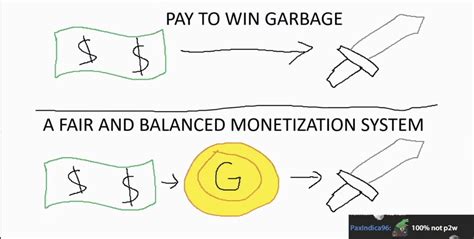
Pay-to-win games are characterized by mechanics that give spending players a distinct, often insurmountable, advantage over non-spending players. This advantage can manifest in several ways:
- Energy/Stamina Systems: These limit your playtime unless you pay to recharge. While some casual games use this benignly, P2W games make progress painfully slow without buying more energy.
- Unfair Competitive Advantage: Access to powerful gear, characters, or abilities that are either exclusive to spenders or incredibly difficult/time-consuming to obtain for free players.
- Time Gates: Tasks or upgrades that take hours or days to complete, with a prominent option to ‘skip’ the wait by spending premium currency.
- Aggressive Pop-ups and Offers: Constant, intrusive ads and limited-time offers for power-ups or essential items that pressure players to spend.
- Premium Currency Scarcity: While premium currency might be earnable in-game, the amounts are so minuscule that acquiring anything substantial without buying it is impractical.
How to Spot a P2W Trap
Before investing significant time into a new mobile game, look for these red flags:
- Examine the IAP Store Early: Browse the in-app purchase (IAP) store. Are essential gameplay items (e.g., strong weapons, progression boosters, rare characters) prominently featured for direct purchase, or are they only available through randomized ‘loot boxes’ or ‘gacha’ mechanics?
- Read Reviews and Community Feedback: User reviews, especially those from long-term players, and community forums are invaluable. Players are quick to point out aggressive monetization.
- Assess Gameplay Progression: Does the game start fun and fair, but quickly hit a wall where progress becomes excruciatingly slow unless you spend? This is a common P2W tactic.
- Observe PvP Dynamics: In player-versus-player (PvP) modes, do you consistently encounter opponents with vastly superior stats or equipment that seem unattainable for a free player? This often indicates a pay-to-win competitive environment.
- Trial Period: Play for a few hours or days without spending. If you feel constantly disadvantaged or blocked from enjoying the core experience, it’s likely P2W.

Discovering Genuinely Free Mobile Games
Not all hope is lost! Many developers genuinely strive to offer a great experience without resorting to predatory tactics. Look for games where:
- Monetization is Cosmetic: All purchases are for skins, emotes, visual effects, or other non-gameplay-impacting items.
- Ad-Removal Options: The game is ad-supported, but offers a one-time purchase to remove all ads, rather than forcing constant views for progress.
- Optional Convenience: IAPs might speed up minor grinding or offer quality-of-life improvements, but never provide a crucial competitive edge.
- Battle Passes are Balanced: While battle passes can be monetization, if the free track offers substantial, meaningful rewards and the premium track is mainly cosmetic or slightly faster progression, it can still be fair.
- Premium Titles with Free Demos: Some excellent games offer a limited free demo before requiring a single purchase to unlock the full experience – a very player-friendly model.

Empowering Your Mobile Gaming Journey
By understanding the nuances of mobile game monetization, you empower yourself to make better choices. Support developers who create fair, enjoyable experiences, and don’t feel pressured to spend money on games that actively try to manipulate you. Your gaming time is valuable; choose to spend it on games that respect that.

Ultimately, the goal is to enjoy mobile gaming without frustration or financial regret. With a keen eye and a bit of research, you can successfully navigate the free-to-play landscape and find genuinely engaging experiences that don’t demand your wallet for true enjoyment.