



What crucial game onboarding tips prevent new players from quitting due to difficulty?
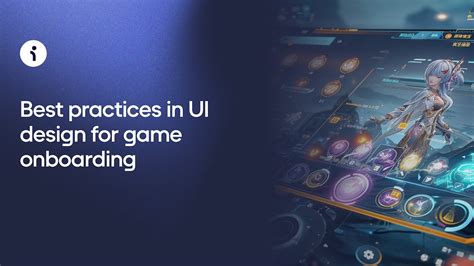
The first few hours with a new game are paramount. This initial interaction, often called onboarding, dictates whether a player becomes a long-term fan or quickly abandons the experience out of frustration, particularly when confronted with unexpected difficulty. A well-designed onboarding process doesn’t just teach controls; it instills confidence, sets expectations, and gently guides players into the game’s core loop without overwhelming them. Preventing players from quitting due to difficulty requires a thoughtful, multi-faceted approach.
Gradual Introduction to Mechanics
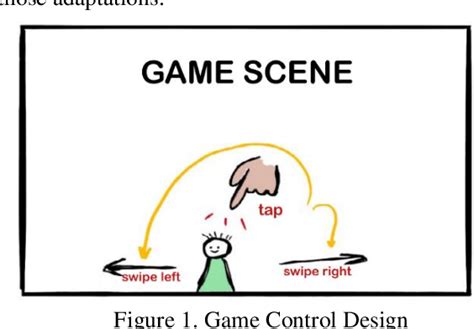
One of the most common pitfalls is throwing too many systems and controls at a new player simultaneously. A crucial tip is to introduce mechanics progressively. Start with the absolute basics – movement, primary interaction – and gradually layer in more complex systems. Think of it as a tutorial within a tutorial, where each new concept builds upon the last, allowing players to master one skill before moving to the next. This ‘learn by doing’ approach, integrated into the early gameplay rather than a separate, dry menu, is far more effective.

Clear and Contextual Feedback
Players need to understand why they succeeded or failed. Ambiguous feedback can quickly lead to frustration. Provide clear visual, audio, and textual cues that explain the consequences of their actions. Did they hit the enemy’s weak point? Show a larger damage number and a distinctive sound. Did they attempt an impossible jump? Clearly indicate why, perhaps with a brief on-screen tip. Contextual help, such as pop-ups that appear only when a player struggles with a specific task, can be invaluable without being intrusive.
Furthermore, ensure that the game’s UI effectively communicates necessary information without clutter. Health bars, ability cooldowns, objective markers – these should be intuitive and easily digestible, allowing players to focus on the gameplay rather than deciphering the interface.
Adaptive Difficulty and Pacing
Not all players come with the same skill set or experience level. Offering adaptive difficulty or at least a carefully paced introduction to challenges can significantly reduce early frustration. This doesn’t necessarily mean an easy mode, but rather a gentle ramp-up in the initial stages. Consider tutorial levels that are forgiving, allowing for mistakes without severe penalties. Some games even employ dynamic difficulty scaling in early sections, subtly adjusting enemy health or AI aggression based on player performance, to keep the experience engaging but not overwhelming.
Rewarding Early Success
Nothing builds confidence like early victories. Design the initial stages to provide frequent, achievable successes. These “quick wins” validate the player’s efforts and encourage them to continue. This could be anything from successfully completing a simple quest, defeating a weak enemy, or solving a straightforward puzzle. Positive reinforcement, through small in-game rewards, a celebratory animation, or a simple “Great Job!”, can significantly boost morale and motivation. Progression markers that visibly show how far a player has come can also be very encouraging.

Empowering Player Agency
While guided onboarding is essential, offering some degree of player agency can make the experience feel less restrictive. This might include optional advanced tutorials, control remapping options, or even a choice between different initial character builds that cater to varying playstyles. Allowing players to skip parts of the tutorial they already understand, or revisiting specific instructional modules, shows respect for their time and previous gaming experience. Give players a sense of control over their learning path where appropriate.

Conclusion: The Foundation of Retention
Preventing new players from quitting due to difficulty isn’t about making a game easy; it’s about making it accessible and understandable. By progressively introducing mechanics, providing clear and contextual feedback, carefully managing difficulty, rewarding early successes, and offering a degree of player agency, developers can craft an onboarding experience that transforms potential frustration into lasting engagement. A well-executed onboarding process is not just a tutorial; it’s the critical first step in building a thriving player community and ensuring your game’s long-term success.