




How can parents effectively manage kids’ screen time for healthy gaming habits?

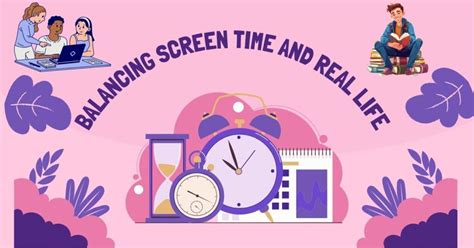
In today’s digital age, video games are an undeniable part of many children’s lives. While they can offer entertainment, learning, and social interaction, parents often grapple with the challenge of managing screen time to prevent unhealthy gaming habits. Striking the right balance is crucial for a child’s overall development and well-being.
Understanding the Digital Landscape
The allure of gaming is strong, and for many kids, it’s a primary source of fun and connection. However, excessive screen time can lead to various issues, including sleep disturbances, reduced physical activity, academic struggles, and social isolation. Effective management isn’t about outright banning games but about fostering a healthy relationship with technology and understanding its pervasive presence in their world.

Establish Clear Rules and Boundaries Together
One of the most effective strategies is to establish clear, consistent rules about when, where, and for how long gaming is allowed. Involve your children in creating these rules; this participatory approach gives them a sense of ownership and makes them more likely to adhere. Consider daily limits, specific times (e.g., after homework, before dinner), and designated gaming zones within the home. Consistency is key to success.
Lead by Example: Model Healthy Tech Habits
Children are keen observers and often mirror their parents’ behavior. If parents are constantly glued to their phones or laptops, it sends a mixed message about screen time limits. Model healthy tech habits by setting aside your own devices during family meals, conversations, or designated “screen-free” times. Show them that there’s a vibrant and engaging world beyond digital screens.

Encourage a Diverse Range of Alternative Activities
Actively encourage and facilitate a wide range of non-screen activities. This includes outdoor play, reading, creative arts, board games, sports, and family outings. The more engaging and accessible alternatives available, the less dependent children will be on screens for entertainment. Make these activities appealing and accessible, perhaps even by scheduling them into the family routine.
Utilize Parental Control Tools Wisely
Technology itself can be a powerful ally in managing screen time. Most gaming consoles, PCs, and mobile devices offer built-in parental controls that allow you to set time limits, filter content, and monitor usage. Explore these features and use them as a practical means to enforce the rules you’ve established. Remember, these tools are aids, not substitutes for open communication and active parenting.

Educate and Engage in Open Discussion
Instead of just imposing rules, explain the “why” behind them. Discuss the potential downsides of excessive screen time, such as eye strain or reduced focus, and highlight the benefits of a balanced lifestyle. Ask about the games they play, show genuine interest, and discuss game content. This open dialogue helps children develop critical thinking skills about their digital consumption and teaches them to self-regulate.

Focus on Quality Over Quantity of Screen Time
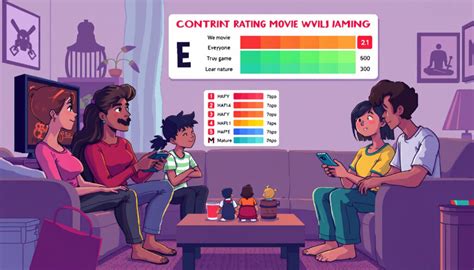
Not all screen time is created equal. Encourage games that are educational, promote problem-solving, or involve physical activity (e.g., active console games). Discuss the content they are consuming: Is it age-appropriate? Are they learning new skills? Are they interacting positively with others? Shifting the focus from merely limiting minutes to evaluating the value and impact of screen time can be very beneficial.

Be Flexible and Review Strategies Regularly
As children grow and their developmental needs change, so too should your approach to screen time management. What works effectively for a 7-year-old might not be appropriate or effective for a 12-year-old. Regularly review your family’s screen time rules, discussing what’s working well and what isn’t. Be prepared to adapt and refine your strategy as circumstances evolve, maintaining an open line of communication throughout.
Conclusion: Cultivating a Balanced Digital Life
Managing screen time for healthy gaming habits is an ongoing process that requires patience, consistency, and open communication. By setting clear boundaries, modeling good behavior, encouraging diverse activities, and engaging in meaningful discussions, parents can guide their children towards a balanced and fulfilling relationship with technology, ensuring that gaming remains a positive, enriching, and healthy part of their lives.