



How to spot truly free mobile games vs. ‘pay-to-win’ IAP traps?

The Allure and Deception of “Free” Mobile Games
Mobile gaming has exploded in popularity, offering countless titles at the enticing price of “free.” However, this label often comes with a catch: In-App Purchases (IAPs). While some IAPs are harmless cosmetic enhancements or optional conveniences, many games employ predatory ‘pay-to-win’ (P2W) mechanics designed to extract money from players by creating artificial roadblocks or offering significant competitive advantages for a price. Understanding how to spot these traps is crucial for enjoying mobile gaming without emptying your wallet.
Understanding Different Free-to-Play (F2P) Models
Not all F2P games are created equal. Their monetization strategies can significantly impact the player experience:
- Cosmetic IAPs: These offer aesthetic changes (skins, emotes) that don’t affect gameplay. Examples include popular titles like Fortnite or League of Legends Mobile. These are generally considered fair, as they support the developers without creating an uneven playing field.
- Quality of Life (QoL) IAPs: These might remove ads, provide extra storage, or speed up non-essential timers. While they offer convenience, they can sometimes edge into P2W if the base game experience is deliberately hampered without them.
- Pay-to-Win IAPs: This is the problematic category. These purchases directly influence gameplay, offering power boosts, exclusive characters/gear, or skipping essential grind barriers that are otherwise excessively long or difficult.
Red Flags: How to Spot a Pay-to-Win Trap
Vigilance is key when diving into a new “free” mobile game. Here are common indicators of a P2W system:
Aggressive Energy Systems and Timers
Many P2W games gate your progress with energy bars or lengthy timers for building, crafting, or healing. While a mild timer can add strategy, overly restrictive systems that demand real money to continue playing immediately are a major red flag.

Artificial Difficulty Spikes
Does the game suddenly become incredibly difficult after a few hours, forcing you to grind endlessly or suggesting a “special offer” to overcome the hurdle? This deliberate design choice aims to make you feel stuck unless you pay.
Confusing Premium Currencies and Loot Boxes
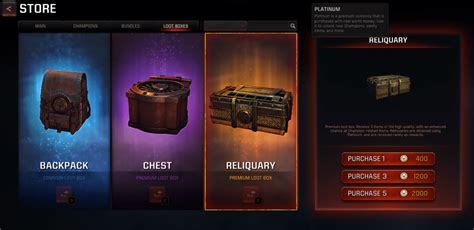
Games often introduce multiple in-game currencies, with one “premium” currency only available through real money or extremely rare drops. Loot boxes (gacha mechanics) where you pay for a chance at powerful items are a hallmark of P2W, preying on gambling instincts.
Exclusive or Overpowered Gear/Characters
If the best characters, weapons, or armor are consistently locked behind expensive purchases, subscriptions, or low-probability loot boxes, the game is likely P2W. This directly translates money into power, creating an unfair competitive environment.
Constant Pop-ups and Scarcity Tactics (FOMO)
Aggressive in-game advertising, constant notifications about “limited-time offers,” or “deals expiring soon” are designed to create Fear Of Missing Out (FOMO) and pressure you into impulsive purchases.

Characteristics of Truly Free and Fair F2P Games
On the flip side, many developers create engaging experiences that respect their players. Look for these positive signs:
- Purely Cosmetic IAPs: All purchases are aesthetic and do not confer any gameplay advantage.
- Optional Ads: Ads exist but are user-initiated (e.g., watch an ad for a bonus reward) rather than forced or disruptive.
- Progress Through Skill and Time: All content, including powerful gear or characters, can be earned by playing the game consistently and skillfully, albeit sometimes requiring a significant time investment.
- Generous In-Game Rewards: The game regularly provides free currency, items, or progression boosts through daily logins, quests, or events, making the free path viable.
A truly free game should allow you to experience the vast majority of its content and reach end-game without ever feeling compelled to spend money, unless it’s purely for aesthetic customization or to support the developers.

Tips for Players: Navigating the Mobile Game Landscape
Before investing your time (or money) in a new mobile game:
- Read Reviews: Check both user reviews and professional critiques on app stores and gaming sites. Look for mentions of “P2W,” “grindy,” or “greedy.”
- Scrutinize IAP Details: App stores list available IAPs. If you see high-priced bundles for “gems,” “power-ups,” or “legendary chests,” proceed with caution.
- Play Before You Pay: Give the game a significant trial run (several hours or days). Many P2W elements only become apparent later in the game.
- Set Spending Limits: If you decide to spend, set a strict budget for yourself to avoid impulsive purchases.
By understanding the common tactics of ‘pay-to-win’ games and recognizing the hallmarks of fair free-to-play models, you can make informed choices and truly enjoy the vast world of mobile gaming without falling into expensive traps.