




What’s the best way to teach core game mechanics quickly to absolute beginners?

The Challenge of First Impressions
For absolute beginners, a new game can feel like an alien world with its own language and rules. The initial moments are crucial: players need to quickly grasp the fundamental mechanics to feel competent and engaged. Fail to teach effectively, and you risk losing new players before they even get started. The goal isn’t just to explain mechanics, but to make them intuitive and second-nature.

Prioritize Learning by Doing
Lecturing players about mechanics is rarely effective. Humans learn best by doing, especially in interactive mediums. Instead of lengthy text boxes or cutscenes explaining every button, design an environment where players perform the action as it’s introduced. For instance, if ‘jumping’ is a core mechanic, have the first obstacle require a jump, with a subtle prompt appearing as they approach it. This immediate application solidifies understanding far more efficiently than passive instruction.
Break Down Complexity into Core Actions
Don’t overwhelm beginners with a dozen mechanics at once. Identify the absolute core mechanics – movement, primary interaction, basic attack – and introduce them sequentially. Build upon these foundations. Once movement is understood, introduce interaction, then a simple attack, and so on. Each new mechanic should ideally solve a new problem or enable a new opportunity presented in the game world.
Leverage Visuals and Contextual Cues
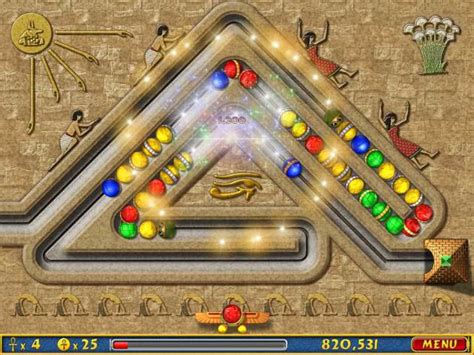
Visual aids are invaluable. Clear iconography, color coding, and animation can communicate information faster than text. When a new mechanic is introduced, highlight the relevant UI element, show a quick animation of the action, or use environmental cues (like a shimmering collectible that requires a specific interaction). Contextual prompts, such as a button icon appearing only when a specific action is possible, guide the player without cluttering the screen.
Design Smart Tutorial Segments
A well-designed tutorial isn’t a separate, dry menu; it’s often seamlessly integrated into the initial gameplay. Consider:
- On-Rails Experience: Guide players through a controlled, linear path where they encounter mechanics one by one.
- Micro-Challenges: Present small, low-stakes puzzles or encounters that require the use of a newly taught mechanic to progress.
- Safe Practice Spaces: Provide an area where players can experiment with new abilities without fear of failure or penalty.
Crucially, allow players to fail in these safe spaces, as failure is a powerful teacher. Just ensure the consequences are minimal and the path to success is clear.
Clear and Concise Language (When Text is Necessary)
When text explanations are unavoidable, make them short, direct, and free of jargon. Use a large, readable font and place text close to the relevant action or UI element. Avoid long paragraphs; bullet points or single-sentence tips are often more effective. An example: instead of “Utilize the left analog stick to navigate your character through the environment,” opt for “Move with the Left Stick.”
Progressive Disclosure and Analogy
Don’t show players everything they *can* do, show them what they *need* to do right now. As players become more comfortable, gradually unlock more complex mechanics or variations. Also, leverage analogies. If your game has a “cover” mechanic, you might briefly relate it to “hiding behind a wall in real life.” This taps into existing knowledge and makes new concepts easier to grasp.
The Iterative Approach: Test and Refine
Teaching mechanics is an art, not a science, and what works for one game might not work for another. The best way to ensure your tutorial is effective is to test it with actual absolute beginners. Observe where they get stuck, what they misunderstand, and where they feel overwhelmed. Use this feedback to iterate and refine your teaching methods until players are quickly and confidently performing core actions.
Conclusion: Make Learning Invisible
The best way to teach core game mechanics quickly to absolute beginners is to make the learning process feel almost invisible. By integrating instruction into gameplay, prioritizing hands-on experience, leveraging clear visual and contextual cues, and progressively introducing complexity, you can transform the daunting first few minutes into an engaging and empowering introduction to your game world. The goal is for players to feel they are discovering the mechanics naturally, rather than being lectured through them.