


What’s the best actionable first step for new players in any beginner game guide?

Navigating the Initial Learning Curve
Stepping into a new game world, whether it’s a sprawling RPG, a fast-paced shooter, or a complex strategy title, can be both exciting and daunting. Many new players are eager to dive straight into the action, often skipping crucial preparatory steps. However, without a solid foundation, enthusiasm can quickly turn into frustration. The key to a smooth entry and an enjoyable experience lies in one universally applicable, actionable first step.

The Best First Step: Embrace the Onboarding
The single most impactful first step for any new player is to **diligently complete the game’s initial tutorial or, if none exists, actively explore and understand the basic user interface (UI) and core controls.** This might seem like an obvious piece of advice, but rushing or completely skipping this crucial onboarding phase is a common pitfall that leads to unnecessary struggles, confusion, and ultimately, a less satisfying gaming experience.

Why It’s Critical: Building Your Foundation
This initial exploration phase isn’t just about learning which buttons to press; it’s about building a mental model of how the game operates. Here’s why it’s so critical:
-
Understanding the UI
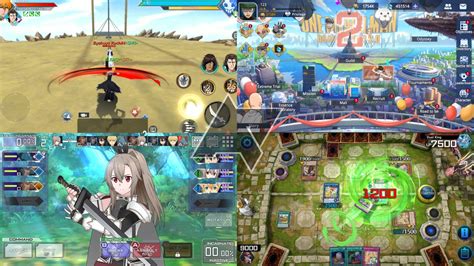
Every game presents information uniquely. Health bars, mini-maps, inventories, quest logs, ability cooldowns, and enemy indicators are all vital. Knowing what each icon and display element signifies is paramount to making informed decisions and understanding the state of your character and the world around you.
-
Mastering Basic Controls
From fundamental movement (WASD, joystick, mouse) to interaction (e.g., ‘E’ to open, ‘F’ to pick up), attacking, defending, and accessing menus, fluid control is the bedrock of gameplay. Tutorials are specifically designed to walk you through these actions, allowing you to develop muscle memory in a low-pressure environment.
-
Grasping Core Mechanics
Many games introduce their fundamental loop (e.g., “gather-craft-build,” “explore-fight-loot,” “move-shoot-ability”) in the early stages. Understanding these core mechanics early on makes progression much clearer and less overwhelming.
-
Boosting Confidence
Successfully navigating the initial learning phase builds confidence. When you understand the basics, the subsequent challenges feel less daunting, and you’re more likely to experiment and enjoy the game’s complexities.
How to Execute This Step Effectively
Simply being aware isn’t enough; you need to engage actively:
-
Follow Prompts
Most games will explicitly guide you through their onboarding process. Pay close attention to on-screen prompts, tooltips, and character dialogue. Don’t click through them mindlessly.
-
Check Settings and Keybinds
Before even starting or early on, take a quick look at the control settings or keybinds menu. This gives you a comprehensive overview of all available actions. Consider remapping keys or buttons to a layout that feels most comfortable and intuitive for you.
-
Don’t Rush
Treat the tutorial as a dedicated learning session. Don’t worry about speedrunning; focus on comprehension. Experiment with the actions it asks you to perform until they feel natural.
-
Explore if No Tutorial
If a game throws you directly into the world without an explicit tutorial, take a moment. Look at the HUD. Try moving, jumping, and interacting with objects. Open the game menu and look for sections labeled “Help,” “Controls,” or “Glossary.” These can provide vital information.
The Payoff: Reduced Frustration, Enhanced Enjoyment
By investing a little time upfront into understanding the fundamentals, new players drastically reduce the likelihood of getting stuck, making silly mistakes, or simply feeling overwhelmed by the game’s systems. This proactive approach paves the way for a much more enjoyable and rewarding gaming experience. Instead of wrestling with basic operations, you’ll be able to focus your energy on strategy, exploration, and truly appreciating the fun and challenge the game has to offer. So, before you embark on your next grand adventure, remember: learn the ropes, and the rest will follow.