




What’s the most effective structure for a game beginner’s guide to prevent new player overwhelm?

Avoiding the New Player Overwhelm: A Structured Approach
Entering a new game, especially one with complex mechanics or a vast open world, can be daunting. New players often face an overwhelming deluge of information, from convoluted control schemes to intricate skill trees and obscure quest objectives. A well-structured beginner’s guide is crucial not just for teaching, but for preventing early frustration and ensuring player retention.
Why New Players Get Overwhelmed
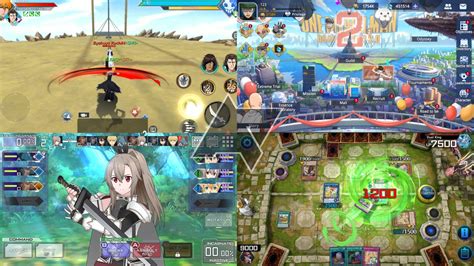
The root of new player overwhelm lies in information overload. Developers often pack tutorials with every possible mechanic, assuming players need to know everything upfront. This leads to cognitive overload, where too many new concepts are presented simultaneously without adequate context or opportunity for practice. Players forget crucial details, feel lost, and eventually abandon the game. Common culprits include: lengthy unskippable cutscenes explaining lore before gameplay, tutorial sections that dump all controls at once, and early game missions that require mastery of multiple systems.
Core Principles for an Effective Guide
To combat overwhelm, a beginner’s guide must adhere to several key principles, focusing on clarity, pacing, and practical engagement.
Start with the Absolute Essentials
Before anything else, identify the absolute minimum knowledge required for a player to move, look around, and interact with the game world. This might be WASD movement, mouse look, and a single ‘interact’ key. Resist the urge to introduce inventory management, combat combos, or advanced crafting until these fundamental actions are second nature. Think of it as teaching a baby to walk before asking them to run a marathon.
Introduce Concepts Incrementally
Information should be drip-fed. Each new mechanic or system should be introduced one at a time, building upon previously learned concepts. For example, introduce basic combat (e.g., left-click to attack) before explaining different weapon types, elemental damage, or blocking mechanics. Allow players to practice and internalize one concept before layering on the next.

Prioritize Practical Application
Learning by doing is far more effective than passive reading or watching. Every new concept should immediately be followed by a practical, low-stakes task where the player can apply what they’ve just learned. If you introduce jumping, have them jump over a small obstacle. If you explain basic crafting, have them craft a very simple item with easily acquired resources. This reinforces learning and builds confidence.
Maintain a Gentle Learning Curve
The guide should anticipate player struggles and provide solutions. Avoid jargon where possible, or clearly define it. Ensure early challenges are forgiving and offer clear feedback. The goal isn’t to make the game easy, but to make the learning process accessible and encouraging, slowly ramping up complexity as the player gains proficiency.
A Recommended Guide Structure
Based on these principles, here’s an effective structure for a beginner’s guide that prioritizes player understanding and prevents overwhelm.
1. The Gentle Welcome (First Steps)
Focus: Immediate orientation and basic movement.
Content:
- Introduction: Briefly explain what the guide covers and its purpose (e.g., ‘This guide will get you started in [Game Name] without getting lost.’).
- Controls Overview (Essentials Only): Mouse look, WASD movement, primary interact key. Keep it to 3-5 key actions.
- First Objective: A simple, non-threatening task like ‘Move to the glowing spot’ or ‘Talk to the NPC at the gate.’
Why it works: Low barrier to entry, immediate success, builds basic muscle memory.

2. Core Mechanics: Walk Before You Run
Focus: Essential gameplay loops.
Content:
- Basic Interaction: How to pick up items, open a simple menu (e.g., inventory), or use a basic ability.
- Simple Combat/Puzzle (if applicable): Introduce one core combat move (e.g., basic attack) against a non-threatening enemy, or a very simple puzzle mechanism.
- Health/Mana Explanation: A brief, visual explanation of primary resources.
Why it works: Expands on basics, introduces the first layer of core gameplay, still keeps complexity low.
3. Your First Objective: Purposeful Play
Focus: Applying learned skills in a meaningful (but simple) context.
Content:
- Mini-Quest/Scenario: Guide players through a very short, linear quest that requires using the movement, interaction, and basic combat/puzzle skills they’ve just learned.
- Goal Setting: Clearly state the objective and how to achieve it.
- Rewards (Optional but encouraging): A small reward for completion, reinforcing positive feedback.
Why it works: Teaches how to follow objectives, applies knowledge practically, provides a sense of accomplishment.
4. Expanding Horizons: Gradual System Introduction
Focus: Incremental introduction of deeper game systems.
Content (as separate, optional sections):
- Inventory & Item Management: How to equip, discard, and understand item stats.
- Basic Crafting/Skills: Introduction to a single, simple crafting recipe or unlocking a specific skill.
- Navigation & Map Reading: How to use the in-game map, mini-map, and quest markers.
- Money & Basic Economy: How to earn and spend currency.
- Social/Multiplayer (if applicable): How to add friends or join a basic group.
Why it works: Allows players to pick and choose what they learn next, prevents cognitive overload by breaking down complex systems.
5. Advanced Tips & Further Resources
Focus: Encouraging continued play and self-sufficiency.
Content:
- Common Pitfalls: Brief tips on things to avoid or look out for.
- Quality of Life Suggestions: Settings to tweak, useful hotkeys.
- Where to Go Next: Suggesting the first ‘real’ quest line or area.
- Community & Resources: Links to official wikis, forums, community hubs, or advanced guides.
Why it works: Empowers players to continue their journey, provides support for future questions, builds a sense of community.
Conclusion
Crafting an effective beginner’s guide isn’t about dumping all information at once; it’s about curating a gentle, progressive learning experience. By starting with the absolute essentials, introducing concepts incrementally, and prioritizing practical application, game developers and guide writers can transform potential overwhelm into an enjoyable and empowering journey for new players. A well-structured guide not only teaches the game but also instills confidence and fosters a lasting engagement with the gaming experience.