




Best no-conflict co-op family games for diverse ages & skill levels?

In a world often filled with competition and screens, the simple joy of gathering around a table for a cooperative board game offers a refreshing and unifying experience for families. No-conflict co-op games are particularly special because they encourage teamwork, communication, and shared problem-solving without the stress of direct competition or “take-that” mechanics. This makes them ideal for families with diverse ages and skill levels, ensuring everyone feels included and valued. Instead of vying against each other, players work together towards a common goal, fostering a true sense of camaraderie.

Why Choose No-Conflict Co-op Games?
The beauty of cooperative games lies in their ability to unite players. For families, this translates into a host of benefits:
- Enhanced Communication: Players must discuss strategies, share information, and coordinate actions to succeed.
- Teamwork and Collaboration: Everyone contributes their unique skills and perspectives to overcome challenges.
- Reduced Stress: Without competitive pressure, the focus shifts to enjoyment and collective achievement, making the experience more relaxed and positive for all, especially younger or less confident players.
- Scalable Fun: Many co-op games naturally allow for varying levels of participation, where older or more experienced players can guide younger ones without “playing for them.”
- Shared Victories (and Losses): Winning as a team is incredibly satisfying, and even losing together can be a valuable learning experience, fostering resilience.

Top Picks for Diverse Ages and Skill Levels
Finding the perfect game means considering engagement for different age groups and ensuring the mechanics aren’t overly complex for younger players, while still offering depth for adults. Here are some standout choices:
1. Forbidden Island / Forbidden Desert
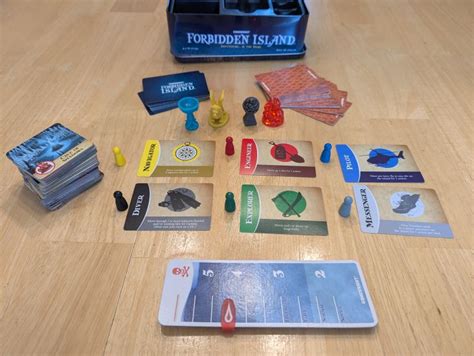
Designed by Matt Leacock, both Forbidden Island and its slightly more complex sequel, Forbidden Desert, are excellent entry points into the cooperative genre. In Forbidden Island, players work together as a team of adventurers to collect treasures from a sinking island before it disappears. Each player has a unique special ability, and success hinges on clever planning and communication. Forbidden Desert ups the ante with a modular board, a sandstorm mechanic, and resource management. Both are relatively quick to play (30-45 minutes), easy to teach, and provide a compelling challenge that appeals to children as young as 8 and adults alike. They strike a fantastic balance between strategic depth and accessibility, making them perfect for diverse family game nights.
2. Stuffed Fables
For families who love storytelling and adventure, Stuffed Fables offers a truly immersive cooperative experience. Players take on the roles of brave stuffed animals trying to protect the child they love from monsters lurking under the bed and in the “flip book” storybook. This game is narrative-driven, with decisions impacting the unfolding story and various mini-games and challenges built into the chapters. The rules are taught gradually through the first few chapters, making it accessible even for younger players (7+), while the rich story and tactical combat keep adults fully engaged. It’s a heartwarming journey that truly brings the family together.

3. Hanabi
Hanabi is a unique and brilliant cooperative card game where players work together to create a spectacular fireworks display. The catch? You hold your cards facing outwards, so only your teammates can see what you have! Players must give limited clues to help others play the right cards in the correct sequence. This game is all about subtle communication, deduction, and trust. While the rules are simple, mastering Hanabi requires careful thought and a collaborative mindset, making it a fantastic brain-teaser for older children (8+) and adults. It’s compact, affordable, and offers a surprisingly deep cooperative puzzle.
4. The Crew: The Quest for Planet Nine / Deep Sea Mission
If your family enjoys card games, The Crew is a revolutionary cooperative trick-taking game that has taken the gaming world by storm. Players embark on a series of increasingly difficult missions (50 in Quest for Planet Nine, 99 in Deep Sea Mission), each with specific objectives that must be fulfilled by different players. The challenge lies in the extremely limited communication allowed during play. It’s a game that encourages clever card play, deduction, and non-verbal understanding. Ideal for ages 10+, it provides a rewarding challenge for experienced card players while slowly introducing the mechanics for newcomers. The modular mission structure ensures endless replayability and a constantly evolving cooperative puzzle.

Tips for Maximizing Your Family’s Co-op Fun
To ensure your cooperative game nights are a resounding success, consider these tips:
- Embrace the “Alpha Gamer” Problem: Sometimes, one player (often an adult or more experienced gamer) can inadvertently take over, dictating all moves. Actively encourage everyone to share ideas and make decisions. Ask, “What do you think we should do?” or “Does anyone have another idea?”
- Focus on the Experience, Not Just the Win: The goal isn’t always to win, but to have fun together. Celebrate good moves, laugh at mistakes, and enjoy the shared journey.
- Assign Roles (Even if Informal): For some games, letting a younger player be the “dice roller” or “token mover” can give them ownership and engagement.
- Adjust Difficulty: Many co-op games offer variable difficulty levels. Start easy to build confidence and gradually increase the challenge.
Conclusion
No-conflict cooperative board games are more than just entertainment; they are powerful tools for building stronger family bonds, enhancing communication, and teaching valuable life skills in a fun, engaging way. By choosing games that cater to diverse ages and skill levels, you create an inclusive environment where everyone can contribute and feel like a vital part of the team. So gather your loved ones, choose an adventure, and prepare for countless hours of shared triumphs and cherished memories around the table.