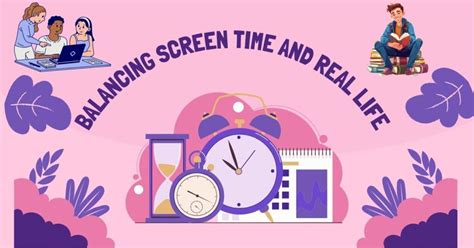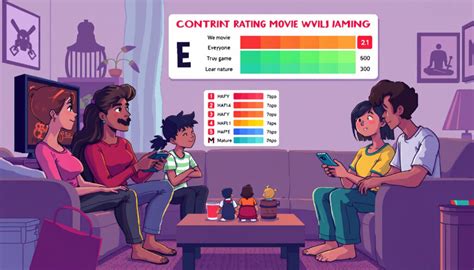





How can I set balanced screen time rules for my child’s games, big and small?

The Modern Parenting Puzzle: Gaming and Screen Time
In today’s digital age, video games are an undeniable part of many children’s lives. From quick mobile apps to sprawling online worlds, games offer entertainment, connection, and even learning opportunities. However, for parents, managing this digital landscape can feel like a complex puzzle. How do you set screen time rules that are fair, effective, and adaptable to the vast spectrum of games available, without constantly battling over controllers or tablets?

Understanding “Big” vs. “Small” Games
The first step in setting balanced rules is to recognize that not all screen time is created equal. “Big” games often refer to console or PC titles that are immersive, story-driven, or require significant time commitment – think open-world adventures, online multiplayer RPGs, or strategy games. These can foster deeper engagement, problem-solving, and social interaction but can also be harder to “put down.”
“Small” games, on the other hand, might include quick mobile puzzle apps, short arcade-style games, or educational apps. They are often played in shorter bursts, are easier to pick up and put down, and might serve as quick distractions or rewards.
The rules for a child engrossed in building a virtual empire for an hour might differ from those for a child playing a five-minute word game.
Core Principles for Balanced Screen Time Rules
1. Prioritize Real-World Activities
Homework, chores, outdoor play, family time, and adequate sleep must always come first. Screen time should be a privilege earned, not an automatic right.
2. Be Flexible and Negotiate
Rigid rules often lead to rebellion. Involve your child in the discussion when appropriate, allowing for some negotiation. This fosters a sense of ownership and responsibility.
3. Consider Age and Developmental Stage
What’s appropriate for a 6-year-old is vastly different from a 13-year-old. Younger children often benefit from stricter limits, while older children might need more flexibility as they develop self-regulation skills.
4. Quality Over Quantity
Is your child playing an educational game, engaging in creative expression, or simply mindlessly scrolling? While all types of play have value, understanding the content can help you adjust limits. A social game played with friends might have more value than a solo, repetitive one.

Practical Strategies for Setting Rules
Time-Based Limits
- Daily/Weekly Allowances: Set a total amount of screen time per day or week. For example, “1 hour on weekdays, 2 hours on weekends,” or “10 hours total for the week, managed as you see fit.”
- Session Limits: For specific game types, set maximum session lengths (e.g., “30 minutes per game session”).
Activity-Based Conditions
- “First-Then” Rules: “First homework, then games.” “First chores, then screen time.”
- Screen-Free Zones/Times: Designate specific times (e.g., during meals, an hour before bed) and places (e.g., bedrooms, dining table) as screen-free.
Parental Involvement and Tools
- Play Together: Understand the games your child enjoys by playing with them occasionally. This provides insight and builds connection.
- Utilize Parental Controls: Many devices and platforms offer built-in tools to set time limits, restrict content, and monitor usage.
Adapting Rules for “Big” and “Small” Games
This is where the nuance truly comes into play:
- For “Big” Games: These often require more commitment. You might allow longer, less frequent sessions, perhaps focusing them on weekends or specific after-school days. For instance, “You can play your console game for 90 minutes on Saturday afternoon, but mobile games are limited to 15 minutes after homework on weekdays.” Be clear about saving progress or finding natural stopping points before starting.
- For “Small” Games: These are easier to manage in shorter bursts. They can be great as quick rewards after completing tasks or during short breaks. “You can play a mobile puzzle game for 10 minutes while waiting for dinner.”
It’s crucial to communicate these distinctions clearly to your child so they understand why the rules vary.

Review, Adjust, and Communicate
Screen time rules are not set in stone. As your child grows, as new games emerge, and as family schedules change, these rules will need adjustment. Regularly check in with your child. Ask them if the rules feel fair, if they’re struggling, or if they have suggestions. Open communication is key to maintaining a healthy and respectful digital environment.

Striking the Balance for Healthy Development
Ultimately, setting balanced screen time rules isn’t about eliminating games; it’s about integrating them thoughtfully into a child’s life. It’s about teaching self-regulation, prioritizing well-being, and ensuring that digital play complements, rather than dominates, their development. By being intentional, flexible, and communicative, parents can guide their children toward a healthy and balanced relationship with games, big and small.