




How do you simplify complex game mechanics for beginner how-to guides?

For many aspiring gamers, the thrill of a new game can quickly turn into frustration when confronted with intricate mechanics and systems. Crafting effective how-to guides for beginners isn’t just about listing steps; it’s about translating complexity into comprehension, making the learning curve feel like a gentle slope rather than a vertical climb. This involves a delicate balance of clarity, patience, and strategic presentation.
Understanding Your Audience
The first step in simplification is knowing who you’re simplifying for. Beginners aren’t a monolithic group. Are they completely new to gaming, or just new to this specific genre or title? Their existing knowledge base dictates how much foundational information you need to provide. Avoid jargon without explanation and assume no prior understanding of common gaming tropes unless explicitly targeting a sub-segment of beginners. Focus on the core objective: getting them to play and enjoy the game, not overwhelming them with every nuance immediately.

Break Down Complexity into Bite-Sized Chunks
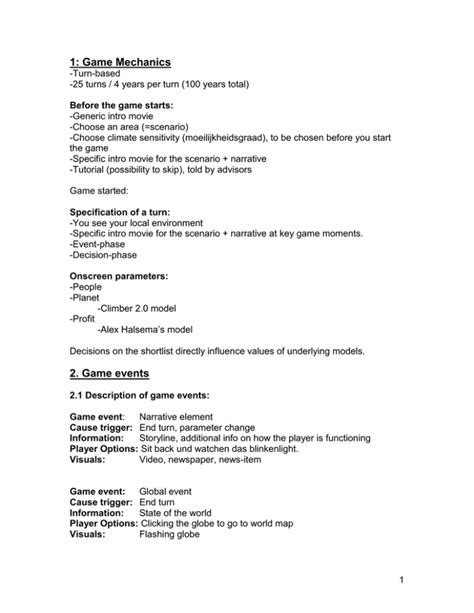
A common mistake is trying to explain everything at once. Instead, dissect complex mechanics into their most fundamental components. Present these components one at a time, building understanding incrementally. Think of it like teaching someone to cook a complicated dish: you start with basic knife skills, then ingredient prep, then a simple sauce, before combining them into the final recipe. For game mechanics, this might mean:
- Isolating Core Concepts: Focus on one mechanic per section or even per paragraph.
- Step-by-Step Instructions: Provide clear, numbered steps for any action sequence.
- Layering Information: Introduce advanced details only after the fundamental concept is grasped.
Utilize Analogies and Real-World Comparisons
The human brain often understands new information by relating it to something familiar. Analogies are powerful tools for bridging the gap between abstract game logic and relatable concepts. Is a resource management system similar to managing a household budget? Does a combat cooldown feel like a real-world ‘reload’ time? Use comparisons that resonate with everyday experiences or widely understood concepts. This helps beginners quickly grasp the ‘why’ behind a mechanic, not just the ‘how’.

Visual Aids and Interactive Elements are Key
Text alone, no matter how well-written, can struggle to convey spatial relationships, timing, or complex interfaces. Visuals are indispensable. Screenshots, diagrams, flowcharts, and short GIFs or video clips can illustrate points far more effectively than paragraphs of text. Highlight key UI elements, show a mechanic in action, or demonstrate a sequence of inputs. For an even more immersive guide, consider interactive elements where users can click through examples or test their understanding.
Encourage Active Learning and Practice
Learning by doing is highly effective. A good beginner guide doesn’t just explain; it prompts the player to engage. Suggest simple in-game exercises or scenarios where they can immediately apply what they’ve learned. For instance, after explaining a crafting system, suggest they try crafting a basic item. After explaining combat movement, tell them to practice dodging in a safe area. This immediate application reinforces learning and builds confidence.

Iterate and Gather Feedback
Your first draft of a simplified guide might not be perfect. Share it with actual beginners or people unfamiliar with the game. Observe where they stumble, what questions they ask, and which parts remain unclear. Their feedback is invaluable for refining your explanations, identifying overlooked prerequisites, and ensuring your simplification efforts truly hit the mark. Don’t be afraid to rewrite sections or add more visuals based on user testing.

Conclusion
Simplifying complex game mechanics for beginner how-to guides is an art form that blends instructional design with a deep understanding of the player experience. By patiently breaking down information, leveraging relatable analogies, embracing powerful visuals, encouraging hands-on practice, and continuously refining based on feedback, you can transform intimidating systems into engaging learning opportunities, paving the way for new players to fully embrace and enjoy the games they discover.