




What 3 tutorial design tips boost day 1 retention?
The first day a player experiences your mobile game is often the most critical. A well-designed tutorial isn’t just about teaching mechanics; it’s about hooking players, making them feel capable, and demonstrating the fun from the get-go. Fail here, and you risk losing them forever. But what specific tutorial design strategies can truly make a difference in boosting day 1 retention?
1. Get to the Fun Fast: Focus on the Core Loop Immediately
Players download games to play, not to read lengthy instructions or navigate complex setup screens. The most effective tutorials quickly expose new users to the primary gameplay loop – that core mechanic or activity that defines the game’s enjoyment. Whether it’s matching gems, shooting enemies, or building units, show them the fun *now*.
Delaying this with extensive lore, character creation, or unlocking systems can lead to early abandonment. Instead, integrate these elements progressively. By showcasing immediate value and the inherent joy of playing, you answer the critical question, “Is this game for me?” quickly and positively, giving players a compelling reason to stay.
2. Teach Incrementally: Progressive Learning, Not Information Overload
Overwhelming new players with too much information at once is a surefire way to drive them away. Mobile game tutorials should adopt a progressive learning approach, introducing new concepts and UI elements only as they become relevant to the player’s immediate actions or objectives. Think of it as bite-sized education.
Start with the absolute essentials for the core loop, then gradually layer in advanced features, secondary systems (like crafting, social interactions, or economy), and deeper strategies over the course of the first few play sessions. This method reduces cognitive load, prevents frustration, and builds player confidence as they master one concept before moving to the next.
3. Make it Interactive: Contextual Challenges with Positive Reinforcement
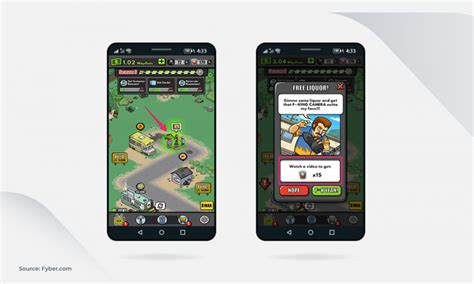
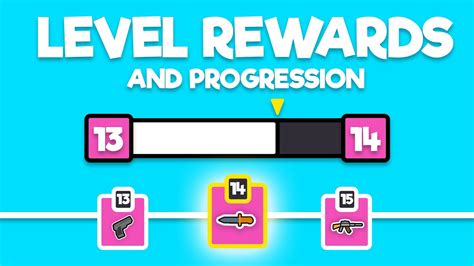
Passive reading or watching is forgettable. Tutorials are most effective when they are interactive mini-missions or challenges where players *perform* the actions being taught. The challenges should be simple, contextual to the game world, and immediately reward the player for success, reinforcing positive behavior and providing a sense of accomplishment.
Avoid abstract instructions. Instead of saying “Tap to attack,” have an enemy appear and prompt the player to tap on it to defeat it. Upon success, offer a small reward or a clear visual cue of progress. This active engagement reinforces learning through practice, making the mechanics intuitive and creating a positive feedback loop that encourages continued play.
Mastering the art of tutorial design is paramount for long-term success in mobile gaming. By prioritizing immediate engagement, delivering information progressively, and ensuring interactive, rewarding experiences, developers can transform a player’s first day from a fleeting visit into the beginning of a lasting adventure. These three tips aren’t just about teaching; they’re about captivating and retaining your audience from the very first tap.