




How to distill complex game mechanics into simple, actionable beginner guide steps?
Explaining intricate game systems to new players is a common challenge for guide writers, developers, and community managers alike. A game’s depth is often its strength, but that same complexity can be an insurmountable barrier for newcomers. Making complex mechanics accessible and understandable is crucial for player retention and long-term engagement. This guide will walk you through the process of simplifying these systems into easy-to-follow, actionable steps for your beginner audience.
Understand Your Audience and Identify the Core Mechanic
Before you even begin writing, put yourself in a beginner’s shoes. New players often lack the established mental models, vocabulary, and contextual understanding that veterans possess. Avoid jargon, assume no prior knowledge, and focus on what they need to know to take their very first steps. The first critical task is to pinpoint the absolute essential function of the mechanic you’re explaining. What is its primary goal? What problem does it solve, or what opportunity does it create?
Stripping away all secondary functions and edge cases will reveal the core. For example, if explaining a crafting system, the core isn’t every possible recipe, but rather ‘combine materials A and B to get item C’.

Deconstruct, Simplify, and Prioritize
Once you’ve identified the core, break the mechanic down into its smallest, most atomic parts. Think of it like disassembling a complicated machine into its individual components. Each component should ideally represent a single, simple concept or action. Don’t explain everything at once. Remove anything that isn’t absolutely essential for initial understanding. Focus on the ‘must-knows’ before you introduce any ‘nice-to-knows’ or advanced strategies.
Prioritize information based on immediate utility. What does the player need to do right now to interact with this mechanic successfully for the first time? Save the nuanced details, advanced optimizations, and ‘meta’ strategies for later, perhaps in an ‘advanced tips’ section or a separate guide.
Leverage Analogies and Visual Aids
Abstract game concepts can be daunting. Connect them to relatable real-world ideas or familiar experiences. “Think of it like building blocks,” or “It’s similar to a skill tree in an RPG.” Analogies create mental shortcuts, making the unfamiliar feel less alien. Visuals are equally, if not more, powerful. Screenshots, flowcharts, diagrams, or even simple iconography can communicate complex relationships and processes far more effectively than paragraphs of text.

A well-placed image showing the UI elements, the required inputs, or the expected outputs can clarify ambiguities instantly. Remember, your image anchors should suggest these types of helpful visuals.
Structure for Sequential Learning and Scaffolding
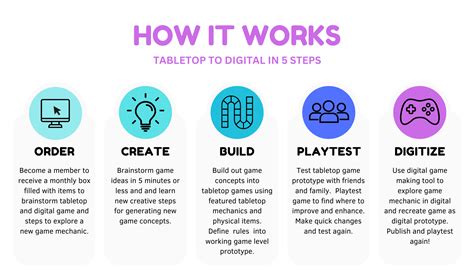
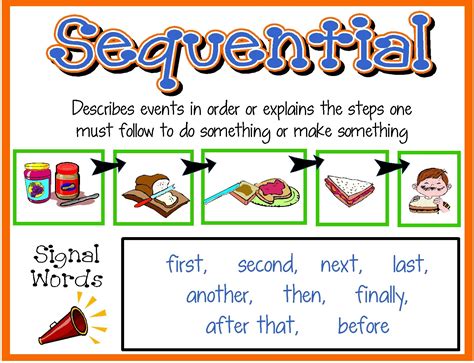
Present information in a logical, step-by-step progression. This is known as ‘scaffolding’ – building new knowledge upon previously learned concepts. Start with basic inputs and their immediate, observable outputs. Gradually introduce dependencies, prerequisites, and how the mechanic interacts with other systems. Each step should naturally lead to the next, building complexity incrementally without overwhelming the reader.
Use clear headings, bullet points, and numbered lists to guide the reader through the process. A typical structure might be: 1. Prerequisites, 2. How to activate/initiate, 3. What inputs are needed, 4. What is the immediate outcome, 5. Next steps/follow-up actions.
Encourage Practice and Reinforce the “Why”
Don’t just explain; prompt action. A good beginner guide isn’t just a manual; it’s a tutorial. Suggest specific in-game tasks or scenarios where the player can immediately apply what they’ve learned. “Now, try casting your basic attack ability on that training dummy.” Practical application solidifies understanding and builds muscle memory.
Furthermore, explain the purpose or benefit of mastering the mechanic. Why is it important for the player’s success or enjoyment? What opportunities does it unlock? Understanding the ‘why’ provides motivation and context, making the learning process more meaningful.
Distilling complex game mechanics into simple, actionable steps is an iterative process. It requires empathy for the beginner’s perspective, rigorous deconstruction of the mechanic, clear and concise communication, and a focus on practical application. By following these principles, you can transform intimidating systems into engaging learning experiences, empowering new players to confidently dive into the richness of your game.