



What F2P gacha mechanics signal predatory design to avoid burnout?

The Allure and the Hidden Hooks of Gacha Games
Free-to-Play (F2P) mobile games, particularly those incorporating gacha mechanics, have become a dominant force in the gaming industry. Their appeal lies in offering immediate access to engaging experiences without an upfront cost. However, beneath the surface of free entertainment often lies complex monetization strategies designed to encourage continuous spending. For many players, this can lead to a cycle of overspending, frustration, and ultimately, severe burnout. Recognizing the predatory mechanics embedded in some gacha systems is the first step towards a healthier relationship with these games.

Identifying Red Flags: Predatory Gacha Mechanics
While not all monetization is inherently bad, certain design choices actively exploit psychological vulnerabilities. Here are some of the most prominent:
- Exaggerated Scarcity and Time-Limited Offers: Constantly introducing highly desirable, powerful, or aesthetically pleasing characters/items for a very brief period creates intense Fear Of Missing Out (FOMO). This pressure often leads players to spend impulsively, believing they might never get another chance. The scarcity is frequently artificial, designed purely to drive immediate revenue spikes.
- Opaque Drop Rates and Pseudo-Randomness: While many games disclose drop rates, the true odds can still be misleading. Some systems employ ‘pity timers’ (guaranteed rare item after X pulls), but others are designed to make players feel perpetually ‘close’ to a big win, encouraging just one more pull. The lack of true transparency regarding the underlying probability distribution can mask how unlikely it is to get what you want without significant investment.
- Manipulative Energy/Stamina Systems: These systems cap how much a player can engage with the game without waiting or paying. While seemingly a retention tool, when combined with high demands for progress, it subtly pressures players to buy refills to continue playing, often during peak engagement times. This artificial barrier to play quickly turns into a paywall for progression.

- Excessive Grinding and Progression Walls: Games that demand an inordinate amount of repetitive tasks to progress, especially after an initial rapid advancement period, are often creating ‘grind walls’. These walls are designed to become so tedious and time-consuming that paying to bypass them (e.g., buying experience boosts, materials, or even characters) becomes the more appealing, albeit expensive, option.
- Constant Power Creep: A frequent strategy is to continuously release new characters or items that are incrementally more powerful than previous ones. This invalidates prior investments and pressures players to keep spending to remain competitive or relevant within the game’s ecosystem, leading to an endless chase for the ‘meta’.
- Bundles and Multiple Currencies: Overly complex in-game economies with multiple premium currencies and enticing ‘value bundles’ make it difficult for players to accurately track their spending. The bundles often seem like a good deal but encourage larger purchases than intended, making cost-benefit analysis a challenge.

The Burnout Cycle and Its Impact
When these predatory mechanics converge, they create a perfect storm for player burnout. The constant pressure to spend, the frustration of bad luck, the feeling of being left behind, and the repetitive grind all contribute to a toxic gaming environment. Players can feel exploited, exhausted, and disillusioned, often leading them to abandon the game entirely, sometimes after significant financial investment.
Protecting Yourself and Promoting Ethical Gaming
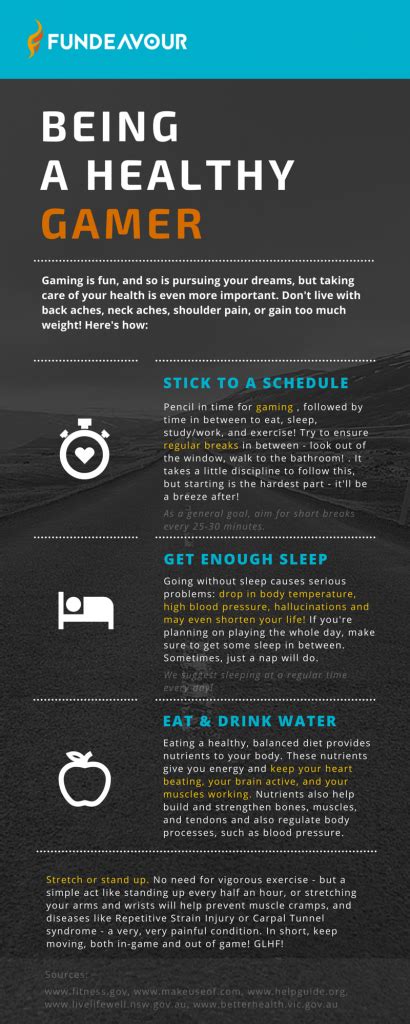
Awareness is your strongest defense. Here’s how to mitigate the risks:
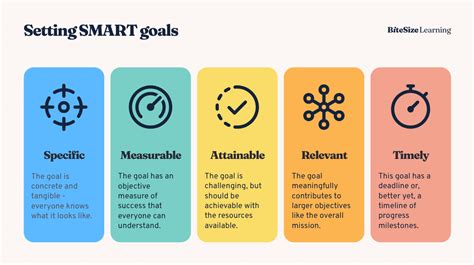
- Set Spending Limits: Decide on a strict budget for gacha games and stick to it. Treat it as entertainment, not an investment.
- Research Before You Commit: Look up reviews, community feedback, and detailed analysis of a game’s monetization model before diving deep.
- Be Wary of FOMO: Recognize when a game is trying to manipulate you with time-limited offers. Most ‘must-have’ items eventually return or become less essential.
- Prioritize Fun Over Perfection: It’s okay not to have every top-tier character or item. Enjoy the game at your own pace without succumbing to the pressure of the ‘meta’.
- Recognize the Signs of Addiction: If you find yourself spending more than you can afford, feeling anxious about missing out, or neglecting real-life responsibilities due to a game, seek help.

Ultimately, a healthy F2P gacha experience depends on both player vigilance and game developers committing to ethical design. By understanding the signals of predatory design, players can make informed choices, avoid burnout, and advocate for more player-friendly monetization practices across the industry.