

What F2P gacha red flags indicate predatory mechanics to avoid?
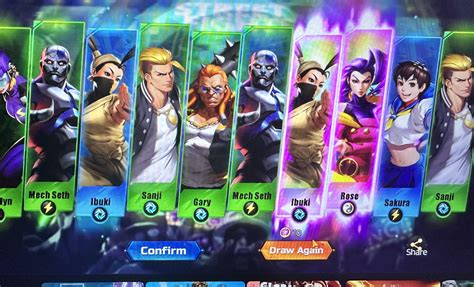
Free-to-Play (F2P) gacha games have become a dominant force in the mobile and PC gaming markets, offering compelling gameplay loops and often high-quality production values. However, beneath the surface of engaging mechanics and vibrant characters, some titles employ predatory monetization strategies designed to extract maximum revenue, often at the expense of player well-being. Recognizing these red flags is essential for players to make informed choices and avoid falling into exploitative loops.
Aggressive Monetization & Progression Walls
A primary indicator of predatory gacha design is an overt focus on pushing players towards spending real money. This often manifests in several ways:
- Aggressive Energy Systems: Games that severely limit playtime through energy or stamina systems, only to offer costly recharges, are trying to monetize engagement. While some energy systems are benign, those that offer minimal free play before hitting a wall are suspect.
- Grinding for Scraps: If progression becomes painstakingly slow, requiring hundreds of hours of repetitive grinding for minimal upgrades unless you spend, it’s a design intended to frustrate players into buying boosts or resources.
- Constant Pop-ups and Bundles: An unending barrage of limited-time offers, pop-ups upon login, and “exclusive” bundles that constantly badger you to spend indicate a desperate push for monetization over player experience.

Opaque Gacha Rates and Misleading Odds
The gacha system itself is a known psychological lever, but some implementations cross into predatory territory:
- Extremely Low or Undisclosed Rates: If a game boasts incredibly low chances for desirable items (e.g., less than 1%) without a clear “pity” system, or worse, completely hides its drop rates, it’s a massive red flag. Transparency is key to fairness.
- Lack of a Pity System: A “pity” timer guarantees a rare item after a certain number of pulls. Games without any pity mechanism mean players could theoretically spend thousands without ever getting what they want, akin to pure gambling.
- “Whale Bait” Mechanics: Constantly introducing new, increasingly overpowered characters or items that render older units obsolete, compelling “whales” (high-spending players) to constantly chase the new meta.
Psychological Manipulation and Fear of Missing Out (FOMO)
Predatory gacha games often leverage psychological tactics to encourage spending and addiction:
- Limited-Time Banners and Offers: While common, an excessive number of short-lived, high-value banners for essential characters or items creates intense FOMO, pressurizing players to spend now or miss out forever.
- Daily Login Streaks for Premium Currency: Locking significant amounts of premium currency behind unbroken daily login streaks can create a sense of obligation and anxiety, forcing players to play even when they don’t want to.
- Social Pressure and Leaderboards: Games that heavily emphasize competitive leaderboards or guild mechanics where spending provides a clear, overwhelming advantage can create social pressure to spend to keep up with friends or competitors.
Severe Pay-to-Win (P2W) Imbalance
While many F2P games offer advantages for spending, predatory ones make essential progression or competitive viability almost impossible without it:
- Characters or Items Essential to Progress Locked Behind Gacha: If the only way to clear certain content or compete effectively is by acquiring specific, rare gacha pulls, the game is demanding payment for basic functionality.
- Massive Power Gaps: A chasm-like power difference between free-to-play and paying players that makes meaningful competition or collaboration impossible without spending.
- “Pay-for-Convenience” Becomes Mandatory: Features initially presented as optional conveniences (like auto-battle tickets or increased inventory space) become effectively mandatory for even basic progression.

Poor Player Experience and Lack of F2P Content
Beyond direct monetization, a predatory game often shows its true colors through its overall development focus:
- Endless, Mindless Grinding: Content designed purely to consume time without offering meaningful rewards or new gameplay, pushing players to buy skips or resources.
- Neglect of F2P Content in Favor of New Banners: If the primary “new content” consists solely of new gacha banners and characters, with little to no new storylines, game modes, or free progression paths, the game is signaling its priority is revenue extraction.
- Unaddressed Bugs and Poor Support: A lack of commitment to fixing game-breaking bugs or providing adequate customer support, especially for F2P players, suggests a developer whose priority lies elsewhere than player satisfaction.
Conclusion: Play Smart, Not Exploited
Understanding these red flags empowers players to distinguish between fairly monetized F2P games and those designed to exploit. A truly enjoyable F2P gacha game provides a fulfilling experience for all players, regardless of spending habits, while offering enticing but non-essential options for those who wish to support the developers. By recognizing the warning signs, you can choose to support games that respect your time and wallet, fostering a healthier gaming ecosystem.