




For new game players, what essential “first 15 minutes” content belongs in a beginner guide?

The Critical First 15 Minutes: Crafting an Unforgettable Onboarding Experience
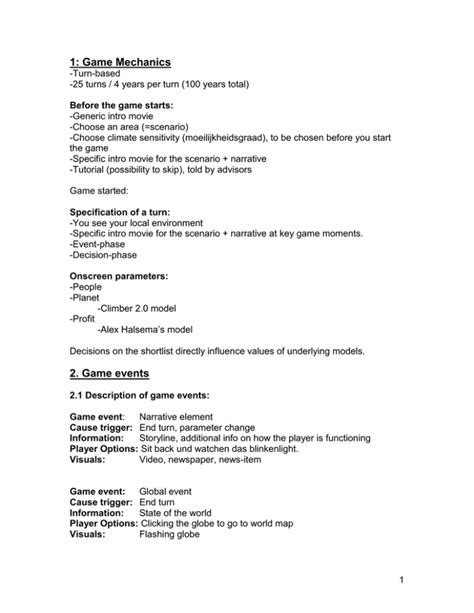
For any new player diving into a game, the initial 15 minutes are paramount. This brief window isn’t just about teaching mechanics; it’s about capturing imagination, establishing the game’s identity, and ensuring the player feels capable and excited to continue. A well-designed beginner guide for this crucial period must be concise, impactful, and intuitive, laying a solid foundation without overwhelming.

1. Master the Controls: Movement & Basic Interaction
Before anything else, players need to understand how to move and interact with the game world. This should be introduced gradually, preferably through in-game prompts rather than a wall of text. Focus on the absolute essentials: how to walk/run, look around, and perform the primary interaction (e.g., click, use, attack). Keep it simple, with immediate opportunities to practice each command. A quick, guided movement sequence or a simple ‘pick up item’ task works wonders.
2. Demystify the User Interface (UI) & HUD
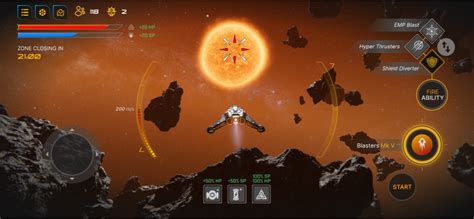
A cluttered or confusing UI can be a significant barrier. The beginner guide must explain the most critical elements of the Heads-Up Display (HUD) and user interface within the first few minutes. Point out health/stamina bars, mini-map, current objective display, and perhaps a quick view of basic inventory slots. Don’t explain everything; focus on what’s immediately relevant to their survival and progression, highlighting these elements as they become necessary.
3. Your First Objective: A Clear, Attainable Goal
New players need direction. Provide a very clear, short-term objective that can be completed within minutes. This could be “Find the village elder,” “Gather 3 berries,” or “Defeat the training dummy.” Success in this initial task builds confidence and reinforces the core gameplay loop. It gives purpose to their newly learned controls and UI knowledge.
4. Introducing Core Mechanics & The Gameplay Loop
What is the game about? The first 15 minutes should give a taste of the primary activities. If it’s an RPG, maybe a simple combat encounter or a basic quest dialogue. If it’s a puzzle game, the first very simple puzzle. Introduce one or two core mechanics (e.g., crafting, basic combat, resource gathering) in a safe, controlled environment. Show, don’t just tell, how these mechanics contribute to the overall experience.
5. Early Success & Safety Nets
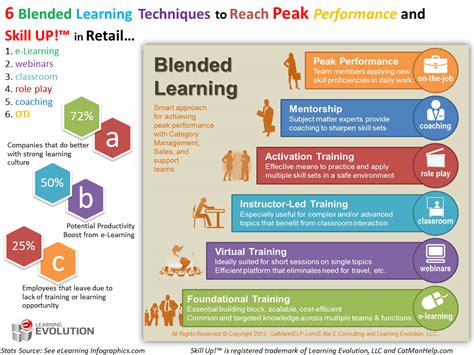
New players are prone to mistakes. Design the early experience to be forgiving. Include mechanisms for early success, perhaps by giving them powerful starting gear for a trivial enemy, or ample health potions. Introduce basic safety nets like respawn points close by, simple healing mechanics, or clear indicators of danger. The goal is to make them feel powerful enough to explore without fear of constant frustration or premature failure.
6. A Glimpse of What’s to Come (Without Overwhelming)
While focusing on immediate essentials, it’s also beneficial to offer a small peek into the game’s larger world or deeper systems. This could be a distant impressive landmark, a brief encounter with a powerful character, or a mention of future abilities. This glimpse should serve as an exciting promise, not a complex explanation, motivating players to delve deeper without feeling intimidated by future complexity.

Conclusion: The Foundation of Long-Term Engagement
The “first 15 minutes” content in a beginner guide is more than just a tutorial; it’s the game’s first impression. By prioritizing clear controls, understandable UI, immediate objectives, core mechanics, early successes, and a tantalizing glimpse of the future, developers can transform a potentially overwhelming experience into an engaging, confidence-building adventure that encourages players to stay and explore all the game has to offer.