




What’s the best way to vet quality indie hidden gems across all platforms?

The Overwhelming Indie Landscape
The independent game development scene is a vibrant, ever-expanding universe, brimming with creativity and innovation. From narrative-driven adventures to pixel-perfect platformers and mind-bending puzzle games, indie developers are constantly pushing the boundaries of interactive entertainment. Yet, this very abundance presents a challenge: how does one sift through the sheer volume of new releases across Steam, Itch.io, PlayStation Store, Nintendo eShop, and Xbox Marketplace to discover those truly exceptional, quality hidden gems? It’s a task that requires a multi-faceted approach, combining community insight, critical analysis, and a keen eye for potential.
Leveraging Specialized Platforms and Storefronts
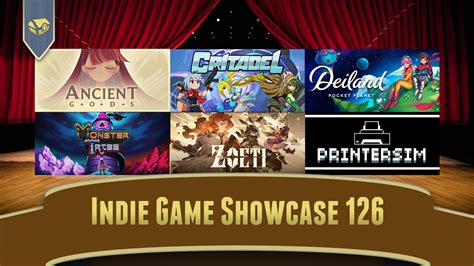
Each platform has its own ecosystem for indie discovery. Steam, for instance, offers tags, curated lists, and the powerful “Discovery Queue” algorithm, which can be tailored to your preferences. However, its sheer size often buries smaller titles. Itch.io is a goldmine for experimental and unique games, often featuring developer blogs and detailed project pages; it’s a platform where developers have more direct control over their presence. Console storefronts, while often less comprehensive in their filtering options, frequently feature “Indie Spotlight” sections or curated sales that can highlight quality titles. GOG.com, with its DRM-free philosophy, often hosts a smaller but more curated selection of excellent indie games, many of which are classics or highly acclaimed.
Following Trusted Curators and Critics
One of the most efficient ways to cut through the noise is to rely on the expertise of others. Seek out game journalists, YouTubers, streamers, and bloggers who specialize in independent games. Many content creators dedicate themselves to unearthing lesser-known titles and providing honest, in-depth reviews. Look for curators on Steam or follow dedicated indie game publications. Websites like Rock Paper Shotgun, Eurogamer, and Polygon often feature excellent indie coverage, as do more niche sites focused solely on independent development. Engaging with these trusted voices can quickly point you towards promising prospects and save you time.
Engaging with Community Discussions
Online communities are invaluable resources for hidden gem discovery. Subreddits like r/IndieGaming, r/gamingsuggestions, and platform-specific communities (e.g., r/NintendoSwitch, r/PCGaming) are bustling with players eager to share their latest finds and solicit recommendations. Discord servers dedicated to indie games or specific genres can also be highly effective. These communities often feature passionate members who have a knack for spotting quality before it hits mainstream recognition. Pay attention to threads discussing “underrated games” or “games you wish more people knew about.”
Utilizing Demos, Early Access, and Game Passes
Before committing to a purchase, always check for a demo. Many indie developers offer free demos on their game pages, allowing you to get a feel for the gameplay, art style, and overall polish. This firsthand experience is often the best indicator of quality. Similarly, if a game is in Early Access, observe how actively the developers communicate with their community and how frequently they update the game. A transparent and responsive development team is a good sign. Furthermore, subscription services like Xbox Game Pass, PlayStation Plus Extra, or Nintendo Switch Online (with its N64/SNES libraries) frequently include a rotating selection of excellent indie titles, offering a low-risk way to try out numerous games.

Critical Indicators of Quality
Beyond community recommendations, several red flags and green lights can help you vet a game:
- User Reviews: While not infallible, overwhelmingly positive reviews (especially with detailed comments) on platforms like Steam or Metacritic are a strong indicator. Look for recurring themes in the praise or criticism.
- Developer Transparency & Communication: A developer actively engaging with their community, providing regular updates, and being open about their development process often signifies a dedication to quality and player satisfaction.
- Art Style and Concept: Does the game’s visual design stand out? Is the core concept unique and compelling? While graphics aren’t everything, a distinct art style and an intriguing premise can often hint at a well-thought-out game.
- Awards and Recognition: Has the game won any indie awards (e.g., IGF, The Game Awards’ “Best Independent Game”) or been featured in prominent gaming events? This can be a strong endorsement.
- Cohesive Vision: A truly great indie game often has a clear, cohesive vision where all its elements – gameplay, story, art, sound – work together harmoniously.

Conclusion
Finding quality indie hidden gems across the myriad of platforms is an art form that blends research, community engagement, and personal discernment. By strategically utilizing specialized platforms, listening to trusted voices, participating in vibrant online communities, taking advantage of demos and game passes, and critically evaluating games based on key indicators, you can significantly improve your chances of unearthing those unforgettable experiences that often go unnoticed by the mainstream. Dive in, explore, and enjoy the rich tapestry of independent gaming!