



For game how-tos, how do we balance detail with immediate, actionable beginner steps?

Navigating the Beginner’s Journey: Detail vs. Action in Game How-Tos
Creating compelling game how-to guides presents a unique challenge: how do we arm new players with essential knowledge without overwhelming them with an avalanche of detail? The goal is to onboard beginners smoothly, providing immediate, actionable steps that build confidence, while subtly laying the groundwork for deeper understanding and complex mechanics. It’s a tightrope walk between comprehensive instruction and engaging, accessible guidance.

Understanding the Beginner’s Mindset
New players often come to a game with a mix of curiosity and trepidation. They crave quick wins, immediate progress, and a clear path forward. What they don’t need, initially, is an exhaustive encyclopedia of lore, advanced strategy, or every obscure mechanic. Their primary questions are: “How do I start?” “What do I do next?” and “How do I achieve this basic goal?” Effective how-tos cater to this mindset by prioritizing clarity, conciseness, and direct instruction over exhaustive exposition.
The “On-Ramp” Approach: Action First, Detail Later
One of the most effective strategies is to treat your guide as an “on-ramp” to the game. Start by getting players into the action as quickly as possible, giving them concrete tasks they can perform immediately. Think of it as a guided tour where they interact with the environment rather than just reading about it.
Start with a Single, Clear Objective
Avoid presenting a list of concepts upfront. Instead, give them one thing to do, explain how, and let them execute it. For example, instead of “Learn about movement controls (WASD) and objectives (quest markers),” combine it: “Press ‘W’ to move forward. Follow the glowing path to your first quest objective.” This integrates learning with doing.
Break Down Complex Tasks
Any multi-step process should be deconstructed into its simplest, most sequential components. If crafting an item involves gathering, opening a menu, selecting a recipe, and confirming, present these as distinct, numbered steps. Each step should be a single, unambiguous action.

Layered Learning: Progressive Disclosure of Information
Not all information is equally important at every stage. Implement a layered approach where essential mechanics are introduced first, with more advanced or optional details progressively disclosed as the player gains experience. This prevents information overload and allows players to absorb concepts at their own pace.
Essential Mechanics First
Focus strictly on what a player absolutely needs to know to navigate the first 10-15 minutes of gameplay. This includes core movement, basic interaction, and the objective of their immediate task. Anything beyond this can be deferred.
Optional or Advanced Details Later
Once fundamental concepts are grasped, you can introduce advanced tactics, customization options, or deeper lore. Use distinct sections like “Pro Tips,” “Advanced Strategies,” or even link to separate, more comprehensive guides. This gives curious players a path to explore without forcing it on beginners.

Emphasize Actionable Language and Visual Aids
The language used in how-to guides is critical. It should be direct, imperative, and unambiguous. Paired with strong visuals, it creates a powerful instructional tool.
Use Imperative Verbs
Phrases like “Click this,” “Press X,” “Go here,” or “Interact with the object” leave no room for misinterpretation. Avoid passive voice or overly descriptive prose when explaining actions.
Leverage Visuals Extensively
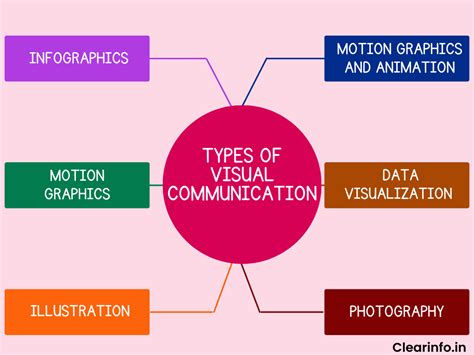
Screenshots, diagrams, and short animated GIFs (if the platform allows for them) are invaluable. Showing a player exactly where to click, which button to press, or what an enemy looks like is far more effective than a paragraph of text. Visuals can bridge the gap between abstract instruction and concrete action.
The Feedback Loop and Practice
Effective learning requires practice and immediate feedback. Encourage players to perform each step as they read it. If possible, design guides that can be used alongside the game itself. Providing small, achievable “challenges” within the guide (e.g., “Now, try collecting five of these items”) reinforces learning and builds skill.
Striking the Right Balance: An Iterative Process
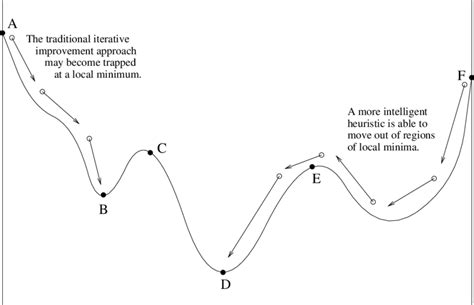
Finding the perfect equilibrium between detail and action is rarely achieved in a single draft. It’s an iterative process that benefits from testing and feedback. Have actual beginners read and follow your guide. Observe where they get stuck, where they skip details, or where they feel overwhelmed. Adjust the guide accordingly, always keeping the player’s immediate needs and learning curve at the forefront.
Ultimately, the most successful game how-tos don’t just instruct; they empower. By prioritizing actionable steps and strategically layering information, we can craft guides that not only teach players how to play but also inspire them to explore and master the game on their own terms.