




How to effectively use game ratings (ESRB/PEGI) to pick safe, fun games?

Navigating the vast world of video games for your children can feel like a daunting task. With countless titles vying for attention, how do you ensure the games your kids play are not only fun but also safe and age-appropriate? The answer lies in effectively utilizing game rating systems like the Entertainment Software Rating Board (ESRB) in North America and the Pan European Game Information (PEGI) across Europe.
Understanding Game Rating Systems: ESRB and PEGI
These two prominent systems serve as invaluable tools for parents, offering insights into a game’s content before purchase or play. They don’t judge a game’s quality, but rather provide a snapshot of its suitability for different age groups based on its themes, language, violence, and other potentially sensitive material.
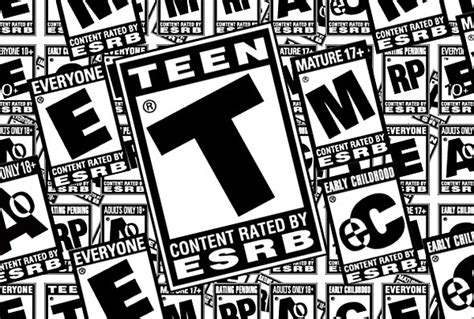
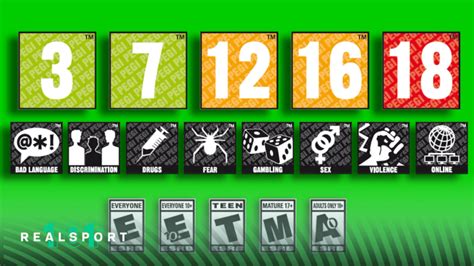
The ESRB, primarily used in the U.S. and Canada, assigns a rating category (e.g., E for Everyone, T for Teen, M for Mature) along with content descriptors that detail specific elements found within the game. PEGI, on the other hand, uses age labels (e.g., 3, 7, 12, 16, 18) and a similar system of content descriptors.
Decoding the Ratings: Age Categories and Content Descriptors
Simply looking at the age rating isn’t enough; the real power lies in the content descriptors. These small icons or phrases offer detailed explanations for why a game received a particular rating.
Age Categories: A First Glance
- ESRB:
- EC (Early Childhood): Ages 3+ (educational)
- E (Everyone): Ages 6+ (minimal cartoon violence, mild language)
- E10+ (Everyone 10+): Ages 10+ (more fantasy violence, mild suggestive themes)
- T (Teen): Ages 13+ (violence, suggestive themes, crude humor, infrequent strong language)
- M (Mature): Ages 17+ (intense violence, blood and gore, sexual content, strong language)
- AO (Adults Only): Ages 18+ (prolonged graphic violence, explicit sexual content)
- PEGI:
- PEGI 3: Suitable for all ages
- PEGI 7: More fantasy violence or scary elements
- PEGI 12: Mild violence to human characters, sexual innuendo, gambling
- PEGI 16: Realistic violence, sexual activity, promotion of drugs/tobacco
- PEGI 18: Extreme violence, explicit sexual content, glamorization of illegal drugs
Content Descriptors: The Detailed Picture
Both systems use descriptors to specify the type of content. For example, an ESRB “T” rated game might have “Fantasy Violence,” “Mild Language,” and “Suggestive Themes,” while a PEGI 12 game might show “Violence” and “Bad Language.” Always check these descriptors as they paint a much clearer picture of what your child will encounter. A game rated “T” for “Fantasy Violence” is very different from a “T” game for “Drug Reference” or “Partial Nudity.”
Beyond the Label: Practical Tips for Parents
Ratings are a crucial starting point, but proactive parenting takes game selection further.
- Research is Key: Don’t just rely on the box. Read online reviews from reputable gaming sites, watch gameplay videos on YouTube, or even try out a demo if available.
- Play Together: The best way to understand a game is to play it yourself or alongside your child. This allows for direct observation and creates opportunities for discussion.
- Open Communication: Talk to your children about the games they want to play. Ask them what they enjoy, what they find challenging, and how certain content makes them feel.
- Set Clear Boundaries: Establish rules around game content, playtime, and appropriate behavior. Stick to these boundaries consistently.
- Utilize Parental Controls: Most modern gaming consoles, PCs, and mobile devices offer robust parental control settings that allow you to restrict games by rating, manage screen time, and control online interactions.

Why Ratings Matter for Safe and Fun Gaming
Using game ratings effectively goes beyond simply preventing exposure to inappropriate content. It’s about fostering a healthy and positive relationship with gaming for your children. When games are age-appropriate, children are more likely to understand the narratives, engage with suitable challenges, and develop skills without encountering material that could be confusing, disturbing, or promote unhealthy behaviors.
Ignoring ratings can lead to children being exposed to themes they’re not ready for, potentially causing anxiety, desensitization, or confusion. Conversely, a well-chosen game can enhance problem-solving skills, encourage creativity, and even foster social connections.

Conclusion
Game rating systems like ESRB and PEGI are powerful allies for parents in the digital age. By taking the time to understand their nuances – both the age categories and the vital content descriptors – and combining this knowledge with active research, communication, and parental controls, you can confidently navigate the world of video games. This empowers you to select safe, engaging, and genuinely fun experiences that contribute positively to your child’s development and enjoyment.