




How to pick age-appropriate cozy family games for mixed skill levels?

Creating Unified Family Fun
Family game night is a cherished tradition in many households, offering a wonderful opportunity for bonding, laughter, and a break from screens. However, finding the right game can often feel like a puzzle in itself, especially when dealing with a wide range of ages and varying skill levels. The quest for a “cozy” game – one that fosters togetherness without intense competition or overly complex rules – adds another layer to the challenge. This guide will help you navigate the vast world of family games to pick those that perfectly fit your unique family dynamic.

Understanding “Cozy” & Age-Appropriateness
First, let’s define what makes a game “cozy” for a family setting. Cozy games typically prioritize comfort, engagement, and shared experience over cutthroat competition. They often feature charming themes, straightforward rules, and a focus on collaboration or gentle rivalry. The goal isn’t just to win, but to enjoy the process together.
Age-appropriateness is critical. Game manufacturers provide age ratings, which are a good starting point, but consider your children’s individual developmental stages:
- Cognitive Abilities: Can they grasp the rules, remember details, and strategize?
- Attention Span: Will the game hold their interest for its entire duration?
- Reading Skills: Is the game text-heavy, or can younger players participate with help?
- Emotional Maturity: How do they handle winning and losing? Cozy games often soften the blow of defeat.
Trust your knowledge of your family. A 6-year-old might be ready for a “10+” game, or an older teen might prefer simpler, lighter fare on a relaxed evening.

Bridging the Skill Gap: Strategies for Mixed Levels
This is often the trickiest part. How do you keep an experienced gamer teen engaged while ensuring a younger sibling or less experienced parent doesn’t feel overwhelmed or left behind? Several game mechanics and approaches can help:
1. Embrace Cooperative Games
Cooperative games are the ultimate equalizer. Everyone plays together against the game itself, fostering teamwork and shared victories (or losses). This eliminates competitive friction and allows experienced players to subtly guide newcomers without “playing for” them. Excellent cozy cooperative options include Forbidden Island, Flash Point: Fire Rescue, Pandemic: Hot Zone, or even simpler titles like Outfoxed! for younger children.
2. Games with Scalable Difficulty or Simple Rules, Deep Strategy
Some games offer adjustable difficulty, allowing you to tailor the challenge. Others have rules that are easy to learn, but strategy that is complex to master. This means new players can immediately participate and make meaningful choices, while veterans can explore deeper tactics. Examples include Ticket to Ride (easy rules, strategic route planning), Azul (simple tile drafting, deep scoring strategy), or Splendor (straightforward engine building).
3. Elements of Luck
A degree of luck can level the playing field, giving less skilled players a chance against more experienced opponents. Games involving dice rolls, card draws, or hidden information can introduce unpredictable elements that keep everyone on their toes.
4. Team-Based Play
For some competitive games, forming teams (e.g., adult with child) can balance the skill disparity and turn individual competition into shared team strategy.

Beyond the Box: Key Selection Factors
Once you’ve considered age and skill level, think about these practical aspects:
- Play Time: Short and sweet games (30-60 minutes) are often best for mixed groups and shorter attention spans.
- Complexity of Rules: Look for games with concise rulebooks and intuitive gameplay. Nothing kills a game night faster than spending an hour learning intricate rules.
- Theme: Choose a theme that resonates with everyone. Whimsical, nature-focused, or adventure themes are often universally appealing.
- Player Count: Ensure the game comfortably accommodates your family size.
- Replayability: Will the game feel fresh after multiple plays, or will it quickly become stale?
Making Game Night a Success
Even with the perfect game, the right atmosphere is key:
- Set Expectations: Remind everyone that the goal is fun and togetherness, not just winning.
- Teach Clearly: Explain rules patiently, using examples. Don’t rush or assume prior knowledge.
- Be Patient: Especially with younger or newer players. Offer gentle guidance without playing for them.
- Focus on Fun: Celebrate good moves, laugh at mistakes, and enjoy the shared experience.
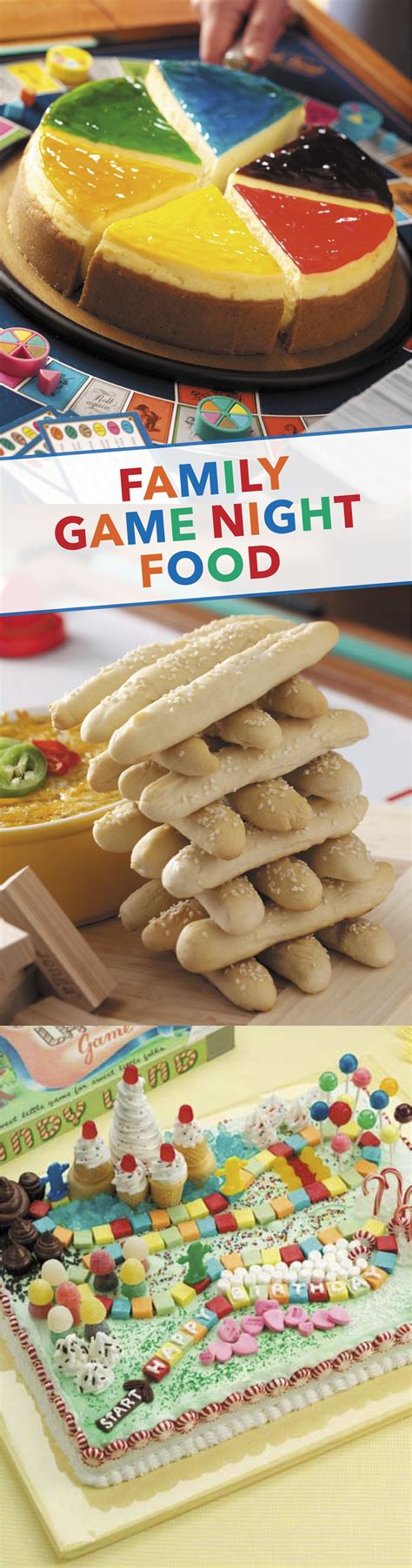
- Snacks & Ambiance: A cozy setting with comfortable seating, good lighting, and some tasty snacks always enhances the experience.
Conclusion
Selecting age-appropriate cozy family games for mixed skill levels doesn’t have to be daunting. By focusing on cooperative play, scalable difficulty, and understanding your family’s unique dynamics, you can curate a collection of games that bring everyone to the table. These shared moments around a game board are more than just entertainment; they’re opportunities for connection, learning, and creating lasting family memories. Happy gaming!