




What cozy family games truly engage both young kids and older teens?

Bridging the Age Gap: The Quest for Universal Family Fun
Finding games that genuinely captivate both a rambunctious six-year-old and a world-weary sixteen-year-old can feel like searching for a mythical creature. The challenge lies in striking a delicate balance: games need to be simple enough for younger players to grasp quickly, yet offer enough strategic depth or intriguing mechanics to keep older teens from zoning out. The good news? Such games exist, and they are the secret ingredient to truly cozy and memorable family game nights.

What Makes a Game Truly Multi-Generational?
The best family games that span a wide age range often share several key characteristics:
- Easy to Learn, Hard to Master: Simple rules allow everyone to jump in quickly, but underlying strategy or variations keep it interesting over multiple plays.
- Engaging Theme or Mechanics: A compelling story, unique components, or clever gameplay can draw in players of all ages.
- Cooperative Elements: Games where everyone works together against the game itself can foster teamwork and reduce competition, making it more inclusive.
- Variable Strategy: Different ways to win or approach the game mean that a young child might focus on simple tactics while a teen explores complex strategies.
- Short Playtime or Adaptability: Games that don’t drag on too long maintain attention, or those with customizable rules to shorten or simplify play.
Top Picks for Engaging All Ages
Cooperative Adventures
Cooperative games are often champions of multi-age play because they eliminate direct competition and encourage teamwork. Everyone wins or loses together, fostering a sense of camaraderie.
- Forbidden Island / Forbidden Desert: Players work together to collect treasures and escape an island or desert before it’s too late. The rules are straightforward, but the strategic decisions are engaging for all.
- Pandemic (Family Edition or standard with guidance): While the full version can be complex, a guided approach or the more accessible “Pandemic: Hot Zone” can be fantastic for working together to cure diseases.
- Codenames Pictures: A fantastic deduction game where two teams compete to guess their words from a grid of images, guided by a single word clue. The visual nature appeals to kids, while the linguistic puzzle challenges teens and adults.

Strategic Fun with Simple Rules
These games offer depth without overly complicated rulebooks, perfect for bridging the gap.
- Ticket to Ride: Collect train cars to claim railway routes across a map. The concept is simple, but blocking opponents and planning routes provides ample strategy. The scoring is clear, and the theme is universally appealing.
- Carcassonne: Players take turns drawing and placing tiles to build a medieval landscape of cities, roads, and monasteries, claiming them with their meeples. It’s easy to learn the basics, but optimizing tile placement and timing your claims offers rich strategic layers.
- Splendor: A quick-to-learn gem-collecting and development game. The tactile feel of the chips and the clear goal of collecting sets make it satisfying for younger players, while the engine-building aspect appeals to older ones.

Party & Dexterity Games
Sometimes, simply being silly or testing physical skills is the best way to get everyone involved.
- Telestrations: A hilarious drawing and guessing game akin to “telephone” with pictures. The worse the drawing, the funnier the outcome. It’s guaranteed laughter for all ages.
- Jenga: A classic dexterity game that requires a steady hand and a bit of nerve. The tension builds with every block removed, keeping everyone on the edge of their seats.
- Concept: A communication game where players try to guess words or phrases by pointing to icons on a universal game board. No artistic skill needed, just clever interpretation, which engages different modes of thinking.

Tips for a Perfect Cozy Game Night
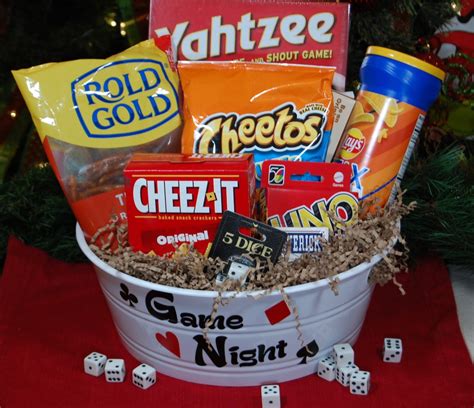
Beyond choosing the right game, creating the right atmosphere is crucial. Dim the lights, put on some background music, and have snacks ready. Encourage open communication and remind everyone that the goal is shared enjoyment, not just winning. Be flexible with rules for younger players if needed, and let the teens take the lead on teaching or strategy sometimes.
Ultimately, the best family games are those that create shared experiences, inside jokes, and lasting memories. By carefully selecting games that bridge the generational gap, you can transform ordinary evenings into extraordinary moments of connection and joy.