


Practical ways to manage kids’ gaming screen time?

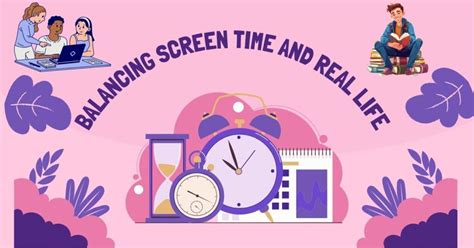
In today’s digital age, video games are an undeniable part of many children’s lives. While they offer entertainment, social connection, and even educational benefits, managing the amount of time kids spend gaming is a common challenge for parents. Striking the right balance is crucial for their physical health, academic performance, and overall well-being. This article will explore practical, effective strategies to help parents navigate gaming screen time successfully.
Understanding the Appeal and the Challenge
Gaming can be incredibly engaging, offering immersive worlds, social interaction with friends, and a sense of accomplishment. This inherent appeal makes it difficult for children to disengage. The challenge for parents lies not in banning games entirely, but in teaching moderation and fostering healthy digital habits that will benefit them long-term.

Set Clear Boundaries and Expectations
The foundation of effective screen time management is clear, consistent rules. Involve your children in creating these rules where appropriate, as this fosters a sense of ownership and responsibility.
- Time Limits: Establish specific daily or weekly time allowances for gaming. Use timers to help kids track their usage.
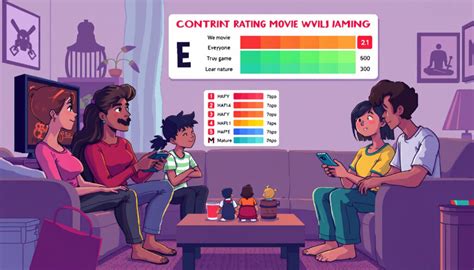
- Content Rules: Discuss and agree upon age-appropriate games. Research game ratings (ESRB, PEGI) and review content before allowing play.
- Location Limits: Designate common areas for gaming, avoiding bedrooms, especially at night. This helps monitor activity and promotes family interaction.
- Screen-Free Times: Implement “no screen” rules during meals, family time, homework, or an hour before bedtime to promote sleep hygiene.

Leverage Parental Control Tools
Many gaming consoles, devices, and operating systems offer robust parental control features. These tools can be invaluable for enforcing your established rules.
- Device Settings: Learn how to set time limits, content filters, and spending restrictions directly on consoles (PlayStation, Xbox, Nintendo Switch), PCs, tablets, and smartphones.
- Router Controls: Some home routers allow you to schedule internet access for specific devices, effectively cutting off gaming access at designated times.
- Third-Party Apps: Explore apps designed to manage screen time across multiple devices, offering centralized control and reporting.

Encourage Alternative Activities
Gaming often fills a void or serves as a default activity. Help your children discover and engage in other hobbies and interests.
- Outdoor Play: Promote physical activity through sports, bike riding, playground visits, or simply exploring nature.
- Creative Pursuits: Encourage art, music, building (LEGOs!), writing, or dramatic play.
- Reading: Foster a love of books by visiting the library, reading together, or providing a variety of engaging reading materials.
- Family Time: Plan board game nights, family walks, cooking together, or other activities that strengthen bonds and offer alternative entertainment.

Lead by Example and Communicate
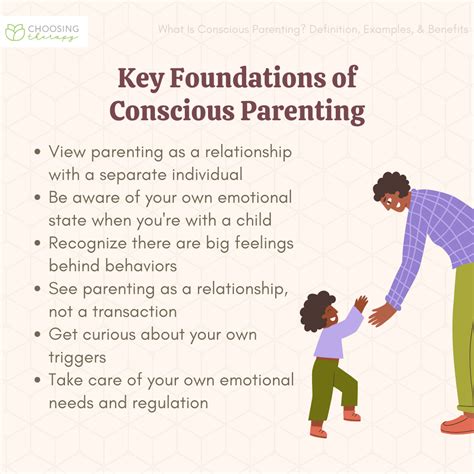
Children learn best by observing. Your own digital habits play a significant role in shaping theirs. Regularly discuss the “why” behind the rules with your children.
- Model Healthy Habits: Be mindful of your own screen usage. Put your phone away during family meals or conversations.
- Talk About Balance: Explain the importance of a balanced lifestyle, including sleep, school, friendships, and physical activity, alongside digital entertainment.
- Listen to Their Perspective: Understand why they enjoy gaming. Acknowledge their feelings, even if you don’t always agree with their desires for more screen time.
- Be Flexible (When Appropriate): While consistency is key, there might be special occasions (e.g., a long weekend, a new game release) where you can temporarily adjust limits. This shows trust and can be a powerful motivator.
Conclusion
Managing kids’ gaming screen time is an ongoing process that requires patience, consistency, and open communication. By setting clear boundaries, utilizing available tools, encouraging a variety of interests, and modeling healthy digital habits, parents can help their children develop a balanced and responsible relationship with technology. The goal isn’t to eliminate gaming, but to integrate it healthily into a fulfilling life.