




What red flags signal a low-effort indie game, saving me time?

The independent game scene is a vibrant ecosystem, teeming with innovation, creativity, and passion projects. However, for every hidden gem that captivates players, there are countless others that fall short, signaling a low-effort development cycle. Navigating this vast landscape can be time-consuming and frustrating, especially when you invest precious hours into a game that quickly reveals its shallow depths. Identifying these red flags early on is crucial for discerning players looking to maximize their gaming enjoyment and save their valuable time.
Visual Cues and Asset Reuse
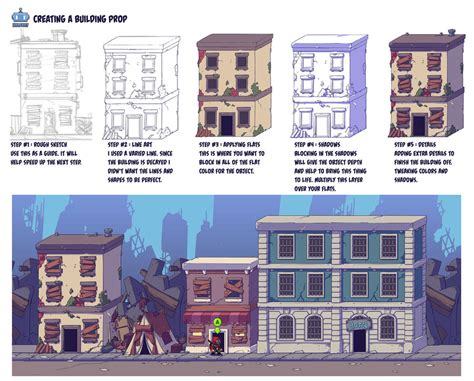
One of the most immediate indicators of a potentially low-effort indie game often lies in its visuals. While unique art styles are a hallmark of indie development, generic or inconsistent aesthetics can be a warning sign. Look for games that heavily rely on standard, unmodified store-bought assets without any attempt to integrate them cohesively or add a distinct artistic touch. An inconsistent art style, where some elements look highly polished and others appear crude or mismatched, can suggest a rushed or fragmented development process. Similarly, a bland or uninspired user interface (UI) and user experience (UX) often indicates a lack of attention to detail, which typically extends to other areas of the game.
Shallow Gameplay and Repetitive Loops
Beyond the surface, the core gameplay mechanics are where low-effort games truly falter. A common red flag is a game that promises depth but delivers only repetitive, uninspired loops without meaningful progression or variation. If the initial hours feel like a grind with no new mechanics introduced, or challenges boil down to simple number increases rather than strategic thinking, it’s likely a shallow experience. Poor controls, clunky movement, or unclear objectives further detract from engagement. Be wary of games that heavily market a single, novel mechanic but fail to build a compelling experience around it, often resulting in a “one-trick pony” that quickly loses its appeal.
Technical Instability and Lack of Polish
Technical performance is a non-negotiable aspect of a quality game, regardless of its budget. Low-effort indie titles often launch with a noticeable lack of polish, manifesting as frequent bugs, glitches, performance issues like low frame rates, or even crashes. While small bugs can be expected, pervasive or game-breaking issues indicate insufficient testing and quality assurance. A game that feels unoptimized, with long loading times or poorly implemented features, suggests that the developers either didn’t have the time, resources, or dedication to ensure a smooth player experience. Always check recent reviews for mentions of stability and performance problems.
Developer Engagement and Communication
The indie community thrives on interaction between players and developers. A significant red flag is a lack of communication or engagement from the development team, especially for games in Early Access or those that have recently launched. Unanswered questions, a dead forum, or a lack of meaningful updates for an extended period can signal an abandoned project or a team unwilling to address player feedback. While developers can be busy, a complete radio silence often suggests a disinterest in the game’s longevity or community satisfaction. Conversely, generic, non-committal responses without concrete action plans can also be a warning sign.

Misleading Store Pages and Marketing
The game’s store page is its first impression, and low-effort titles often exhibit specific traits here. Look for vague descriptions that promise grand features without concrete details, or a disproportionate emphasis on a single, minor aspect. Scrutinize screenshots and trailers: do they accurately represent the gameplay, or are they highly curated to hide shortcomings? Beware of trailers that are mostly cinematics with little actual gameplay footage. Furthermore, a scarcity of positive, detailed reviews, or a history of “asset flip” accusations in user comments, should raise immediate concerns. Always cross-reference with gameplay videos from independent reviewers or streamers before committing.

Conclusion: Play Smart, Not Hard
While the allure of finding the next breakout indie hit is strong, a discerning eye can save you from countless hours of frustration. By paying attention to visual consistency, gameplay depth, technical polish, developer engagement, and the sincerity of marketing materials, you can significantly improve your chances of identifying and sidestepping low-effort indie games. This allows you to spend more time enjoying the true hidden gems that genuinely respect your time and passion for gaming.