



How do top game guides make complex initial mechanics easy for new players to grasp?
The Initial Hurdle: Why Complex Mechanics Are Challenging
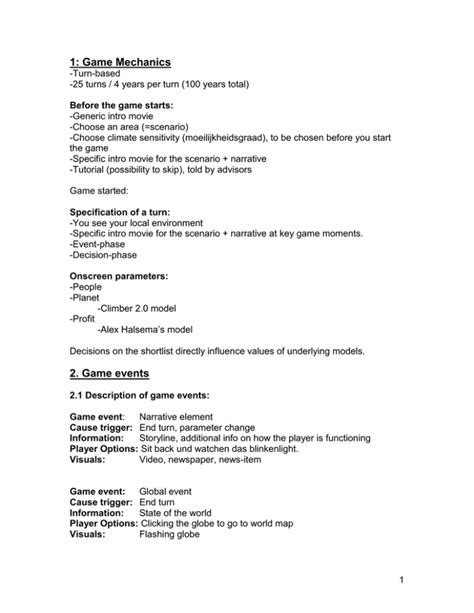
New video games, especially those in genres like RPGs, strategy, or simulations, often greet players with a barrage of unfamiliar systems, controls, and terminology. For a fresh recruit, this initial complexity can be overwhelming, leading to frustration and even abandonment. This is where top-tier game guides become indispensable. They don’t just list features; they act as a bridge, transforming dense information into easily digestible knowledge. But how do they achieve this seemingly magical feat?
Deconstructing Complexity: Breaking Down Information
One of the most effective strategies employed by leading guides is the systematic deconstruction of complex mechanics. Instead of presenting all information at once, they break down intricate systems into their fundamental components. This often means:
- Chunking: Information is divided into small, manageable chunks that players can absorb one at a time. For instance, explaining combat mechanics might start with basic attack, then introduce special abilities, followed by elemental weaknesses, rather than detailing all simultaneously.
- Layering: Guides introduce core concepts first, then gradually add layers of detail and nuance. This builds a foundational understanding before delving into advanced strategies or exceptions.
- Modular Explanations: Each mechanic, system, or item is often given its own dedicated section, allowing players to focus on one topic without distraction and refer back easily.

Visual Aids and Interactive Learning
Text alone, no matter how well-written, can sometimes fall short in explaining spatial or dynamic concepts. Top guides leverage visual elements to enhance understanding:
- Screenshots and Diagrams: Clearly annotated screenshots or simple diagrams illustrate user interfaces, skill trees, map layouts, or specific in-game situations. These visuals provide context and reduce ambiguity.
- Video Demonstrations: For mechanics involving timing, movement, or complex sequences (e.g., a specific combo in a fighting game or a build order in an RTS), short video clips are invaluable. They show the mechanic in action, often with step-by-step narration.
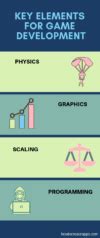
- Infographics: Sometimes, complex relationships or statistics are best conveyed through visually appealing infographics that summarize key data points or decision trees.

Practical Application and Contextualization
Understanding a mechanic in theory is one thing; applying it effectively in-game is another. Elite guides go beyond theoretical explanations by providing practical advice:
- “How-To” Examples: They offer concrete examples of how to use a mechanic in common scenarios. For instance, “Use ability X when enemy Y is Z distance away.”
- Contextual Scenarios: Explanations are often tied to specific in-game situations. Instead of just saying “Resource management is important,” a guide might show how managing resources impacts early-game progression or late-game combat.
- Early-Game Strategies: Many guides include dedicated sections for “first steps” or “beginner builds” that allow players to immediately put new knowledge into practice and experience early success.
- Trial and Error Encouragement: While guiding, they also subtly encourage players to experiment, reinforcing the idea that learning often involves trying things out.

Clear Language and Progressive Unveiling
Jargon is a significant barrier for new players. Top guides:
- Minimize Jargon: They define any necessary game-specific terms immediately upon first use or use simpler, more universally understood language wherever possible.
- Consistent Terminology: They stick to a consistent set of terms to avoid confusion.
- Progressive Difficulty: Information is introduced in a logical flow, starting with the absolute basics and gradually introducing more advanced or optional mechanics as the player’s understanding grows. They avoid overwhelming new players with expert-level strategies prematurely.
Anticipating Player Questions and Pitfalls
A truly exceptional guide foresees where new players might struggle. They often include:
- “Common Mistakes” Sections: Highlighting typical errors and explaining why they occur helps players avoid early frustrations.
- “Tips and Tricks”: Offering small, actionable pieces of advice that might not be immediately obvious.
- “What To Do Next”: Guiding players after they’ve grasped a concept, suggesting next steps or areas for further exploration.
Conclusion: From Confusion to Competence
Ultimately, top game guides succeed by adopting a player-centric approach. They empathize with the new player’s perspective, systematically dismantle complexity, and present information in a way that is both informative and actionable. By combining clear, progressive explanations with rich visual aids and practical examples, they transform what could be a frustrating learning curve into an engaging journey of discovery, allowing new players to quickly grasp complex initial mechanics and dive into the fun of the game.