



How can ‘first 5 hours’ guides effectively reduce new player overwhelm in complex games?

Navigating the Labyrinth: Why Initial Guides Matter
Complex video games, with their intricate mechanics, sprawling lore, and often dense user interfaces, frequently present a formidable barrier to entry for new players. The sheer volume of information can be overwhelming, leading to frustration and, ultimately, player abandonment. This is where the concept of ‘first 5 hours’ guides becomes indispensable. These curated initial experiences aim to transform potential frustration into fascination by strategically guiding new players through the critical early stages, ensuring they grasp foundational concepts without being drowned in details.

Understanding the Core of New Player Overwhelm
New player overwhelm isn’t just about too much information; it’s about a lack of context and prioritization. Players are often dropped into worlds where every UI element, every skill, and every possible action feels equally important, making it impossible to discern what truly matters for initial progress. This creates a cognitive overload, where the brain struggles to process and retain essential information.
Effective ‘first 5 hours’ guides address this by acting as a filter, highlighting the critical paths and essential tools needed to achieve a sense of accomplishment and understanding during those formative early moments. They don’t just teach mechanics; they teach how to learn and how to appreciate the game’s depth.
Key Strategies for Effective “First 5 Hours” Guides
1. Prioritization: Focus on Core Mechanics First
The most vital aspect of a successful guide is ruthless prioritization. It identifies the absolute minimum set of mechanics, systems, and objectives a player needs to understand to function and feel productive. This means postponing explanations of advanced meta-strategies, optimal builds, or deep lore until the player has a solid grasp of the basics. The guide should answer: “What do I need to know RIGHT NOW to survive and make progress?”
2. Phased Learning: Introduce Concepts Gradually
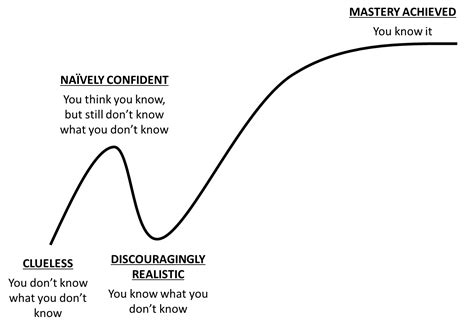
Instead of a massive information dump, effective guides implement a phased learning approach. Concepts are introduced incrementally, building upon previously learned material. This allows players to consolidate knowledge and apply it before moving on to the next layer of complexity. Think of it as a series of mini-tutorials, each with a clear objective, rather than one monolithic instruction manual.
3. Actionable & Contextualized Steps
Abstract information is harder to retain. Guides should provide concrete, actionable steps that players can immediately perform within the game. Crucially, these steps must be contextualized: explain *why* a particular action is important, *how* it contributes to their immediate goals, and *what* the expected outcome is. This gives meaning to the mechanics and helps players build a mental model of the game world.
4. Emphasize Key Milestones & Quick Wins
Achieving small victories is incredibly motivating. Guides should subtly steer players towards early milestones that provide a sense of accomplishment and reinforce learning. Whether it’s defeating a first boss, crafting a crucial item, or unlocking a new area, these quick wins build confidence and encourage players to delve deeper into the game.

5. Manage Expectations and Encourage Exploration
It’s important for guides to set realistic expectations. Complex games are not mastered in five hours. A good guide acknowledges this, emphasizing that the initial hours are about building a foundation for future discovery. It should encourage players to experiment within safe boundaries, fostering a sense of curiosity rather than simply dictating a rigid playstyle.

Practical Tips for Guide Creators
- Playtest with Novices: The most effective guides are born from observing genuine new players struggle. Identify common pain points and tailor your content to address them directly.
- Use Visuals Liberally: Screenshots, simple diagrams, and clearly marked UI elements are invaluable. Show, don’t just tell.
- Keep Language Clear and Concise: Avoid jargon where possible, or explain it simply the first time it’s used.
- Provide a “Next Steps” Outlook: After the initial 5 hours, what’s next? Briefly point towards resources or concepts for continued learning.

The Enduring Impact of a Strong Start
The “first 5 hours” of a complex game are more than just an introduction; they are a critical crucible where player engagement is either forged or lost. By meticulously crafting guides that prioritize, contextualize, and incrementally teach, developers and community creators can significantly reduce new player overwhelm. This not only leads to higher player retention and satisfaction but also cultivates a more robust and engaged player base, ready to embrace the true depth and challenge the game has to offer.
Ultimately, a great ‘first 5 hours’ guide doesn’t just teach players *how* to play; it teaches them *why* they should keep playing.