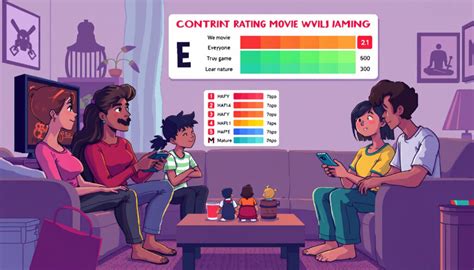





How to choose safe, age-appropriate games & manage screen time effectively?

Navigating the Digital Playground: A Parent’s Guide
In today’s digitally saturated world, video games and screens are an undeniable part of children’s lives. While they offer avenues for learning, creativity, and social connection, parents often grapple with the challenge of ensuring their children engage safely, appropriately, and in moderation. This guide provides practical strategies for selecting games that align with your child’s age and developmental stage, while also establishing healthy screen time habits for the entire family.
![9 Essays on My Parents | Why I Love my Mom & Dad [ 2024 ]](/images/aHR0cHM6Ly90czEubW0uYmluZy5uZXQvdGg/aWQ9T0lQLm4tajFOMW9TRFRFcGpHVnZSWEFtZFFIYUU4JnBpZD0xNS4x.webp)
Choosing Age-Appropriate and Beneficial Games
The first step towards effective digital parenting is understanding how to pick games that are right for your child. Not all games are created equal, and what’s suitable for a teenager can be harmful for a younger child.
1. Understand Game Ratings
- ESRB (Entertainment Software Rating Board) & PEGI (Pan European Game Information): Familiarize yourself with these rating systems. They provide clear age recommendations and content descriptors (e.g., violence, language, suggestive themes) that can guide your choices.
- Beyond the Rating: While ratings are a good starting point, they don’t always capture the nuances of gameplay or themes. Read reviews from other parents and trusted gaming sites.
2. Research and Review
- Watch Gameplay Videos: Sites like YouTube often host gameplay footage that can give you a better idea of what a game entails before you purchase it.
- Read Parent Reviews: Many app stores and gaming websites feature parent-specific reviews highlighting concerns or benefits.
- Look for Educational Value: Many games are designed to teach problem-solving, critical thinking, creativity, or even coding skills. Prioritize those that offer positive developmental outcomes.

Ensuring Online Safety in Gaming Environments
Once you’ve chosen suitable games, particularly those with online features, safety becomes paramount. Protecting your child from potential risks is an ongoing process.
1. Privacy and Security Settings
- Parental Controls: Most gaming consoles, platforms, and even individual apps offer robust parental control settings. Utilize these to restrict purchases, communication with strangers, and access to mature content.
- Strong Passwords: Ensure all accounts are secured with strong, unique passwords.
2. Managing Online Interactions
- Communication Features: Be aware of in-game chat, voice chat, and messaging features. Discuss with your child the importance of never sharing personal information and only interacting with trusted friends.
- Cyberbullying Awareness: Educate your child on what cyberbullying looks like and encourage them to speak up if they experience or witness it. Teach them how to block and report inappropriate behavior.
3. In-App Purchases and Advertising
Many games, especially free-to-play mobile games, include in-app purchases and advertisements. Discuss these with your child and consider disabling purchases or setting spending limits to avoid unexpected costs.

Effective Screen Time Management Strategies
Beyond content, the amount and quality of screen time are critical for a child’s development. Striking a healthy balance requires clear boundaries and consistent enforcement.
1. Create a Family Media Plan
- Set Clear Limits: Decide on daily or weekly screen time allowances together as a family. Tailor these to each child’s age and individual needs.
- Designate Screen-Free Zones & Times: Establish rules like no screens during meals, in bedrooms, or an hour before bedtime.
- Prioritize Other Activities: Ensure screen time doesn’t displace essential activities like physical play, reading, homework, family time, and creative pursuits.
2. Lead by Example
Children are observant. Your own screen habits significantly influence theirs. Model balanced screen use, engage in non-screen activities, and put your devices away during family interactions.

3. Utilize Parental Control Tools
Various apps and devices offer tools to monitor and manage screen time, block inappropriate content, and set schedules. While helpful, remember these are tools to support your conversations and rules, not replace them.
Conclusion: Fostering Healthy Digital Habits
Navigating the world of children’s games and screen time doesn’t have to be overwhelming. By actively choosing age-appropriate content, prioritizing online safety, and implementing thoughtful screen time management, you can empower your children to enjoy the benefits of digital entertainment while developing healthy, balanced habits that will serve them well into the future. Open communication, consistency, and leading by example are your most powerful allies in this endeavor.