



How to identify if a new free-to-play gacha title is truly F2P-friendly?

The allure of a new free-to-play (F2P) gacha game is undeniable: high-quality graphics, engaging storylines, and the thrill of collecting powerful characters or items, all without an upfront cost. However, beneath the surface, many F2P titles are designed with aggressive monetization strategies that can quickly turn the “free” experience into a frustrating “pay-to-win” (P2W) grind. For players looking to enjoy these games without breaking the bank, identifying truly F2P-friendly titles is crucial. This guide will walk you through the essential indicators to help you make informed decisions before investing your precious time.
The Gacha System Itself: Rates, Pity, and Banners
![[100+] Imagens De Gacha | Wallpapers.com](/images/aHR0cHM6Ly90czIubW0uYmluZy5uZXQvdGg/aWQ9T0lQLmZYeVloUThtT3ZfSDctX05QaHNwdmdIYUhhJnBpZD0xNS4x.webp)
The core of any gacha game is its summoning or pulling system. A truly F2P-friendly game will offer transparency and reasonable mechanics here. Check for clearly stated drop rates for all rarities, especially the highest tiers. Low drop rates aren’t necessarily anti-F2P if compensated by other systems. Look for robust “pity” systems, which guarantee a rare pull after a certain number of failed attempts. A “soft pity” (increased rates before guaranteed) and a “hard pity” (absolute guarantee) are excellent signs. Additionally, evaluate banner design: are desirable characters/items spread across multiple concurrent banners, forcing players to choose or spend, or are there rerun banners that allow F2P players to save up?
Resource Generation & Premium Currency Flow
How easily can F2P players acquire the resources needed to progress and engage with the gacha system? A F2P-friendly title provides a steady, albeit slower, stream of premium currency (the currency used for summons) through daily quests, weekly challenges, story progression, events, and login bonuses. If the primary source of premium currency after initial story completion is real-money purchases, that’s a red flag. Beyond currency, consider upgrade materials, experience points, and energy systems. Are these bottlenecked to the point where progress halts without spending, or can dedicated F2P players farm them efficiently over time?
Power Disparity and Content Accessibility
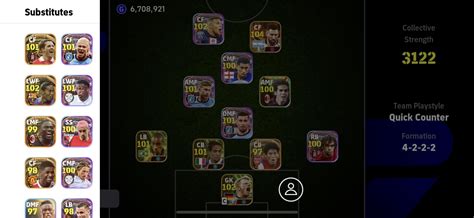
One of the biggest indicators of a game’s F2P friendliness is whether content remains accessible and enjoyable without owning every top-tier unit or gear set. Can F2P players clear most, if not all, of the game’s challenging content with carefully built “free” or easily obtainable units? If the game’s difficulty curve skyrockets, making progression impossible without specific, rare gacha pulls, it leans heavily towards P2W. PvP balance is another critical area: are F2P players consistently outmatched by whales with maxed-out rosters, or does skill and strategic team building still play a significant role?
Event Structure and Long-Term Progression
Events are a major part of the gacha experience, offering limited-time rewards and content. An F2P-friendly game will design events to be completable and rewarding for non-spending players, even if they need to invest more time. Beware of events that require specific newly released gacha units for significant bonuses, or those with reward tiers that are practically unreachable without massive spending. Long-term progression should also feel achievable. Is there a clear path to building a competitive roster over several months without feeling forced to pull on every new banner? Look for systems that allow for gradual character development and gear enhancement, independent of constant gacha pulls.
Developer Communication and Community Sentiment
![[100+] Imagens De Gacha | Wallpapers.com](/images/aHR0cHM6Ly90czIubW0uYmluZy5uZXQvdGg/aWQ9T0lQLm8xN2dqMnB2M1V2QUVVRXJ0WXRvWUFIYUhhJnBpZD0xNS4x.webp)
Before diving deep, do some research. What does the established community say about the game’s F2P viability? Look for reviews and discussions on platforms like Reddit, YouTube, and official forums. Pay attention to how developers communicate with their player base. Are they responsive to feedback, especially concerning balance issues or monetization practices? Frequent, transparent updates, apologies for missteps, and thoughtful adjustments based on player input are positive signs. A studio that ignores its F2P players or consistently pushes aggressive monetization updates is unlikely to change.

Ultimately, no F2P gacha game is entirely free in the sense of offering everything without any effort or strategic planning. However, truly F2P-friendly titles empower players to enjoy the core experience, tackle most challenges, and progress steadily without feeling pressured to spend. By evaluating gacha rates, resource acquisition, content accessibility, event design, and developer transparency, you can better navigate the crowded gacha landscape and find a game that respects your time and wallet. Remember, patience and smart resource management are an F2P player’s greatest assets.