




Gaming balance: How to mix play with learning and chores?

Navigating the Digital Playground: Why Balance Matters
In today’s fast-paced digital world, video games have become an almost inescapable part of childhood. While they offer entertainment, social connection, and even cognitive benefits, the challenge for parents lies in ensuring that gaming doesn’t overshadow other crucial aspects of a child’s development: learning, responsibilities, and real-world play. Achieving a healthy gaming balance isn’t about eliminating screens entirely, but rather integrating them thoughtfully into a well-rounded daily routine.
The Modern Parenting Challenge: Gaming’s Allure
The immersive nature of video games makes them incredibly appealing, often leading children to prioritize them over homework, chores, or outdoor activities. This can create tension within the family and raise concerns about academic performance, physical health, and social development. Parents often grapple with questions like: How much is too much? How do I enforce limits without constant battles? And how can I ensure my child is still growing in other areas?
Establishing the Foundation: Clear Rules and Communication
Set Expectations Early
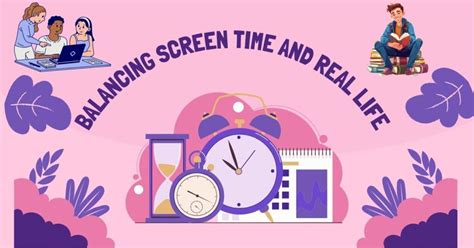
The first step towards balance is setting clear, understandable rules. Involve your children in the conversation (age-appropriately) about screen time limits, when gaming is allowed, and what needs to be completed beforehand. Visual timers or chore charts can be excellent tools for younger children to understand these boundaries.
The “First-Then” Principle
A highly effective strategy is the “first-then” approach. Clearly state that certain tasks must be completed before any gaming time begins. For example, “First, finish your homework and clean your room; then, you can have 30 minutes of gaming.” This teaches responsibility and time management while also providing a clear incentive.

Innovative Strategies for Seamless Integration
Scheduled Playtime and Learning Blocks
Consider creating a family schedule that explicitly allocates time for learning, chores, free play (non-screen), and gaming. This structure helps children anticipate their day and reduces arguments. Consistency is key here; sticking to the schedule as much as possible helps build routine and self-discipline.
Leverage Educational Gaming
Not all screen time is created equal. Explore educational games or apps that can actually reinforce learning. Many games are designed to improve problem-solving, strategic thinking, or even coding skills. Integrating these can make screen time productive rather than purely recreational, blurring the lines between play and learning.

Empowering Children Through Responsibility
Chores as a Prerequisite
Linking gaming time directly to household contributions can be a powerful motivator. Whether it’s doing dishes, tidying up their space, or helping with yard work, requiring chores to be done before gaming instills a sense of responsibility and shows them their role in the family unit. Make the connection explicit: “Your gaming privilege is earned through contributing to the home.”
Incentivize Positive Behavior
While the “first-then” rule is effective, positive reinforcement can also work wonders. Acknowledge and praise your child when they successfully balance their activities. Small rewards (non-gaming related, perhaps an extra story at bedtime or a special outing) can further encourage this desired behavior, fostering a positive environment around responsible choices.

Leading by Example and Staying Flexible
Children learn best by observing. Model healthy screen habits yourself. Put away your phone during family meals, engage in non-screen hobbies, and show that there’s a world beyond digital devices. As children grow, their needs and interests will change. Be prepared to adjust rules and schedules as they mature, allowing for increased autonomy while still providing guidance.

Conclusion: Cultivating a Healthy Digital Ecosystem
Achieving gaming balance is an ongoing process, not a one-time fix. It requires patience, consistency, and open communication. By establishing clear boundaries, using effective strategies like the “first-then” rule, integrating responsibilities, and leading by example, parents can guide their children to enjoy gaming as part of a rich, well-rounded life that prioritizes learning, chores, and healthy development. The goal is to cultivate a digital ecosystem where screens enhance, rather than dominate, a child’s growth and well-being.