



What F2P game indicators reveal genuine player-friendliness, not a cash grab?
Understanding the F2P Landscape
The free-to-play (F2P) model has revolutionized the gaming industry, making games accessible to millions without an upfront cost. However, this accessibility often comes with a caveat: the potential for aggressive monetization. Players constantly seek to identify games that offer a genuine, enjoyable experience without feeling pressured into spending, differentiating them from titles primarily designed to extract maximum revenue.
Pinpointing what makes an F2P game genuinely player-friendly rather than a cynical cash grab involves scrutinizing several key indicators beyond just the initial “free” label. It’s about the underlying design philosophy, the monetization strategy, and the developer’s ongoing relationship with its community.

Generous Progression Without Spending
One of the most telling signs of a player-friendly F2P game is its commitment to allowing significant, meaningful progression without requiring financial investment. Can a non-spending player reasonably achieve competitive power, unlock desirable content, or reach the endgame within a sensible timeframe? This often manifests in:
- Accessible Core Content: All primary game modes, story chapters, and character types are available to free players.
- Earnable Premium Currency: The game provides a consistent, albeit slower, way for free players to earn premium currency that can be used for desirable items or gacha pulls.
- Reasonable Grind: While a grind is inherent in F2P, it shouldn’t feel insurmountable or arbitrarily time-gated for free players. Progress should feel rewarding and achievable through consistent play, not just through credit card swipes.
Fair and Ethical Monetization Practices
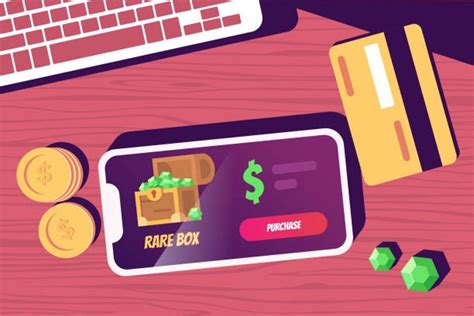
The type and fairness of monetization are crucial. A player-friendly F2P game typically focuses on cosmetic items, quality-of-life improvements, or accelerates progress without making them mandatory. Conversely, cash grabs often lean heavily into predatory pay-to-win (P2W) mechanics.
- Cosmetics Over Power: Monetization primarily revolves around skins, emotes, and other visual customizations that don’t affect gameplay balance.
- Quality-of-Life (QoL) Boosts: Optional purchases might include extra inventory slots, faster crafting, or auto-battle features, which enhance convenience but aren’t essential for core gameplay.
- No Mandatory P2W: The game avoids selling direct power advantages, such as exclusive, stronger characters, weapons, or significant statistical boosts that free players cannot obtain or compete against.
- Transparent Gacha Rates: If gacha (loot box) mechanics are present, the drop rates are clearly disclosed, often with pity timers or guaranteed pulls after a certain number of attempts, offering a sense of fairness and predictability.

Respect for Player Time and Engagement
A genuinely player-friendly game respects the player’s time. It designs systems that encourage engagement through fun, meaningful activities rather than endless, repetitive chores designed to keep you logged in for daily rewards or push you towards “skip” purchases.
- Meaningful Daily/Weekly Content: Tasks are varied and contribute to long-term goals.
- Avoidance of Aggressive Time-Gating: While some time-gating is natural, overly restrictive timers that force spending to bypass are a red flag.
- Flexible Play Sessions: Players can make meaningful progress even in shorter play sessions.
Developer Transparency and Responsiveness
The relationship between developers and their community is a powerful indicator. Player-friendly studios are typically transparent about their development roadmap, future updates, and even monetization decisions. They actively listen to feedback, acknowledge issues, and demonstrate a willingness to adapt.
- Regular Communication: Devs communicate through blogs, forums, and social media.
- Responsive to Feedback: Player concerns and suggestions are acknowledged and often acted upon.
- Clear Patch Notes: Changes, especially to balance or monetization, are thoroughly explained.
- Pre-emptive Bug Fixes: A proactive approach to addressing bugs and exploits demonstrates care for the player experience.

The Absence of Predatory Tactics
Cash grabs often employ psychological tactics to encourage spending. Player-friendly games, while still aiming to make money, avoid these aggressive and often exploitative methods.
- No Forced Pop-ups for Purchases: While stores are accessible, they don’t constantly interrupt gameplay with enticing offers.
- Reasonable Sale Frequency: Sales are present but don’t create an overwhelming sense of FOMO (Fear Of Missing Out) with constantly rotating, hyper-limited deals.
- No Artificial Scarcity for Core Items: Essential progression items aren’t artificially scarce to drive purchases.
- Fair Pricing: When items are sold, their price feels justified for the value they provide, rather than being exorbitantly high for minor advantages.
Conclusion: Seeking Sustainable Fun
Ultimately, distinguishing a genuinely player-friendly F2P game from a cash grab boils down to its respect for the player. Games that prioritize a sustainable, enjoyable experience for all—regardless of spending habits—will exhibit generous free progression, fair monetization, transparent communication, and an absence of predatory tactics. By observing these indicators, players can make informed choices and support titles that truly value their community and time, fostering a healthier F2P ecosystem for everyone.