




What core info *must* a ‘first hour’ game guide include for total beginners?

For many, the first hour of a new video game can be the most critical. It’s when total beginners form their initial impressions, grapple with unfamiliar mechanics, and decide if they want to invest more time. A well-crafted ‘first hour’ guide isn’t just helpful; it’s essential for ensuring a smooth onboarding experience. But what absolutely must it include to prevent frustration and foster engagement?

Setting the Stage: Essential Pre-Game & Initial Steps
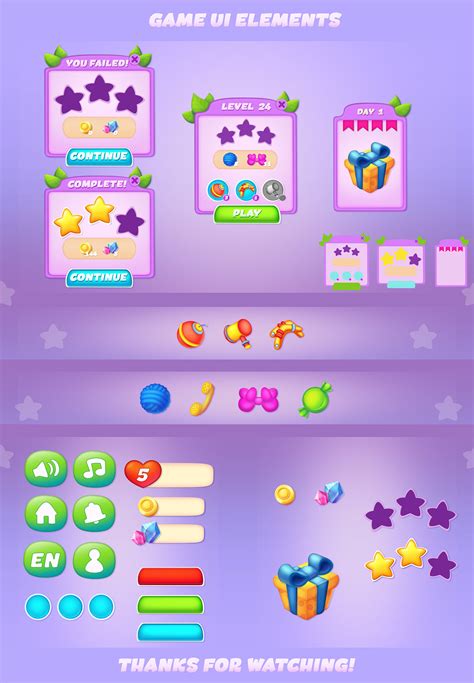
Before players even load into the game world, there are foundational pieces of information they need. This includes basic installation instructions or setup tips, especially for PC games where system requirements or driver updates might be a factor. Once in, the absolute first things to cover are the fundamental controls: how to move their character, interact with objects, control the camera, and access basic menus (inventory, map, settings). A clear, concise breakdown of the HUD (Heads-Up Display) and UI elements is also paramount – explaining health bars, mini-maps, inventory slots, quest markers, and other on-screen indicators demystifies the initial experience and helps players understand what they’re looking at.
Your First Steps in the Game World
With the basics covered, the guide needs to immediately orient the player within the game’s initial context. What is the very first objective? Where should they go? What are the immediate goals? This could be as simple as ‘follow the path’ or ‘talk to the NPC.’ Briefly introducing core gameplay loops – be it basic combat (how to attack, block, dodge), resource gathering (pick up items), or simple quest acceptance (follow prompts) – without overwhelming detail, is crucial. The goal here is to give them actionable steps that build confidence and provide a sense of progression, rather than leaving them aimlessly wandering.

Preventing Pitfalls and Empowering Progress
Beginners often make common mistakes or overlook crucial functionalities. A good guide anticipates these by offering proactive tips. This might include advice on how to save their game (a surprisingly common oversight for new players in non-autosave titles), recommended starting settings for accessibility or performance, or warnings about early-game dangers to avoid. Encouraging exploration while also setting realistic expectations about early progression can prevent disappointment. Emphasize that it’s okay to fail and learn, and point them towards where to find more detailed help if needed, such as in-game tutorials or specific menu options.

A truly effective ‘first hour’ guide for total beginners acts as a welcoming hand, guiding them through the initial bewildering moments into a state of understanding and enjoyment. By focusing on fundamental setup, core controls, a clear UI explanation, immediate objectives, and preventative tips, such a guide transforms potential frustration into a solid foundation for a rewarding gaming experience. It’s about empowering new players to take their first confident steps into a new virtual world, turning potential drop-offs into long-term engagement.