




Cozy family games: How to ensure fun for mixed ages & avoid screen time stress?

The Challenge of Unified Family Fun
In a world increasingly dominated by digital distractions, gathering the family for a session of unplugged fun can feel like an Olympic sport. The challenge is often compounded by varying age groups – a toddler’s attention span differs vastly from a teenager’s, and Grandma might prefer something less strenuous than a boisterous game of charades. Yet, the desire for cozy, screen-free family moments remains strong. How do we bridge these generational gaps and ensure everyone, from the youngest to the oldest, genuinely enjoys the experience?
The key lies in thoughtful preparation, selecting the right activities, and cultivating an environment where connection trumps competition. It’s about creating shared memories, laughter, and a sense of belonging that only shared experiences can provide.
Choosing Games for Diverse Age Groups
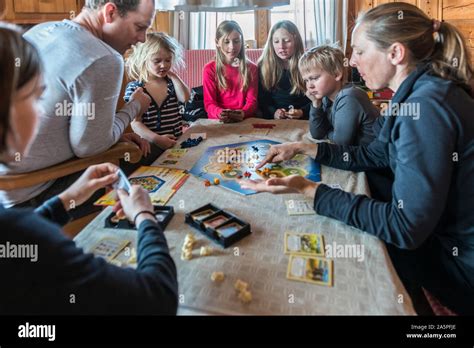
When you have a wide range of ages, simply picking a game off the shelf might not cut it. The goal is inclusivity, not exclusion. Consider games that offer:
- Cooperative Play: Instead of competing against each other, the family works together towards a common goal. Games like Pandemic (for older kids/adults) or Forbidden Island (easier) can foster teamwork. For younger kids, Hoot Owl Hoot! or Count Your Chickens are excellent choices.
- Variable Difficulty/Roles: Some games naturally adapt. A game like Codenames allows younger children to participate in giving clues, even if they don’t fully grasp the nuance, while adults handle the strategic thinking. Charades or Pictionary can be adapted with simpler words for kids and more complex ones for adults.
- Classic Games with a Twist: Don’t underestimate the power of classics like Jenga, Uno, or dominoes. They are easy to learn, quick to play, and universally understood. You can even introduce house rules to make them more interesting or to level the playing field.
- Storytelling Games: Games like Rory’s Story Cubes or Dixit encourage creativity and imagination, where age doesn’t dictate skill. Everyone can contribute to a fantastical story, leading to hilarious and memorable outcomes.
Setting the Scene for Cozy Engagement
The game itself is just one piece of the puzzle; the atmosphere you create is equally important. Think beyond just the game pieces:
Comfort and Ambience
Transform your space into a cozy haven. Dim the harsh overhead lights and opt for warmer lamp light. Add comfortable pillows and blankets. Having snacks and drinks on hand – popcorn, hot cocoa, cookies – instantly elevates the experience from a chore to a treat. Ensure the playing area is large enough for everyone to see and participate without feeling cramped.
Involve Everyone in the Process
Even before the game starts, get everyone involved. Let the kids help pick which game to play from a pre-selected, age-appropriate list. Assign roles like ‘snack master’ or ‘rule reader.’ For younger children, giving them a special job (like holding the timer or handing out cards) makes them feel valued and part of the action, even if they’re not fully grasping all the rules.
Navigating the Screen Time Minefield
One of the primary goals of family game night is often to pull everyone away from their screens. This can be a source of tension, but it doesn’t have to be.
Communicate Expectations Clearly
Before the game night begins, have a family conversation. Explain that this is a dedicated time for unplugged connection. You might set a specific duration (e.g., “For the next hour and a half, let’s put our phones away and enjoy this.”) and stick to it. Lead by example – put your own phone away and be fully present.

Make Analog Games Irresistible
The appeal of screens is undeniable, so make your analog alternatives shine. Introduce new games regularly to keep things fresh. Frame game night as a special event, not just something to do because there’s nothing else. The snacks, the comfortable setting, and your enthusiastic participation all contribute to making the non-screen option more attractive.

Be Flexible and Patient
It’s okay if not every game night is a perfect success. Some nights, kids might be tired or grumpy, or the chosen game just doesn’t click. Don’t force it. Have a backup plan – maybe a simple card game or even a shared activity like baking or reading aloud. The goal is positive interaction, not perfect adherence to a schedule. Celebrate the small victories – a burst of laughter, a shared moment of concentration, or a simple conversation sparked by the game.
Conclusion: Cultivating Connection
Cozy family game nights are more than just a way to pass the time; they are vital opportunities to strengthen family bonds, teach valuable social skills, and create cherished memories without the glow of a screen. By carefully selecting games that cater to mixed ages, creating an inviting atmosphere, and proactively managing screen time expectations, you can transform a potential source of stress into a cornerstone of joyful family tradition. The laughter, the teamwork, and the simple act of being present with one another are the true wins.