
How do beginner guides for big/small games avoid overwhelming new players?

The Art of Onboarding: Easing New Players into Any Game
Entering a new game world, whether it’s a sprawling open-world RPG or a deceptively simple puzzle game, can be an exhilarating yet daunting experience. For new players, the initial moments are crucial – they determine whether a game clicks or gets uninstalled. Beginner guides, integrated directly into the game or as external resources, play a pivotal role in bridging the knowledge gap. But how do they manage to inform without overwhelming?
The secret lies in a combination of thoughtful design principles and strategic information delivery, tailored to the game’s complexity.
Progressive Disclosure: The Gradual Unveiling
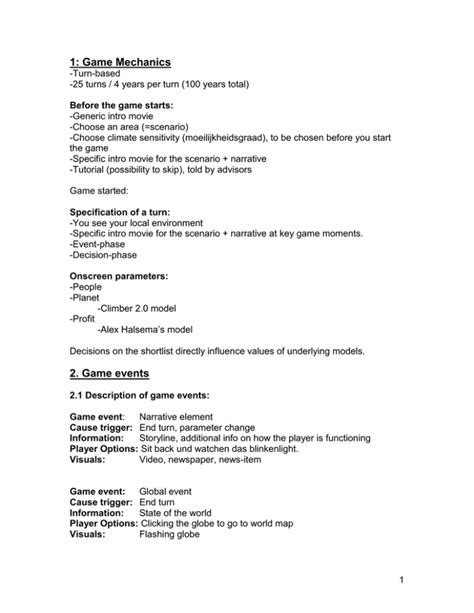
One of the most fundamental strategies is progressive disclosure. Instead of dumping an entire manual’s worth of information on a new player, guides introduce concepts incrementally. Core mechanics are taught first, followed by layers of complexity as the player demonstrates understanding. This could mean:
- Chunking Information: Breaking down complex systems into smaller, digestible pieces.
- Staged Access: Unlocking new features, abilities, or game modes only after previous ones are mastered.
- “Learn by Doing”: Integrating tutorials directly into gameplay rather than static text boxes.
Clear Objectives and Immediate Feedback
New players thrive on a sense of accomplishment. Effective guides provide immediate, clear objectives that are easily understood and achievable. “Walk to the glowing objective marker,” “Press A to jump,” or “Collect 3 berries” are simple tasks that build confidence and familiarity with controls and basic interactions. Coupled with this is immediate, positive feedback upon successful completion, reinforcing the learning.
Interactive and Contextual Learning
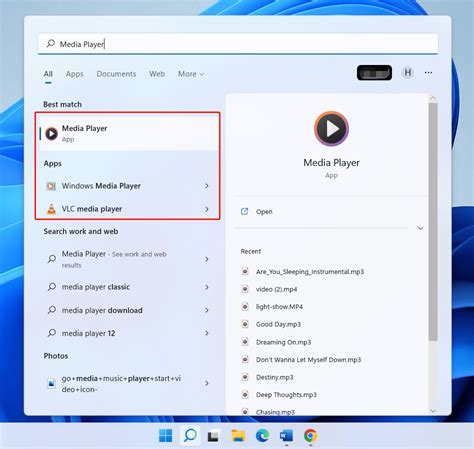
Passive reading rarely works in games. The best guides are highly interactive. They prompt players to perform actions, guiding them through the first few critical steps. Furthermore, contextual help, such as tooltips that appear when hovering over a new UI element or in-game prompts that activate during specific situations, ensures that information is delivered precisely when it’s most relevant and useful. This avoids cognitive overload by not presenting information until it’s needed.
For example, a big strategy game might introduce base building components one by one, with pop-up explanations for each, while a small indie game might use visual cues and simple button prompts to teach its core mechanic.
Visual Cues and Intuitive UI Design
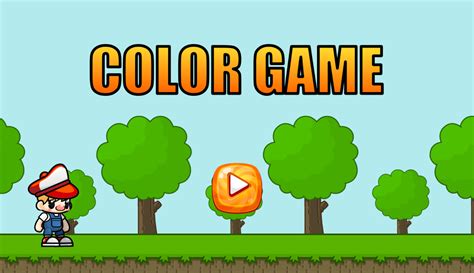
A picture is worth a thousand words, especially in gaming. Beginner guides heavily rely on visual cues like glowing indicators, arrows, highlighted objects, and simplified animations to draw attention to important elements. A well-designed user interface (UI) is also a guide in itself, making functions and information intuitively accessible without extensive explanation.
Pacing and Optionality: Respecting Player Agency
Different players learn at different speeds. Great beginner guides respect this by controlling the pace of the tutorial and offering optional learning paths. This might involve:
- Skippable Tutorials: For returning players or those who prefer to learn by exploration.
- Training Arenas: Dedicated spaces to practice mechanics without pressure.
- Advanced Tips Sections: Separate guides or in-game encyclopedias for players who want to dive deeper after mastering the basics.
Tailoring for Game Scope: Big vs. Small
While the core principles remain, their application differs based on game size. Small games, with fewer mechanics, can often integrate their entire guide seamlessly into the first few minutes of gameplay, often without the player even realizing they are being taught. Their simplicity is their strength.
Big, complex games, on the other hand, require a more robust, multi-stage approach. They might feature an initial onboarding segment, followed by “soft” tutorials introduced periodically as new content or systems become available. The key is consistent reinforcement and layering, preventing the sheer volume of information from becoming intimidating.
Conclusion: The Foundation of Enjoyment
Ultimately, a successful beginner guide, whether for a massive multiplayer online game or a charming indie platformer, is about building a solid foundation for player enjoyment. By carefully structuring information, prioritizing interaction, and respecting the player’s learning curve, these guides transform potential frustration into discovery. They don’t just teach players how to play; they teach them why they’ll love playing.