




How to balance kids’ screen time with healthy play and learning?

Navigating the Digital Age: Finding the Right Balance
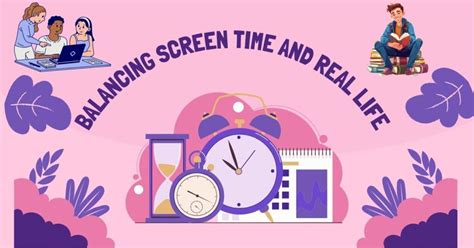
In today’s digitally saturated world, screens are an undeniable part of children’s lives. From educational apps to entertainment, tablets, smartphones, and televisions offer a vast array of content. However, the omnipresence of screens presents a significant challenge for parents: how to harness the benefits of technology while ensuring children still engage in crucial healthy play and hands-on learning? The key lies in establishing a mindful and intentional balance.

Understanding the Impact of Screen Time
Screen time itself isn’t inherently bad. Educational content can enhance cognitive skills, problem-solving, and literacy. Yet, excessive or unsupervised screen time can lead to a range of issues, including disrupted sleep patterns, reduced physical activity, impaired social skills, and exposure to inappropriate content. Understanding both the potential upsides and downsides is the first step toward creating a balanced approach.
Setting Clear Boundaries and Routines
One of the most effective strategies is to establish clear, consistent boundaries. This means setting specific time limits for screen use, which can vary by age, and sticking to them. Create a family media plan that outlines when, where, and for how long screens can be used. Designate screen-free zones, such as bedrooms and the dinner table, and screen-free times, like before bed or during meals, to encourage interaction and other activities.

Prioritizing Quality Over Quantity
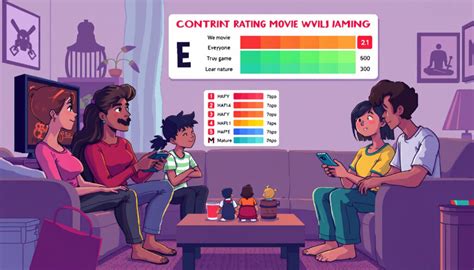
Not all screen time is created equal. Encourage interactive, educational, and creative content over passive viewing. Look for apps and shows that promote problem-solving, active participation, and learning. Co-viewing with your children also allows you to engage with the content together, discuss what they’re seeing, and reinforce learning, transforming screen time into a more enriching experience.
Fostering Healthy Play and Physical Activity
Healthy child development relies heavily on unstructured play and physical activity. Dedicate ample time each day for outdoor play, where children can run, jump, explore, and interact with nature. Encourage imaginative play with toys, blocks, art supplies, and dress-up clothes. These activities are vital for developing creativity, fine motor skills, gross motor skills, and social-emotional intelligence.

Integrating Learning Beyond Screens
Learning doesn’t just happen on a screen. Promote reading books, both independently and together as a family. Engage in hands-on activities like cooking, gardening, building models, or conducting simple science experiments. Board games and puzzles are excellent for developing critical thinking, strategy, and social skills without a digital interface. These experiences provide tangible, real-world learning opportunities that complement any educational screen time.

Leading by Example
Children are keen observers, and they often mirror their parents’ behavior. Be mindful of your own screen habits. Show them that there’s a world of engaging activities beyond screens by putting your phone down during family time, engaging in hobbies, and participating in outdoor activities. Your actions speak volumes and serve as a powerful model for balanced living.

Conclusion
Balancing kids’ screen time with healthy play and learning isn’t about eliminating technology; it’s about thoughtful integration. By setting boundaries, choosing quality content, prioritizing physical activity and creative play, fostering hands-on learning, and leading by example, parents can guide their children towards a holistic development that embraces the best of both digital and real-world experiences. It’s an ongoing journey of adaptation and open communication, ensuring that technology serves as a tool for growth, not a barrier to it.