




What’s the best way to structure beginner game guides to simplify complex mechanics?
Entering a new game, especially one with deep, intricate systems, can feel like being dropped into an alien world. Complex mechanics, from skill trees and crafting systems to combat rotations to resource management, often present a formidable barrier for new players. An effective beginner game guide isn’t just about listing facts; it’s about artfully simplifying these complexities, making the daunting digestible, and empowering new players to confidently engage with the game. But what’s the optimal way to structure such a guide?
Understanding Your Audience: The Absolute Beginner
The first and most crucial step in structuring any beginner guide is to deeply understand its intended audience: someone who knows little to nothing about the game or even the genre. This means:
- Assuming Zero Prior Knowledge: Avoid jargon, acronyms, or references to advanced concepts without first explaining them.
- Empathy, Not Impatience: Remember how overwhelming it felt when you first learned. Your guide should be a friendly mentor, not an encyclopedic dump of information.
- Focus on Core Concepts: Distinguish between essential information needed to play and optional details that can be explored later.
The Foundational Principles of Simplification
Before diving into specific structural elements, adhere to these guiding principles:
Start Simple, Build Complexity: Introduce one core concept at a time. Master the basics before layering on nuances. Think of it like learning to walk before you can run.
Clarity and Conciseness: Use plain language. Break long sentences into shorter, more direct ones. Bullet points and numbered lists are your friends for presenting information efficiently.
Relatability Through Analogy: Where appropriate, draw parallels to real-world concepts or mechanics from other popular games. This can help bridge the understanding gap.
Structuring Your Guide: A Step-by-Step Framework
1. The Hook and The ‘Why’
Begin by briefly introducing the mechanic and, more importantly, *why* a new player should care about it. What problem does it solve? How does it enhance their gameplay experience? A strong “why” provides motivation to learn.
Example: “Understanding ‘Resource X’ isn’t just about collecting; it’s the key to upgrading your gear and unlocking powerful abilities, making your journey through the game far smoother.”
2. Core Concept Breakdown: Dissecting the Mechanic
This is where you break the complex mechanic into its smallest, most fundamental components. Each component should be explained individually before showing how they interact.
- Identify Key Elements: What are the essential nouns and verbs involved? (e.g., “Mana,” “Casting,” “Cooldown,” “Targeting”).
- Define Each Element Clearly: Provide a simple, unambiguous definition for each term.
- Explain Relationships: How do these elements connect to each other?
3. Step-by-Step Execution: How to Do It
Once the components are understood, provide clear, numbered steps on how a player would actually *perform* or *interact* with the mechanic in-game. Focus purely on the basic interaction first.
- Identify the trigger or prerequisite.
- Describe the action(s) required (e.g., “Press ‘Q’,” “Click inventory slot”).
- Explain the immediate result of the action.
4. Practical Examples and Scenarios
Abstract explanations often fall flat without context. Show, don’t just tell. Provide concrete examples of the mechanic in action within typical game scenarios.
- “When to Use It”: Illustrate common situations where the mechanic is applied.
- “What Not to Do”: Highlight frequent beginner mistakes and how to avoid them.
- Mini-Case Studies: Briefly walk through a specific instance of using the mechanic to achieve a goal.
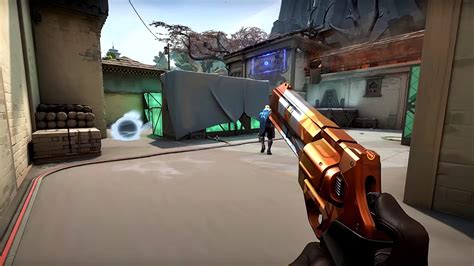
5. Visual Aids Are Non-Negotiable
For complex mechanics, text alone is rarely sufficient. Visuals are powerful simplification tools.
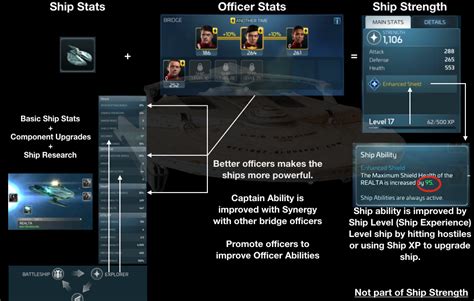
- Screenshots with Callouts: Point directly to UI elements or in-game objects.
- Diagrams/Flowcharts: Visually represent processes, dependencies, or relationships.
- Short Video Clips (if applicable): Demonstrate real-time actions.
Even without embedding live media, a good guide will reference the need for these visuals and describe what they would show.

6. Reinforcement and Progressive Disclosure
Encourage hands-on practice. A guide should lead the player to try things themselves, building muscle memory and confidence.
- Suggested Practice Exercises: “Try crafting a basic potion using these steps.”
- Introducing Nuances: Once the core is grasped, gently introduce variations, advanced applications, or related mechanics. This avoids information overload upfront.
- Links to Deeper Dives: For players ready for more, provide pointers to advanced guides or wiki pages.
Advanced Tips for Effective Simplification
- Glossary of Terms: Include a small section defining game-specific terminology.
- “Quick Start” vs. “Deep Dive”: Consider offering a very brief ‘get playing now’ section for impatient players, followed by the detailed explanations.
- Feedback Loop: If possible, use analytics or player feedback to identify where beginners struggle most and refine your guide accordingly.
Conclusion
Structuring beginner game guides to simplify complex mechanics is an art form that blends pedagogical principles with a deep understanding of gaming. By adopting a ‘start simple, build complexity’ approach, utilizing clear language, breaking down concepts into manageable steps, and heavily leaning on visual aids and practical examples, you can transform daunting game systems into exciting learning opportunities. The goal is not just to transfer information, but to build confidence, foster understanding, and ultimately, enhance the new player’s enjoyment of the game. Patience and empathy are your most powerful tools in this endeavor.