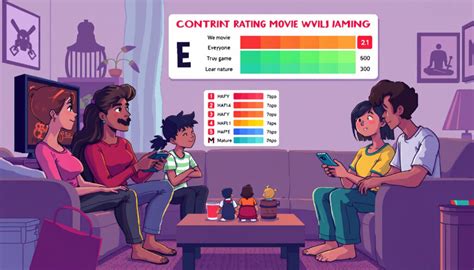





Effective strategies for ensuring age-appropriate game choices and online safety?
Navigating the Digital Playground: Guiding Children to Safe and Age-Appropriate Gaming
In today’s digital age, video games are an integral part of many children’s lives, offering entertainment, fostering creativity, and even developing problem-solving skills. However, with the vast array of games available and the complexities of online interactions, parents often face the challenge of ensuring their children make age-appropriate choices and remain safe in the digital realm. This guide provides effective strategies to help parents navigate this landscape with confidence.
Understanding Game Ratings and Content Descriptors
The first line of defense in choosing suitable games is understanding and utilizing official game rating systems. Organizations like the Entertainment Software Rating Board (ESRB) in North America, PEGI in Europe, and others globally provide clear guidelines on age appropriateness and content. These ratings go beyond just an age number; they include content descriptors that highlight specific elements such as violence, strong language, sexual themes, or drug references.
- ESRB (North America): Look for ratings like E (Everyone), E10+ (Everyone 10+), T (Teen), M (Mature). Pay close attention to descriptors like ‘Fantasy Violence,’ ‘Mild Language,’ ‘Blood,’ or ‘In-Game Purchases.’
- PEGI (Europe): Ratings include 3, 7, 12, 16, 18. Descriptors indicate ‘Violence,’ ‘Bad Language,’ ‘Fear,’ ‘Gambling,’ ‘Sex,’ ‘Drugs,’ ‘Discrimination,’ and ‘In-Game Purchases.’
Before a new game enters your home, take a few minutes to research its rating and read reviews from reputable sources. This simple step can prevent exposure to content that might be overwhelming or inappropriate for your child’s developmental stage.

Open Communication: The Foundation of Digital Safety
Beyond ratings, fostering an open and honest dialogue with your children about their gaming habits is crucial. Encourage them to talk about the games they play, who they play with, and any experiences that make them feel uncomfortable. This communication builds trust and empowers your child to seek help when needed.
- Discuss online etiquette: Teach them about respectful communication, the permanence of online actions, and the importance of not sharing personal information.
- Address peer pressure: Children might feel pressured to play games beyond their age rating. Help them understand that it’s okay to say no and that their safety comes first.
- Explain privacy settings: Work together to understand and configure privacy settings on games, consoles, and online platforms.
Leveraging Parental Controls and Safety Features
Most modern gaming consoles, PCs, mobile devices, and even internet routers come equipped with robust parental control features. These tools allow you to set limits on playtime, restrict access to certain content, manage spending, and control communication with other players.
Take the time to explore and configure these settings on every device your child uses for gaming. You can typically:
- Set time limits: Control how long your child can play each day.
- Restrict content: Block games based on their rating or specific content descriptors.
- Manage purchases: Prevent unauthorized in-game purchases or require approval for all transactions.
- Control communication: Limit or block in-game chat features and friend requests.
Remember that these controls are not a substitute for communication but rather a supportive framework to reinforce the rules you’ve established as a family.

Active Monitoring and Engagement
Being an engaged parent in your child’s gaming life doesn’t mean hovering over their shoulder constantly, but rather showing interest and understanding their digital world. Occasionally playing games with them, or simply watching them play, can provide valuable insights into their online experiences and help you identify potential issues.
- Know their online friends: Just as you would know their friends offline, understand who they are interacting with online.
- Understand game mechanics: Be aware of features like in-game chat, voice chat, and player-to-player trading that can introduce risks.
- Keep devices in common areas: Placing gaming devices in shared family spaces can naturally encourage supervision and interaction.

Setting Healthy Boundaries and Screen Time Limits
While gaming can be a positive activity, it’s essential to ensure a healthy balance with other activities like homework, outdoor play, social interactions, and sleep. Establish clear and consistent rules around screen time, and communicate the reasons behind these limits.
- Create a family media plan: Decide together when and where gaming is allowed, and for how long.
- Encourage diverse activities: Ensure gaming doesn’t overshadow other hobbies and responsibilities.
- Model healthy habits: Children learn by example, so manage your own screen time thoughtfully.

Recognizing and Responding to Red Flags
Even with the best strategies in place, it’s important to be vigilant for signs that something might be wrong. Changes in behavior, such as increased secrecy, anxiety, anger, or withdrawal, could indicate issues like cyberbullying, inappropriate content exposure, or even predatory behavior from others online.
If you suspect a problem:
- Approach with empathy:g Create a safe space for your child to share their concerns without fear of judgment or punishment.
- Gather information: Ask specific questions about what happened, who was involved, and when.
- Take action: This might involve reporting users, blocking communications, contacting game support, or, in serious cases, involving law enforcement.

Conclusion: Empowering a Safe Digital Future
Ensuring age-appropriate game choices and online safety is an ongoing process that requires active parental involvement, open communication, and the intelligent use of available tools. By staying informed, engaging with your children, and setting clear boundaries, you can empower them to enjoy the many benefits of gaming while navigating the digital world responsibly and safely. Your proactive approach is the most effective shield against potential online risks.