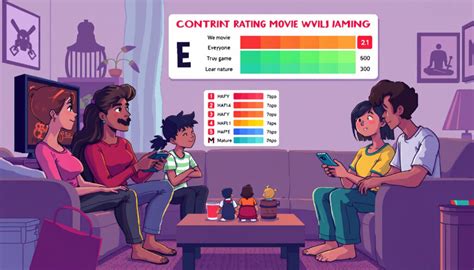





How to choose age-appropriate games and manage screen time effectively?
Navigating the Digital Playground: A Parent’s Guide
In today’s digitally driven world, video games and screen time are an integral part of many children’s lives. While these can offer numerous educational and entertainment benefits, parents often face the challenge of ensuring their children engage with content that is both appropriate and balanced. This guide offers practical strategies for selecting age-appropriate games and effectively managing screen time to foster healthy digital habits.

Choosing Age-Appropriate Games: More Than Just Ratings
Selecting the right games goes beyond simply checking a rating label. While rating systems like ESRB (Entertainment Software Rating Board) in North America or PEGI (Pan European Game Information) provide a good starting point, they are not the sole determinant. Parents should delve deeper into understanding the game’s content, themes, and gameplay mechanics.
- Understand Rating Systems: Familiarize yourself with age recommendations and content descriptors (e.g., violence, language, drug reference). These indicate the presence of certain elements, not necessarily their intensity or context.
- Research and Reviews: Read game reviews from reputable parenting sites or gaming publications. Watch gameplay videos online to get a better sense of the experience.
- Consider Developmental Stage: A game suitable for a 10-year-old might be too complex or emotionally intense for a 6-year-old, even if both fall within a broad “E for Everyone” category. Look for games that match your child’s cognitive, emotional, and social development.
- Focus on Educational and Social Benefits: Many games offer opportunities for problem-solving, creativity, strategic thinking, and even social interaction (in multiplayer settings). Prioritize games that align with these positive outcomes.

Effective Screen Time Management: Quality Over Quantity
Managing screen time isn’t just about limiting hours; it’s about promoting a healthy balance and ensuring the time spent is meaningful. A blanket ban is rarely sustainable or beneficial; instead, focus on integrating screens thoughtfully into family life.
The American Academy of Pediatrics recommends specific limits based on age, but these are guidelines. The key is to find a balance that works for your family, emphasizing quality interactions and activities over passive consumption.

Strategies for Success:
- Set Clear Boundaries and Routines: Establish consistent rules for screen time, including when, where, and for how long screens can be used. For example, no screens during meals, before bed, or until homework is done.
- Create a “Media Plan”: As a family, discuss and decide on screen time limits, types of content allowed, and screen-free zones/times. Involve children in this process to foster ownership.
- Encourage Alternative Activities: Ensure there are plenty of engaging non-screen activities available, such as reading, outdoor play, creative arts, and family games.
- Co-View and Co-Play: Engage with your child’s digital world. Play games with them, watch shows together, and discuss the content. This not only helps you assess appropriateness but also strengthens your bond and provides teaching moments.
- Use Parental Controls and Monitoring Tools: Most devices, operating systems, and gaming consoles offer built-in parental controls to manage content, screen time, and in-app purchases. Utilize these tools, but remember they are a supplement, not a replacement, for active parenting.

Practical Tips for Parents
- Communicate Openly: Talk to your children about why rules are in place, the benefits of balanced screen use, and the potential risks of inappropriate content or excessive use.
- Lead by Example: Children are keen observers. Model responsible screen use yourself. Put your phone away during family time, and show them that there’s a world beyond the screen.
- Designate Screen-Free Zones/Times: Bedrooms, mealtimes, and family outings can be designated screen-free. This promotes face-to-face interaction and better sleep.
- Prioritize Sleep: Excessive screen time, especially before bed, can disrupt sleep patterns. Establish a “digital curfew” at least an hour before bedtime.

Conclusion: Finding the Right Balance
Navigating the digital landscape with children requires ongoing effort, adaptability, and open communication. By carefully choosing age-appropriate games and implementing effective screen time management strategies, parents can ensure their children harness the positive aspects of technology while developing healthy habits for a well-rounded life. Remember, the goal is not to eliminate screens but to integrate them thoughtfully and responsibly into your family’s routine.