In the vast and competitive world of gaming, a new player’s initial experience can make or break their journey with your title. An effective beginner game guide isn’t just a helpful resource; it’s a critical onboarding tool that determines whether they’ll be instantly hooked or quickly alienated. The goal is to provide just enough information to empower them, without overwhelming them, creating a smooth and exciting entry point into your game’s universe.
Many games fail to retain new players not because of poor core mechanics, but due to an impenetrable initial learning curve. A well-crafted guide acts as a friendly mentor, guiding them through the crucial first steps and showcasing the fun and potential awaiting them. It sets the tone, builds confidence, and fosters that vital sense of accomplishment.
Keep It Concise and Digestible
New players are eager to play, not read a novel. The most common mistake in beginner guides is information overload. Prioritize the absolute essentials: core controls, primary objectives, and fundamental mechanics. Break down complex systems into small, manageable chunks. Use bullet points, short paragraphs, and clear headings to make scanning easy. Remember, a guide should be a reference, not a mandatory reading assignment.
Focus on Core Mechanics First
What are the absolute prerequisites for a player to interact with your game? Is it movement, basic combat, or resource gathering? Start there. Teach the ‘how to play’ before the ‘how to master.’ Avoid deep-diving into advanced strategies, lore nuances, or complex skill trees initially. Once a player understands the basic loop and feels competent, they’ll naturally seek out more advanced information.
Employ Clear Language and Visual Aids
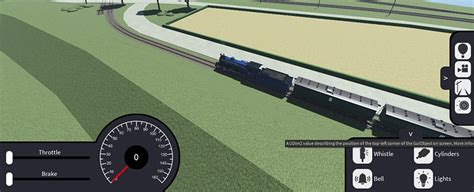
Ambiguity is the enemy of a good guide. Use simple, jargon-free language. If game-specific terminology is unavoidable, define it clearly the first time it appears. Visuals are incredibly powerful; screenshots, short video clips, or animated GIFs demonstrating actions or locations can convey information far more effectively than text alone. Highlight UI elements, show exact button presses, or illustrate common scenarios. A picture truly is worth a thousand words when learning a new game.
Provide Actionable Steps and Early Wins
Frame your guide as a series of achievable quests. Give players immediate, tangible tasks they can complete using the information you’ve provided. Successfully completing these tasks gives them a sense of progression and mastery, fueling their desire to continue. Highlighting early rewards or satisfying moments within the first few minutes or hours can be an incredibly effective hook. Make them feel powerful, even if it’s just a small victory.
Manage Expectations and Foster Curiosity
A good guide doesn’t spoil the entire game. Instead, it hints at the depth and possibilities that lie ahead without giving everything away. Briefly mention future challenges, diverse game modes, or customization options to pique their interest. Let them know what they can expect to achieve with continued play, but also acknowledge that mastery takes time. This balance encourages exploration and long-term engagement.
Strategic Formatting for Readability
The presentation of your guide is as important as its content. Use clear headings (`
`, `
`), bullet points, numbered lists, and bold text to break up the flow and highlight key information. Ensure a consistent layout and design. Consider a Table of Contents for longer guides, allowing players to jump to specific sections they need help with. Accessibility features like dark mode or adjustable font sizes can also enhance the user experience.
Test, Iterate, and Gather Feedback
A guide is rarely perfect on the first try. Have actual new players (not just experienced ones) test your guide. Observe where they struggle, what questions they ask, and where they get confused. Use their feedback to refine and improve your guide. Is it clear enough? Does it address common pain points? Is it too long? Continuous iteration based on real-world usage will lead to an increasingly effective resource.
Conclusion: Your Guide, Their Journey
Crafting an effective beginner game guide is an art form. It requires empathy for the new player, a deep understanding of your game, and a commitment to clarity and conciseness. By focusing on essentials, employing strong visuals, providing actionable steps, and continuously refining your approach, you can create a powerful onboarding experience. A well-designed guide not only teaches players how to play but inspires them to stay, transforming hesitant newcomers into passionate long-term fans. Give them the keys to the kingdom, and watch them explore with confidence.