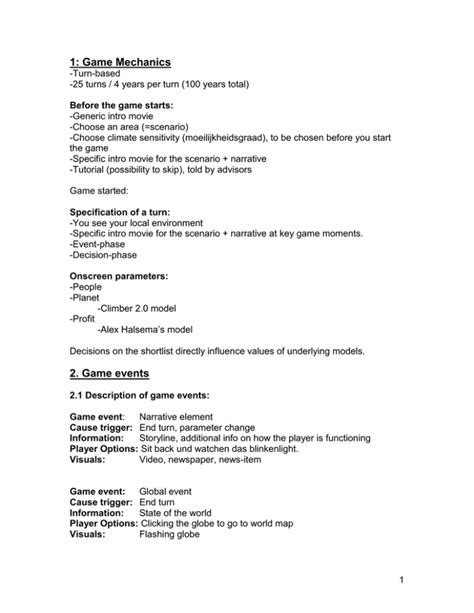





How can beginner game guides best prevent new players from feeling overwhelmed?

Entering a new game world can be an exhilarating experience, but for many new players, it can quickly turn into a source of frustration and overwhelm. Modern games, with their intricate mechanics, sprawling worlds, and deep lore, often present a steep learning curve. The key to retaining these players lies in well-crafted beginner guides that gently introduce them to the game without drowning them in information.

Understanding the Challenge of Overwhelm
New player overwhelm typically stems from several factors:
- Information Overload: Too many mechanics, items, or systems introduced simultaneously.
- Lack of Clear Objectives: Players don’t know what they should be doing or why.
- Complex UI/UX: A cluttered or unintuitive user interface can be daunting.
- Unfamiliar Jargon: Game-specific terms that are not adequately explained.
- High Stakes: Early failures with significant penalties can discourage progression.
A successful beginner guide addresses these points head-on, transforming potential confusion into confident exploration.
Strategies for Effective Beginner Guides
Start with the Absolute Basics
Resist the urge to dump all core mechanics at once. Begin with movement, basic interaction, and the most fundamental objective. Think of it like teaching someone to drive: you don’t start with parallel parking; you start with acceleration, braking, and steering. Gradually layer in more complex concepts as the player demonstrates mastery of the basics.
For instance, an RPG guide might first cover character movement and basic attack, then introduce inventory management, and much later, spellcasting or advanced combat maneuvers.
Pacing and Gradual Introduction
Information should be delivered in bite-sized, digestible chunks. Each new concept should be introduced, explained simply, and then immediately put into practice. This allows players to internalize and apply what they’ve learned before moving on. Avoid long walls of text; instead, integrate tutorials into gameplay, perhaps through interactive prompts or a dedicated ‘training’ area.
Consider the “rule of three” – introduce a concept, let the player practice it, and then reinforce it in a slightly different context. This structured approach builds confidence and competence.

Visuals and Practical Examples are Key
Show, don’t just tell. Screenshots, short video clips (if the guide format allows), diagrams, and animated GIFs can explain concepts far more effectively than text alone. When describing an item, show its icon and what it does. When explaining a strategy, illustrate it with an in-game example.
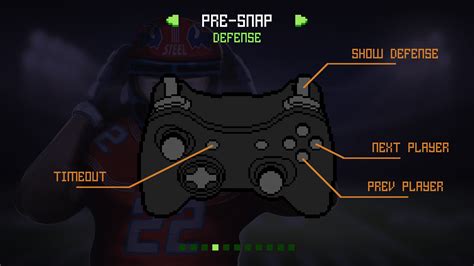
Practical examples help contextualize information. Instead of just stating “press X to jump,” show an image of the controller with X highlighted and a character jumping over a gap. This visual reinforcement solidifies understanding.

Minimizing Jargon and Maximizing Clarity
Every game has its unique terminology. When introducing game-specific terms, always define them clearly and concisely the first time they appear. Better yet, try to use more universally understood language where possible. If a guide must use jargon, include a glossary or tooltips that explain terms when hovered over.
The goal is clarity. Sentences should be short, direct, and unambiguous. Avoid complex sentence structures or overly technical language that might confuse a newcomer.
Empowering Player Agency and Exploration
While guides are necessary, new players also need room to experiment and explore. Design guides that provide enough information to get started but then encourage players to try things out themselves in a safe environment. This could involve an early-game area where mistakes have minimal consequences, or optional side quests that introduce mechanics at their own pace.
Providing a sense of agency — allowing players to feel like they are discovering things for themselves, rather than being spoon-fed every detail — can greatly enhance their enjoyment and reduce the feeling of being overwhelmed.

Conclusion
A well-designed beginner game guide is not just a tutorial; it’s a welcoming hand that ushers new players into a rich and engaging experience. By breaking down complexity, pacing information delivery, leveraging visuals, clarifying jargon, and fostering a sense of discovery, guides can transform the daunting initial hours into an enjoyable foundation for long-term player engagement. Investing in quality beginner guides is investing in your game’s future and its community.