




How do you simplify complex game mechanics in beginner guides?

The Art of Demystifying Game Mechanics for New Players
Entering a new game, especially one with deep, intricate systems, can feel like stepping into a foreign land. For many beginners, complex mechanics act as a formidable barrier, leading to frustration and early abandonment. Crafting effective beginner guides isn’t just about listing controls; it’s about translating the game’s inherent complexity into digestible, actionable knowledge. This article explores strategies to simplify even the most daunting game mechanics, ensuring new players feel empowered rather than overwhelmed.
1. Know Your Audience: The True Novice
Before you even begin writing, put yourself in the shoes of someone who knows absolutely nothing about the game, or even the genre. Avoid jargon, acronyms, and assumed knowledge. If the game uses terms like “DPS rotation,” “aggro management,” or “resource generation,” explain them from first principles. Assume your reader doesn’t understand common gaming conventions. This foundational empathy is key to creating truly accessible guides.
2. Break It Down: Micro-Explanations
Complex mechanics are often just several simpler mechanics interwoven. The most effective way to simplify is to dissect these larger systems into their smallest, most manageable components. Explain each component in isolation first, then gradually show how they connect. For example, instead of explaining a full “crafting system,” start with “gathering resources,” then “basic recipes,” then “advanced schematics,” and finally “crafting stations” and their specific functions.
3. Use Analogies and Real-World Examples
Our brains understand new information best when it can be mapped to something familiar. Analogies are powerful tools for this. Is a character’s “stamina” like your phone’s battery life? Is a “faction reputation” system similar to building trust with people in real life? Connect the abstract game mechanic to concrete, everyday experiences. This helps bridge the gap between game logic and intuitive understanding.

4. Visual Aids and Practical Demonstrations
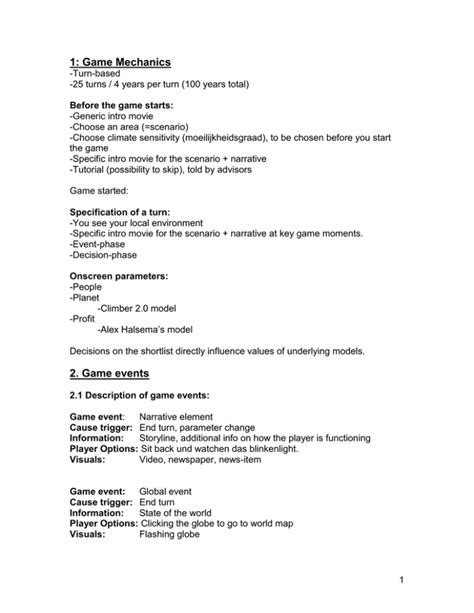
A picture, or better yet, a short video clip, is often worth a thousand words. Screenshots with annotations, flowcharts, infographics, and short GIFs or video demonstrations can clarify mechanics that are difficult to describe textually. Show, don’t just tell. When explaining a combat combo, for instance, a sequence of images or a GIF of the button presses and resulting actions is far more effective than a paragraph of text.
- Annotated Screenshots: Highlight key UI elements.
- Flowcharts: Illustrate decision trees or system progressions.
- Short Videos/GIFs: Demonstrate timing-based actions or complex sequences.

5. Progressive Disclosure and Layering Information
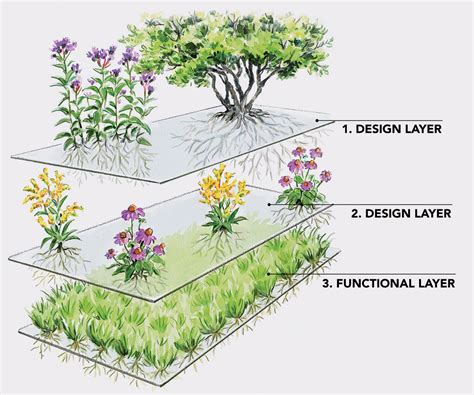
Don’t dump all information at once. Introduce core concepts first, then build upon them. Think of it like a tutorial in the game itself: start with movement, then basic attacks, then special abilities, then advanced tactics. In a guide, this means starting with the absolute essentials required to play, then dedicating separate sections or advanced tips to deeper layers of complexity. Use clear headings and subheadings to guide the reader through these layers.
6. Focus on the “Why” Before the “How”
Simply explaining “how” to perform an action is often insufficient. New players need to understand “why” that action is important, what purpose it serves, and what impact it has. Why should I use this specific spell? Because it deals Area of Effect (AoE) damage, which is crucial for clearing groups of enemies quickly. Understanding the purpose behind a mechanic gives it context and makes it more memorable and relevant.
7. Test and Iterate
The best way to know if your simplification efforts are successful is to test them with actual beginners. Have someone who has never played the game, or even the genre, read your guide and try to apply its principles. Observe where they struggle, what questions they ask, and what explanations remain unclear. Use this feedback to refine and improve your guide. Simplification is an iterative process, not a one-time fix.

Conclusion
Simplifying complex game mechanics in beginner guides is a vital service to the gaming community. It lowers the barrier to entry, fosters engagement, and helps new players discover the joy of deep gameplay without the initial frustration. By understanding your audience, breaking down systems, using relatable analogies, embracing visual aids, and progressively layering information, you can transform daunting mechanics into understandable and enjoyable challenges for every new adventurer.