



How to spot pay-to-win mechanics in new free mobile games before investing time?

Navigating the Free-to-Play Landscape
Free-to-play (F2P) mobile games offer instant gratification, promising endless entertainment without an upfront cost. However, beneath the surface of many ‘free’ titles lurks a dark secret: pay-to-win (P2W) mechanics that can quickly turn an enjoyable experience into a frustrating, wallet-draining grind. For discerning players, spotting these predatory systems before investing precious time is crucial. This guide will equip you with the knowledge to identify common P2W tactics and make informed decisions about your mobile gaming choices.
A game is considered ‘pay-to-win’ when real-money purchases offer a significant and often insurmountable advantage over players who choose not to spend. This isn’t just about cosmetic items or minor conveniences; it’s about paying for progression, power, or exclusive content that directly impacts core gameplay, especially in competitive environments.
Key Indicators of Pay-to-Win Mechanics
Understanding the subtle and not-so-subtle ways games push players to spend is your first line of defense. Here are the most common P2W mechanics to watch out for:
Energy or Stamina Systems
Many F2P games implement energy or stamina systems that limit how much you can play consecutively. Once your energy runs out, you either wait for it to regenerate over time (which can take hours) or pay real money to instantly refill it. If progress feels heavily gated by this system, it’s a strong P2W signal.
Premium Currency Advantages
Games often feature two types of currency: one earned through gameplay and a ‘premium’ currency bought with real money. Watch if this premium currency can be used to buy powerful items, skip timers, instantly upgrade structures, or unlock characters that are vastly superior to those available through free play. If buying premium currency gives you a direct, measurable power boost that free players can’t achieve, that’s P2W.

Gacha, Loot Boxes, and Random Chance
Gacha mechanics (like those in Japanese capsule toy machines) and loot boxes involve spending premium currency (or real money) for a chance to win rare items, characters, or upgrades. The odds are often low, encouraging repeated purchases. If the most powerful or essential in-game elements are primarily locked behind these randomized, paid systems, it’s a classic P2W model.
Time Gates and Resource Scarcity
Does it take an absurdly long time to upgrade a building, craft an item, or recruit a new unit? Are essential resources so scarce that progress grinds to a halt without purchasing resource packs or boosters? These ‘time gates’ and artificial scarcities are designed to frustrate players into paying to speed things up or get what they need immediately.

VIP Systems and Exclusive Content
Some games feature a VIP system where spending real money grants you VIP levels, unlocking exclusive daily rewards, bonuses, and sometimes even unique, powerful content or characters. The higher your VIP level, the better the perks, creating a clear advantage for spenders. Similarly, if the best equipment, units, or abilities are only accessible via real-money bundles or subscriptions, that’s a P2W hallmark.

Your Pre-Commitment Checklist
Before diving deep into a new free mobile game, take a few minutes for reconnaissance:
- Read Reviews: Check app store reviews, especially recent ones. Look for keywords like “P2W,” “greedy,” “money pit,” “paywall,” or “can’t progress without paying.”
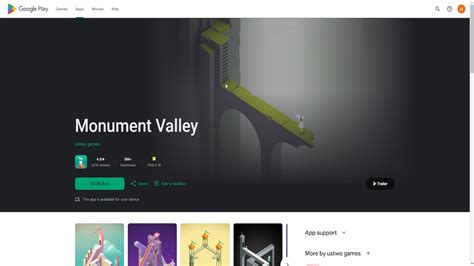
- Check Store Descriptions: Look for mentions of “in-app purchases,” and specifically examine what those purchases offer. Does the description heavily push bundles or premium currency?
- Early Gameplay Indicators: Pay attention during the tutorial and early stages. Are you immediately prompted to buy something to speed up basic actions? Do you quickly hit a wall where progress slows dramatically unless you spend?
- Forums and Communities: Search for discussions about the game on Reddit, YouTube, or dedicated game forums. Players are often vocal about P2W aspects.
By being vigilant and understanding these common mechanics, you can better protect your valuable time and ensure your mobile gaming experience remains genuinely fun and fair.

Conclusion: Empowering Your Gaming Choices
While monetization is a necessary part of game development, ethical F2P games offer fair value and don’t penalize non-spending players. By recognizing the red flags of pay-to-win mechanics, you empower yourself to choose games that respect your time and provide a truly enjoyable experience, free from coercive spending pressures. Play smart, not wallet-empty!